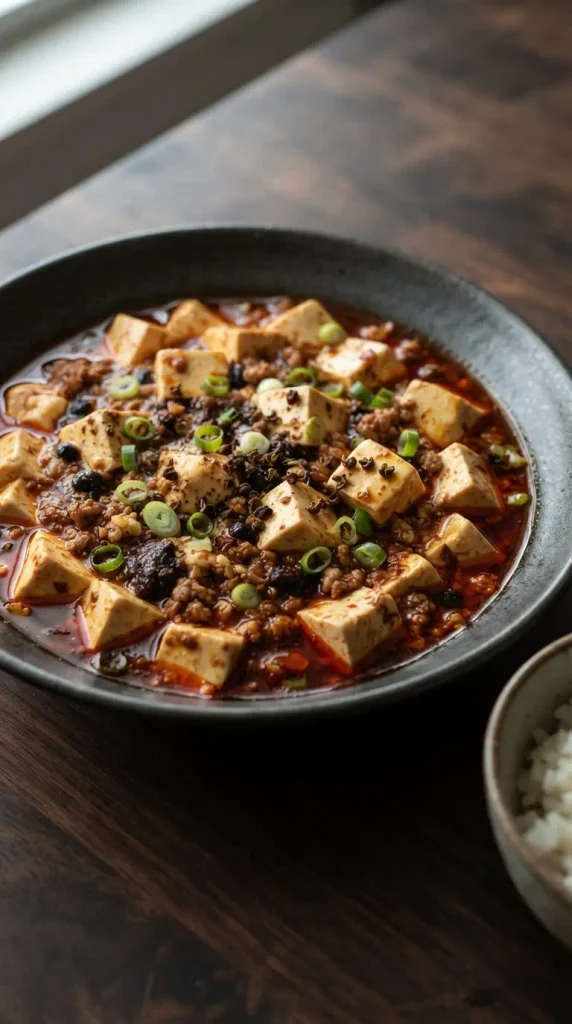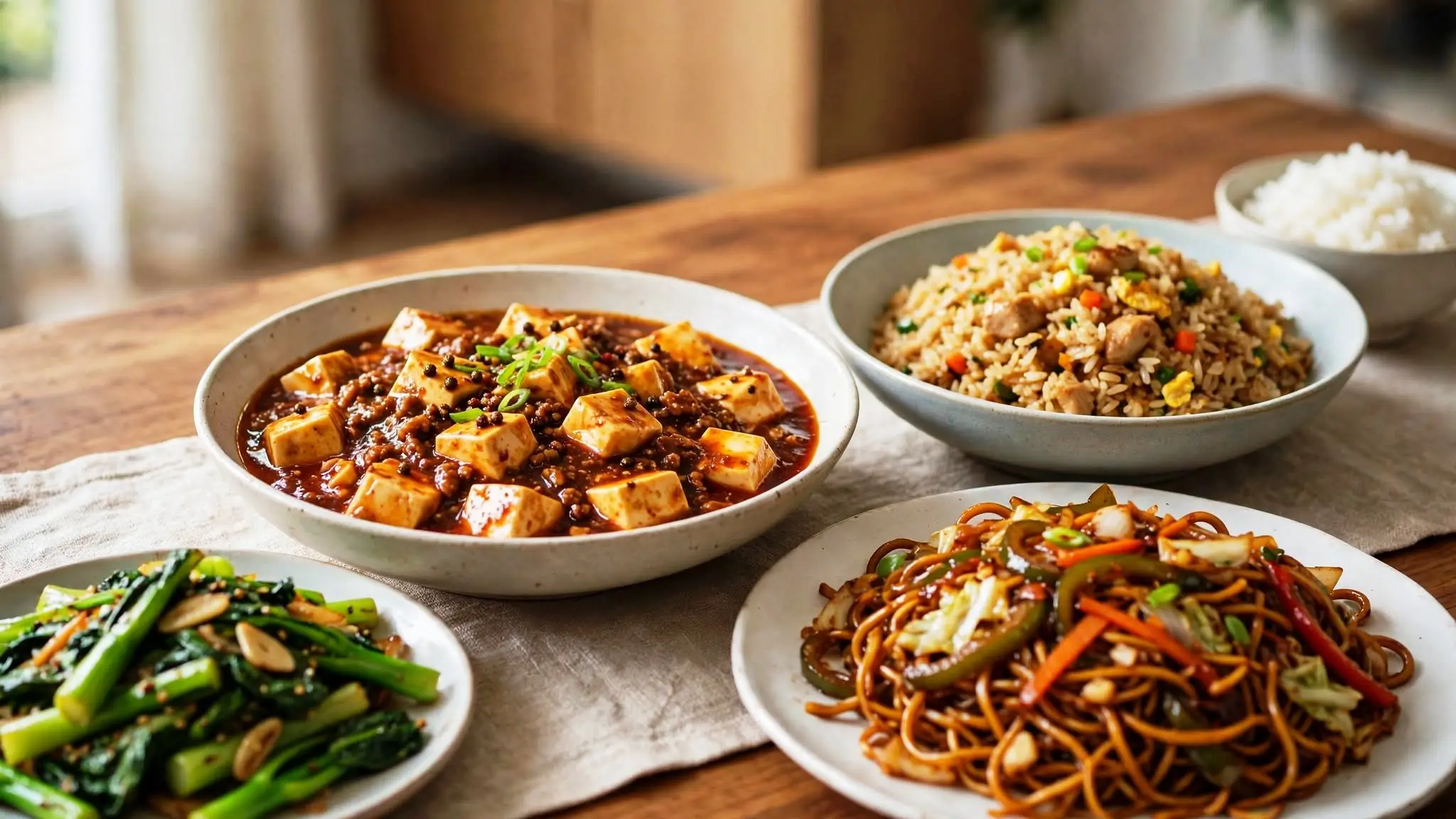
Chinese dinner recipes include far more than the familiar stir-fry served with rice.
This collection brings together high-heat stir-fries cooked in a wok, a wide pan with high, sloping sides, noodle dishes, fried rice, steamed fish, braised pork, soups, and vegetarian meals from different Chinese cooking traditions.
The dishes vary in their ingredients, cooking methods, textures, and seasoning. Some feature fresh ginger and scallions; others rely on fermented bean pastes, dried chiles, Sichuan peppercorn, or slow braising.
There are mild, aromatic meals alongside more strongly seasoned options, with choices built around meat, seafood, tofu, eggs, rice, or noodles.
Each recipe identifies its defining ingredients and preparation, with practical serving suggestions to help you plan dinner.
These Chinese dinner recipes offer a range of dishes to explore at home, whether you need a straightforward weeknight meal or want to try a less familiar regional specialty.
Choosing the Right Chinese Dinner Recipe
Start with the ingredients available and the type of meal you want.
Beef and broccoli and Kung Pao chicken use quick, high-heat stir-frying; Yangzhou-style fried rice is useful when cooked rice is already available.
For noodles, consider Beijing-style Zha Jiang Mian or Cantonese wonton noodle soup.
Cantonese steamed fish features mild ginger and scallion seasoning, and tomato and egg stir-fry provides a simple meat-free meal.
Mapo tofu and fish-fragrant eggplant have stronger Sichuan seasoning, including chile and fermented bean paste.
Char siu, Hong Shao Rou, and Lion’s Head meatballs involve roasting or longer braising, so they need more preparation than a quick stir-fry.
1. Kung Pao Chicken
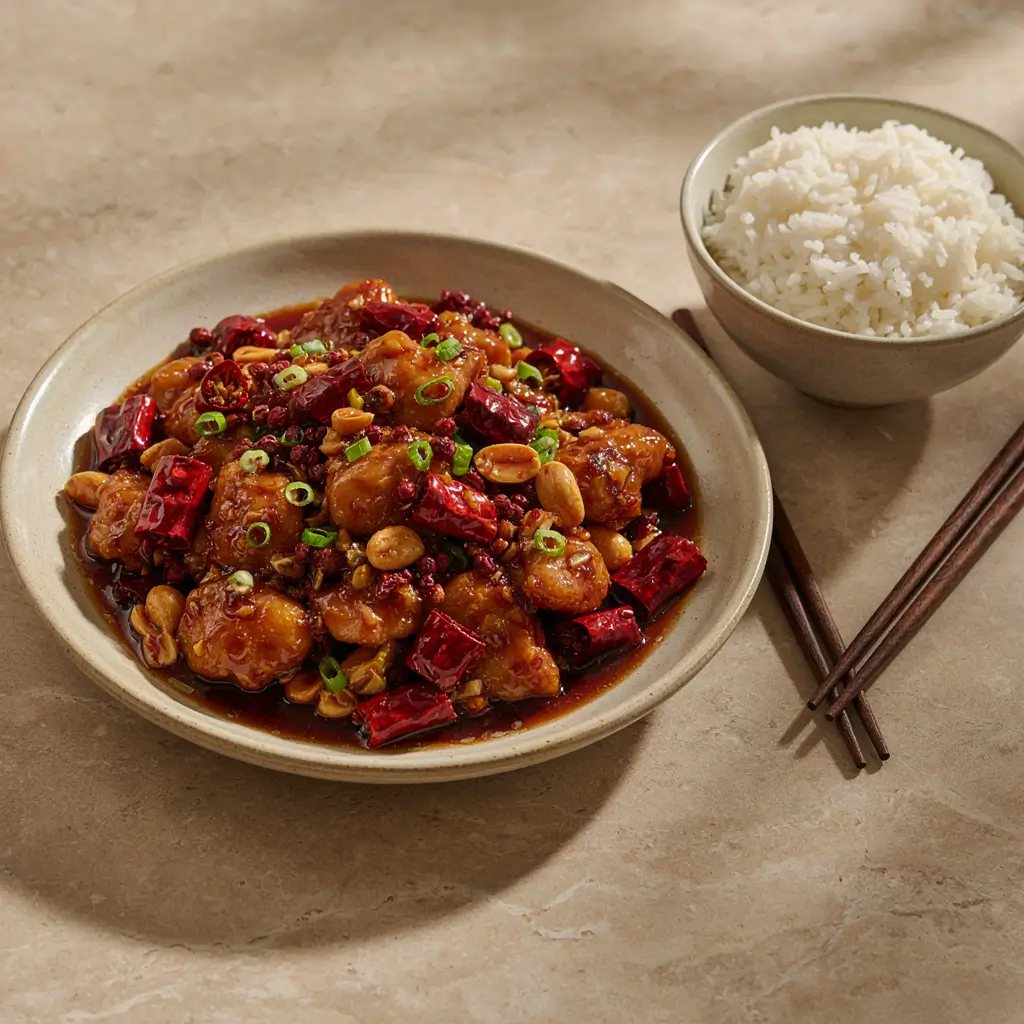
Diced chicken, dried red chiles, peanuts, scallions, ginger, and garlic define Sichuan-style Kung Pao chicken.
The sauce balances salty, sweet, and sour notes with chile heat; Sichuan peppercorn adds a light numbing sensation in versions that use it.
Quick wok cooking gives the chicken browned edges without drying small pieces.
Add the peanuts near the end to preserve their crunch, and prepare the other ingredients before heating the wok.
Serve with steamed rice. For milder heat, reduce the dried chiles and retain the ginger, garlic, and scallions.
2. Beef and Broccoli
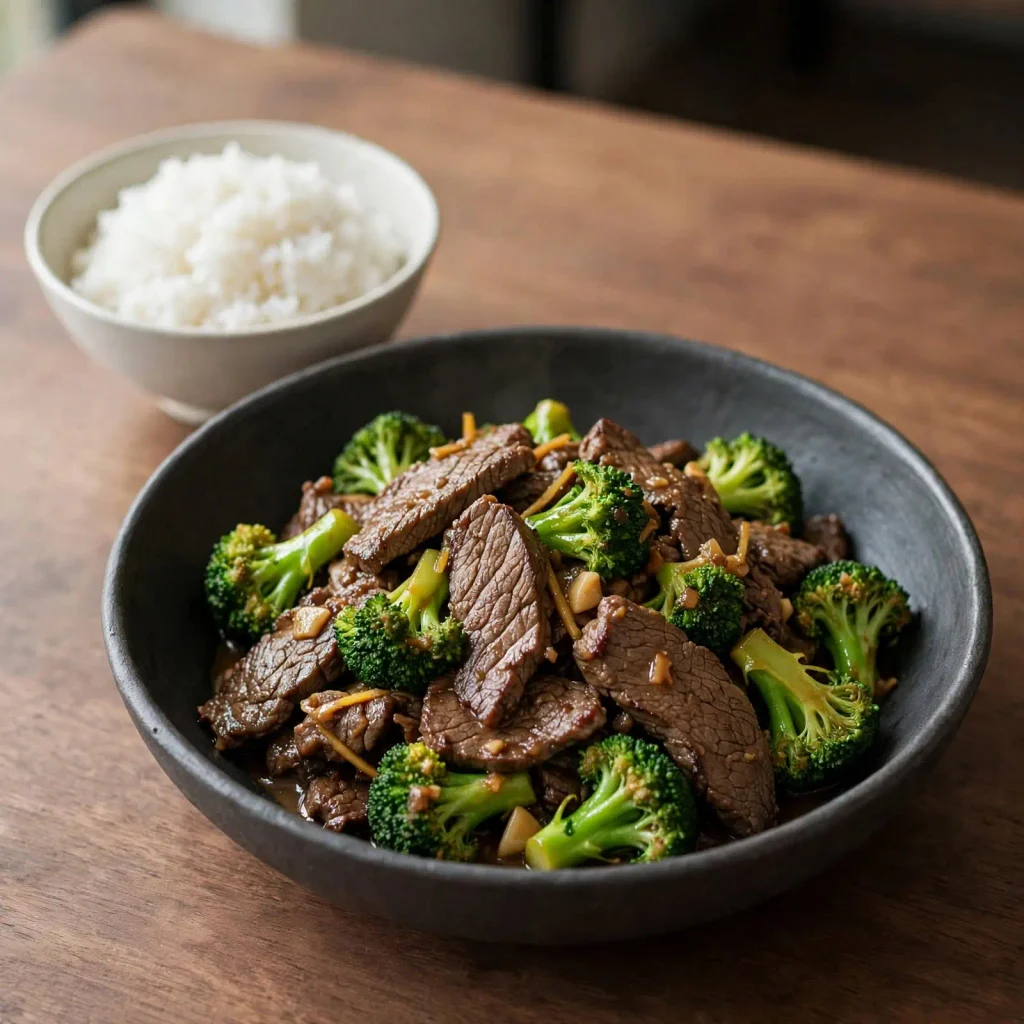
Beef and broccoli is a familiar Chinese-American restaurant dish built around thin slices of beef, broccoli florets, garlic, and a savory soy-based sauce, often including oyster sauce.
Its appeal depends on good browning and a glossy coating that clings to the ingredients.
Slice the beef across the grain and cook it in batches if the pan is crowded; excess moisture prevents proper browning.
Keep the broccoli firm-tender so it holds its shape. Serve over steamed rice for a straightforward dinner with meat and vegetables in one dish.
3. Vegetable Chow Mein
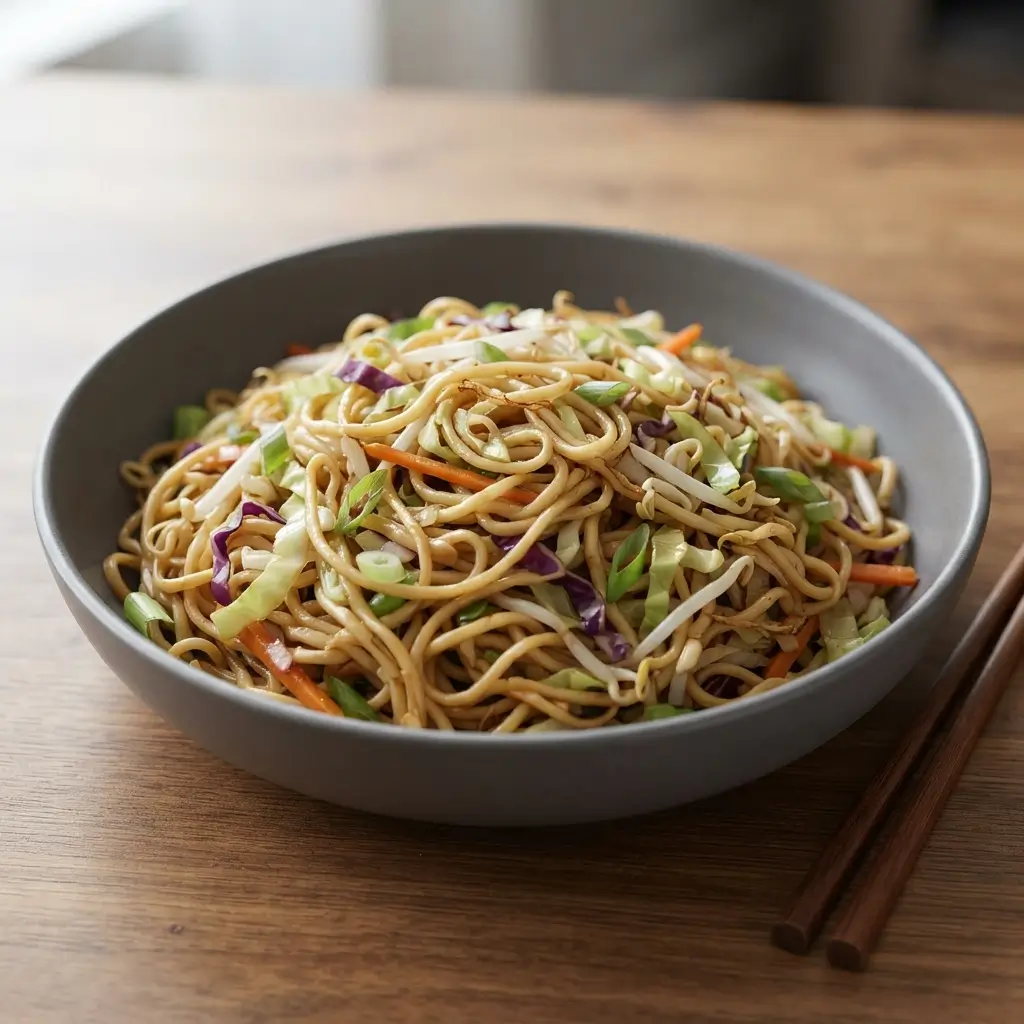
Vegetable chow mein puts the noodles at the center of dinner, making it a useful option when you want something more substantial than a vegetable side dish.
The noodles are tossed with vegetables and a savory seasoning so that each strand picks up flavor without becoming heavily coated.
Cabbage, carrots, scallions, and bean sprouts can provide contrasting textures, although the vegetable combination can be adapted to what is available.
A hot wok or wide skillet helps keep the vegetables lively and prevents the noodles from turning soft and crowded.
4. Mapo Tofu
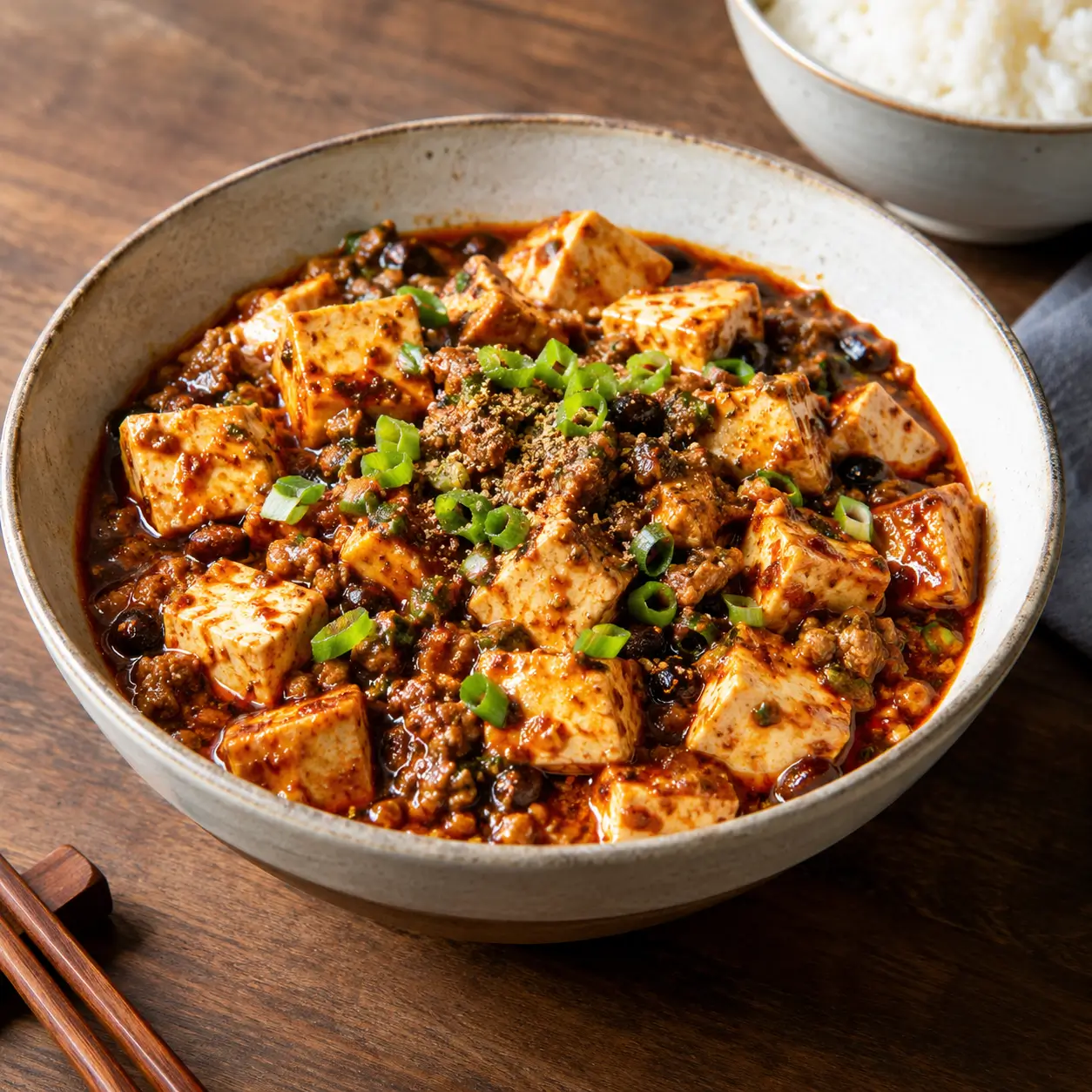
Mapo tofu is a Sichuan dish made with soft tofu, ground pork or beef, and doubanjiang, a fermented broad-bean and chile paste.
Garlic, ginger, and Sichuan peppercorn build its savory, spicy, numbing profile. The tofu simmers in the seasoned sauce and should remain intact and soft, with minced meat distributed throughout.
Plain steamed rice balances the concentrated seasoning. For a meat-free version, use mushrooms or another plant protein and check that the bean paste suits the intended diet.
The finished texture and flavor will differ from a version made with ground meat.
5. Cantonese-Style Steamed Fish With Ginger and Scallions
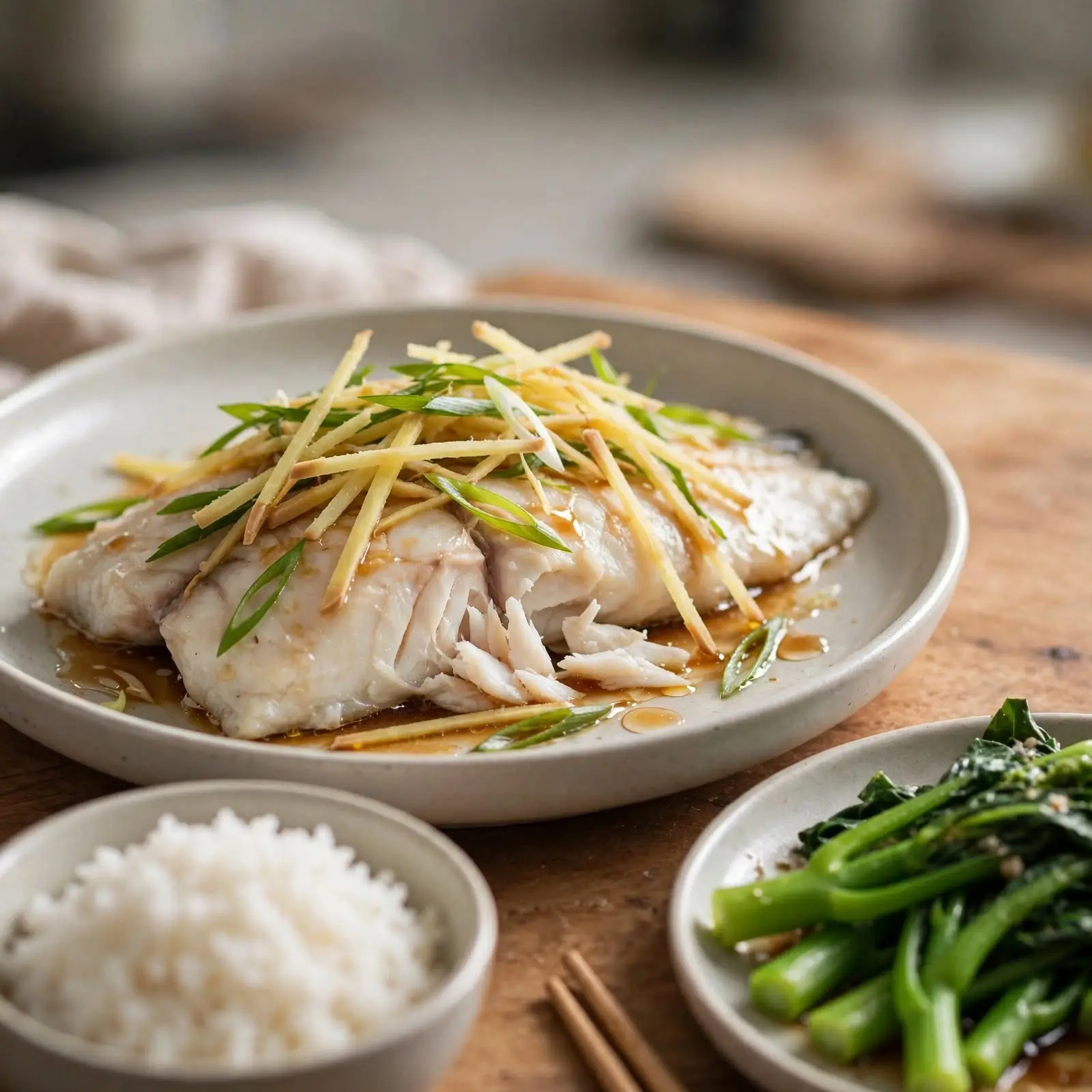
Cantonese-style steamed fish uses a whole small fish or fillets, fresh ginger, scallions, and light soy seasoning. The fish is steamed until just cooked, then topped with ginger and scallions.
Some preparations finish the aromatics with hot oil to release their fragrance. Delicate white fish suits the gentle cooking method, and careful steaming helps preserve its moist texture.
The seasoning remains light, allowing the fish to retain its own flavor. Serve immediately with steamed rice, spooning the ginger-scallion seasoning over both the fish and rice.
6. Beef Fried Rice
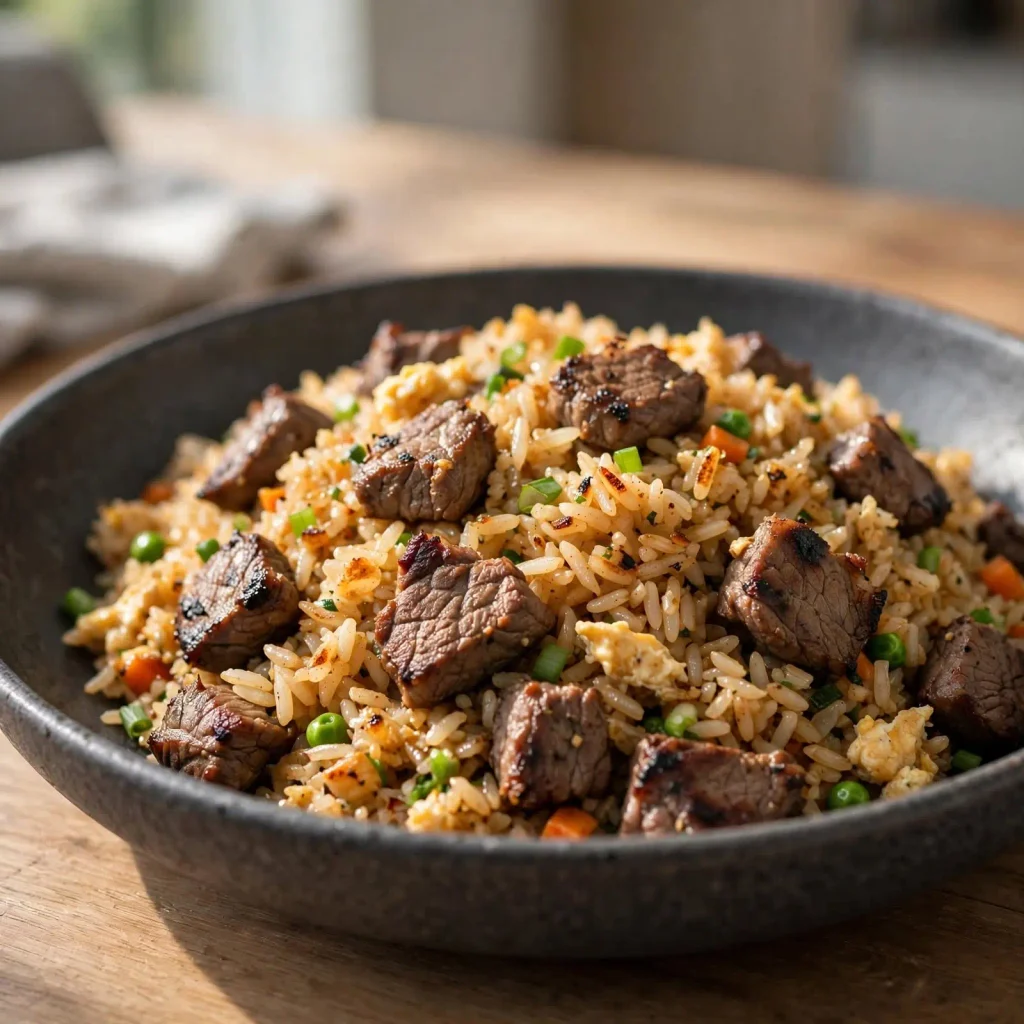
Beef fried rice turns cooked rice into a complete dinner with browned beef, vegetables, aromatics, and savory seasoning.
It is particularly useful when you have leftover cooked rice that has had time to firm up, since drier grains are easier to separate during high-heat cooking.
Small pieces of beef can brown quickly before being combined with the rice and other ingredients.
Eggs can add richness and additional texture, although the dish does not need to be overloaded with components.
The goal is distinct grains of rice with enough seasoning to tie the beef and vegetables together.
7. Sweet-and-Sour Pork
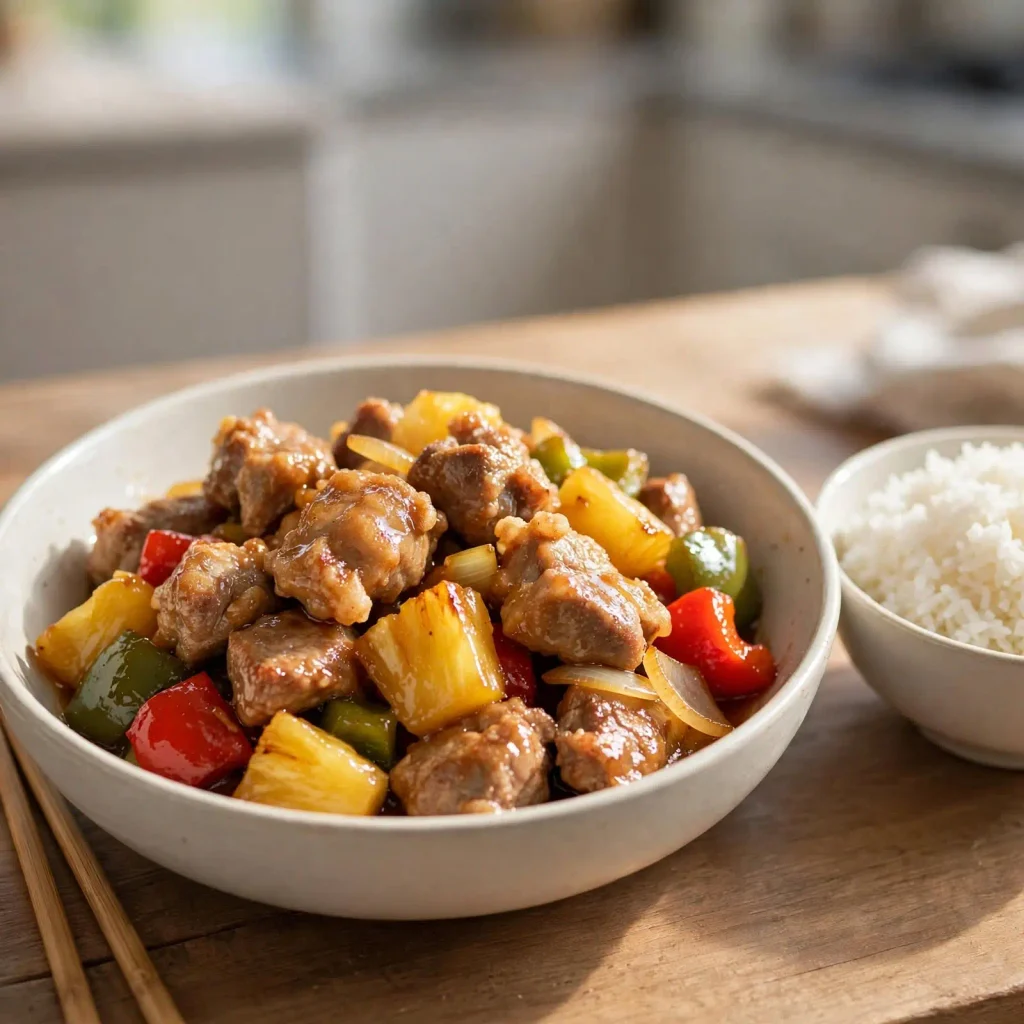
Sweet-and-sour pork provides a pronounced contrast between tangy acidity and sweetness, with crisp pork adding another layer of texture.
The sauce is what distinguishes this dish from the many savory stir-fries in a Chinese dinner collection.
Pineapple and bell pepper are common companions in Chinese-American versions, contributing acidity, sweetness, and color.
Rice helps temper the stronger sauce and makes the dish more substantial. For a less heavy approach, the pork can be prepared with a lighter coating rather than relying on an especially thick crust.
8. Garlic Eggplant
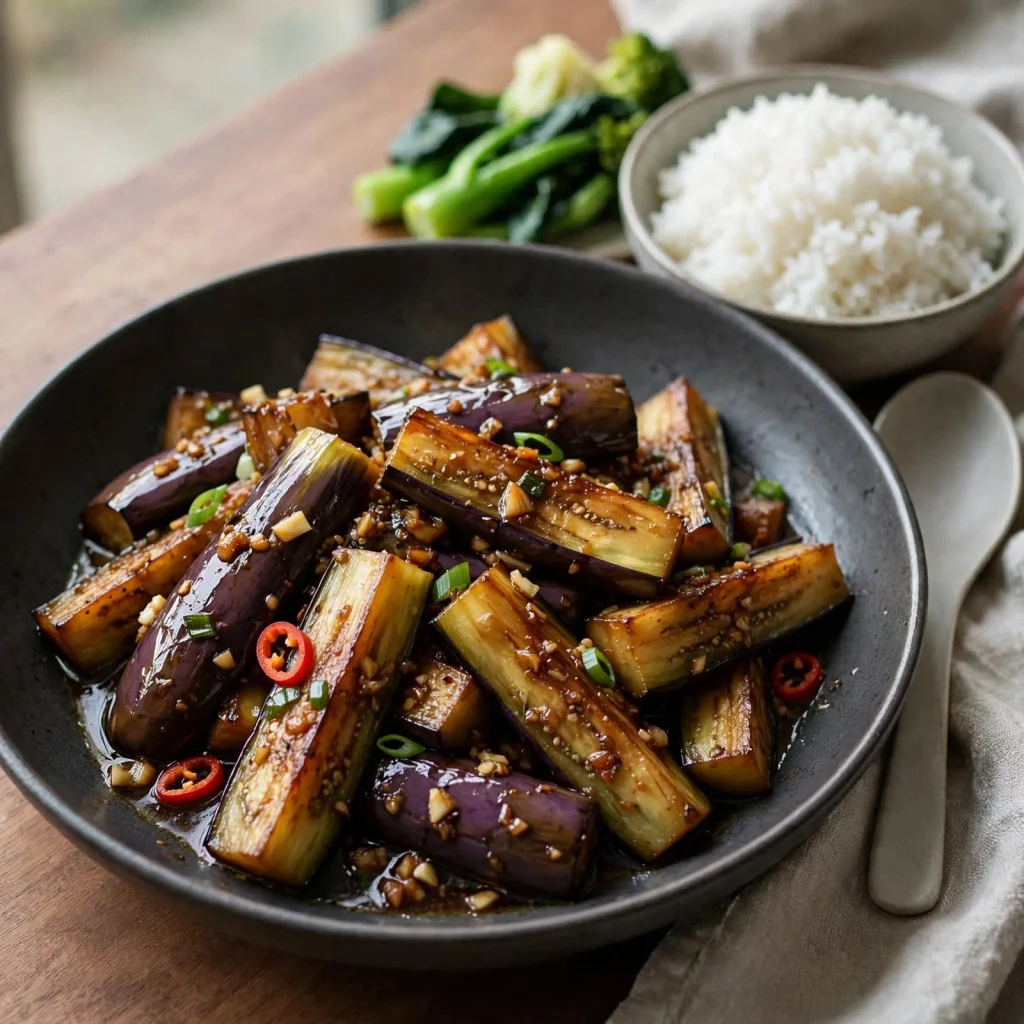
Chinese garlic eggplant is a meat-free dish featuring eggplant cooked in a garlic-forward sauce, commonly seasoned with soy sauce, ginger, and scallions.
The eggplant is fried, roasted, or pan-seared until tender, then finished in a sauce of garlic, ginger, scallions, soy sauce, a little vinegar, and sugar.
Some versions include chile for additional heat. The sauce should coat the softened eggplant without leaving the pieces watery or collapsed. Serve over steamed rice for a simple vegetarian dinner.
9. Black Pepper Beef
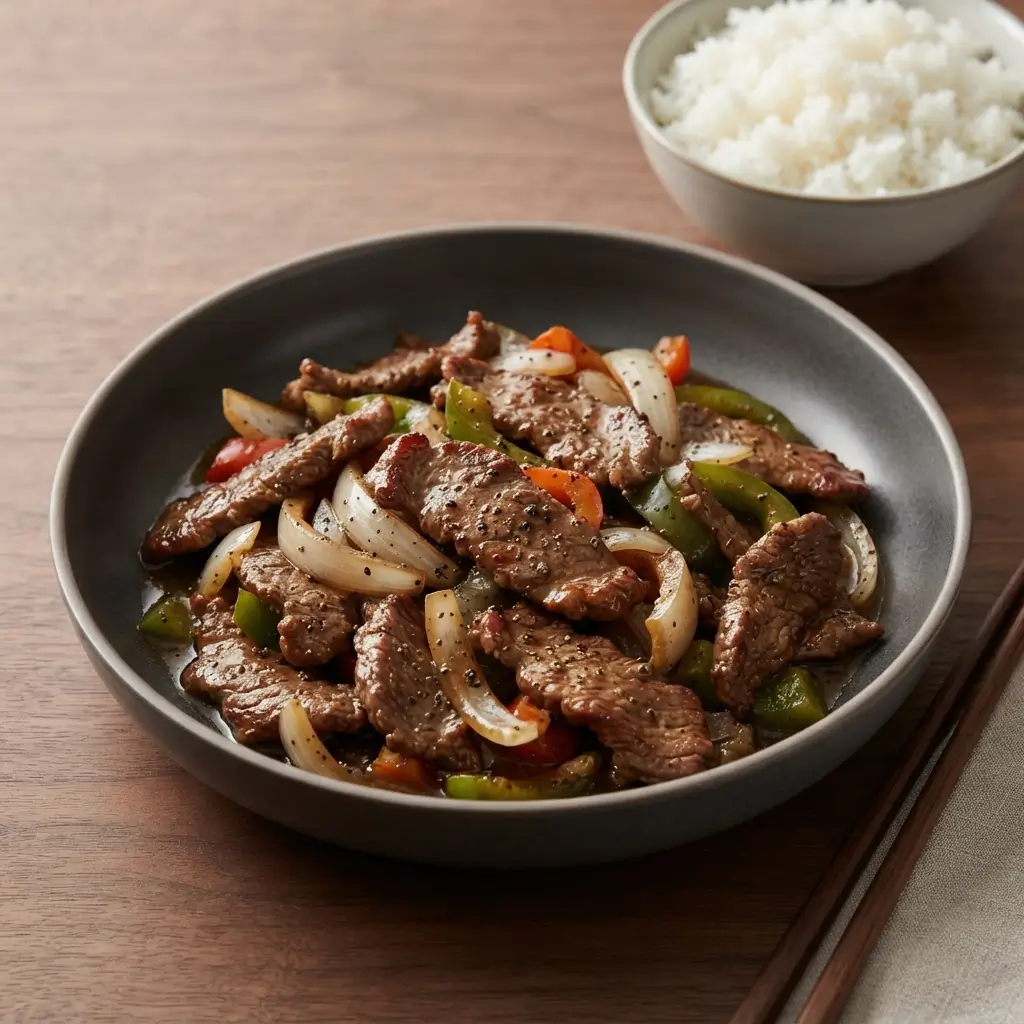
Black pepper beef has a darker, more assertive character than a lighter ginger-and-scallion stir-fry.
Thinly sliced beef is cooked over high heat so its edges can brown before being combined with onions or peppers and a savory black-pepper sauce.
Freshly ground black pepper gives the dish a sharper aroma and more noticeable heat than ordinary background seasoning.
Rice is the natural partner, although the beef can also be served over noodles. This is a particularly good choice when you want a beef dinner with bold seasoning but do not want a chile-heavy dish.
10. Vegetable Fried Rice
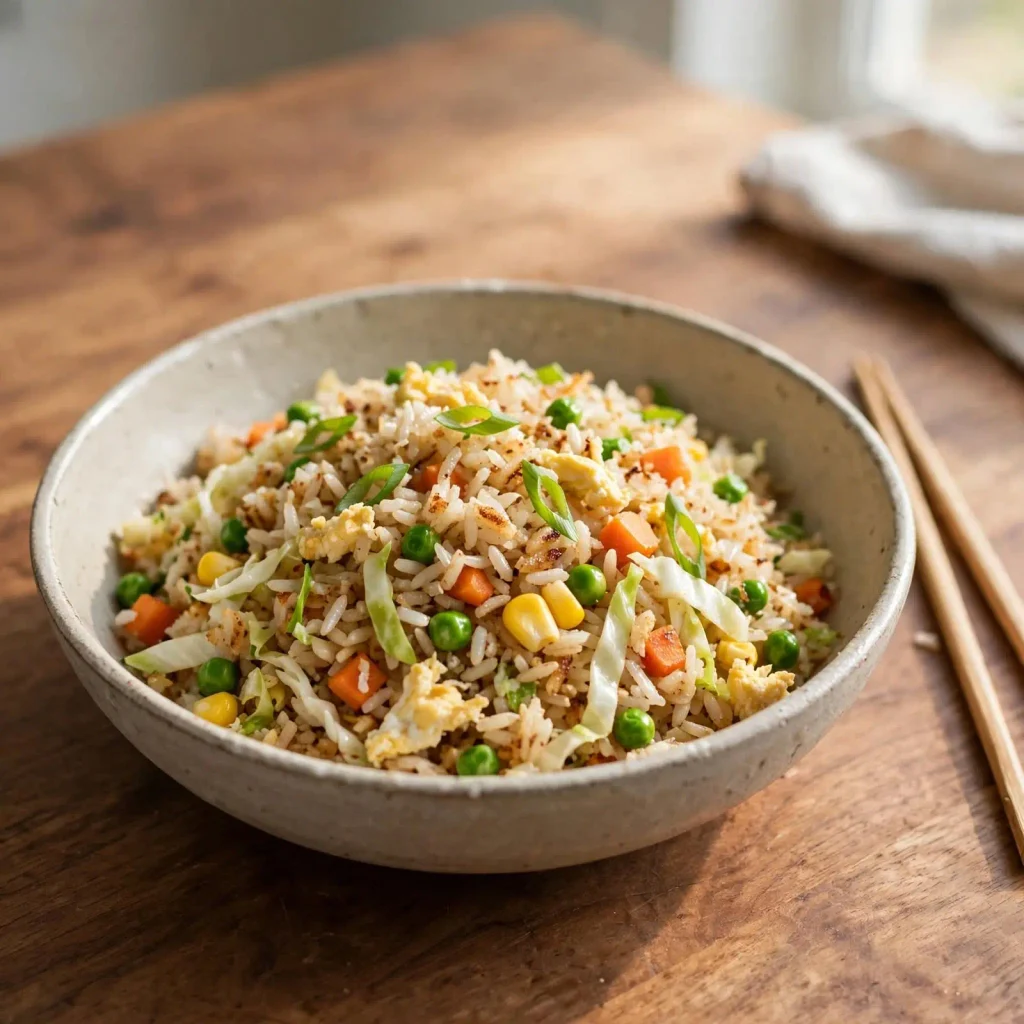
Vegetable fried rice is one of the most adaptable meatless dinners in the collection.
Cooked rice is quickly fried with vegetables and aromatics, allowing the grains to take on savory flavor while retaining their individual texture.
Carrots, peas, corn, scallions, and cabbage can all work, but the best version does not need a long list of vegetables.
Eggs can make it more substantial, or tofu can provide additional protein for a fully plant-based variation. It also makes practical use of leftover rice and can be adjusted easily to suit what is already in the refrigerator.
11. Char Siu-Style Pork
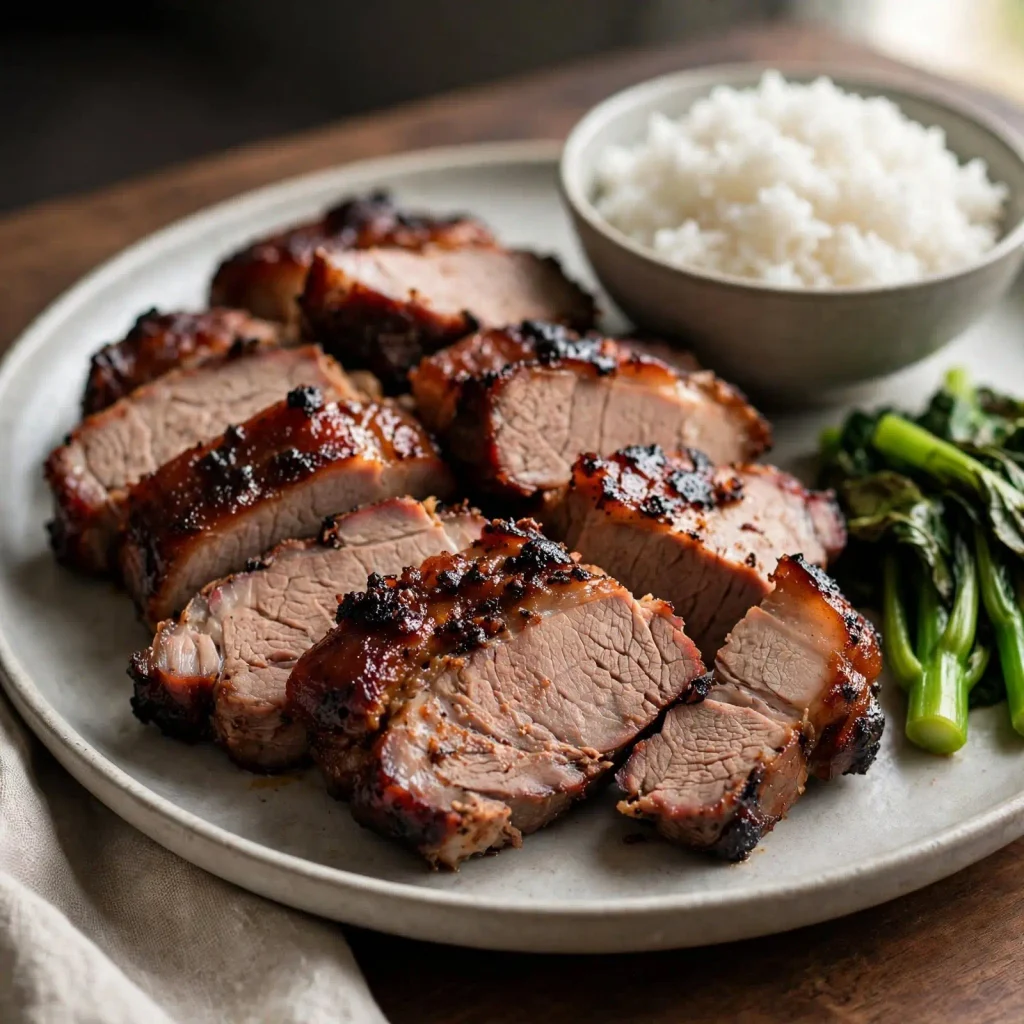
Char siu is roast pork coated in a sweet-savory marinade commonly made with hoisin sauce, soy sauce, garlic, five-spice, and honey or maltose.
Roasting browns the outside and reduces the glaze to a coating; pork shoulder has enough fat to help keep the meat moist.
Slice the finished pork across the grain for easier eating. Char siu can anchor a dinner with steamed rice and Chinese broccoli, also called gai lan.
Leftover slices are commonly added to fried rice or noodle dishes, giving this preparation several practical uses.
12. Shrimp with Garlic and Scallions
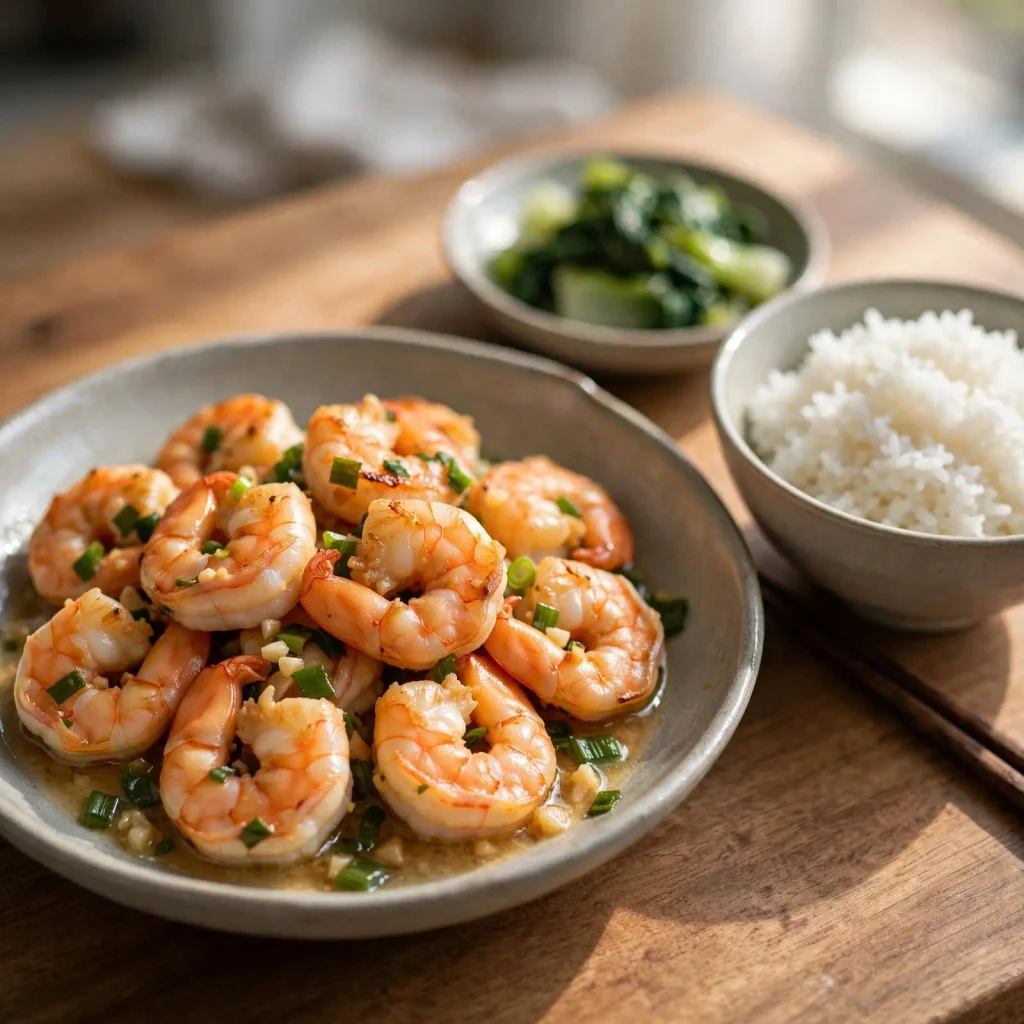
Shrimp cooks quickly, making it a practical seafood dinner when you want a meal that does not require prolonged preparation.
Garlic and scallions give the shrimp an aromatic foundation, while a light savory sauce keeps the seafood at the center of the dish. The shrimp should remain tender rather than becoming rubbery from overcooking.
Steamed rice is a simple pairing, and lightly cooked greens can complete the meal without competing with the seafood.
This is also a useful option when you want something lighter and fresher than a heavily coated or fried seafood dish.
13. Vegetable Lo Mein
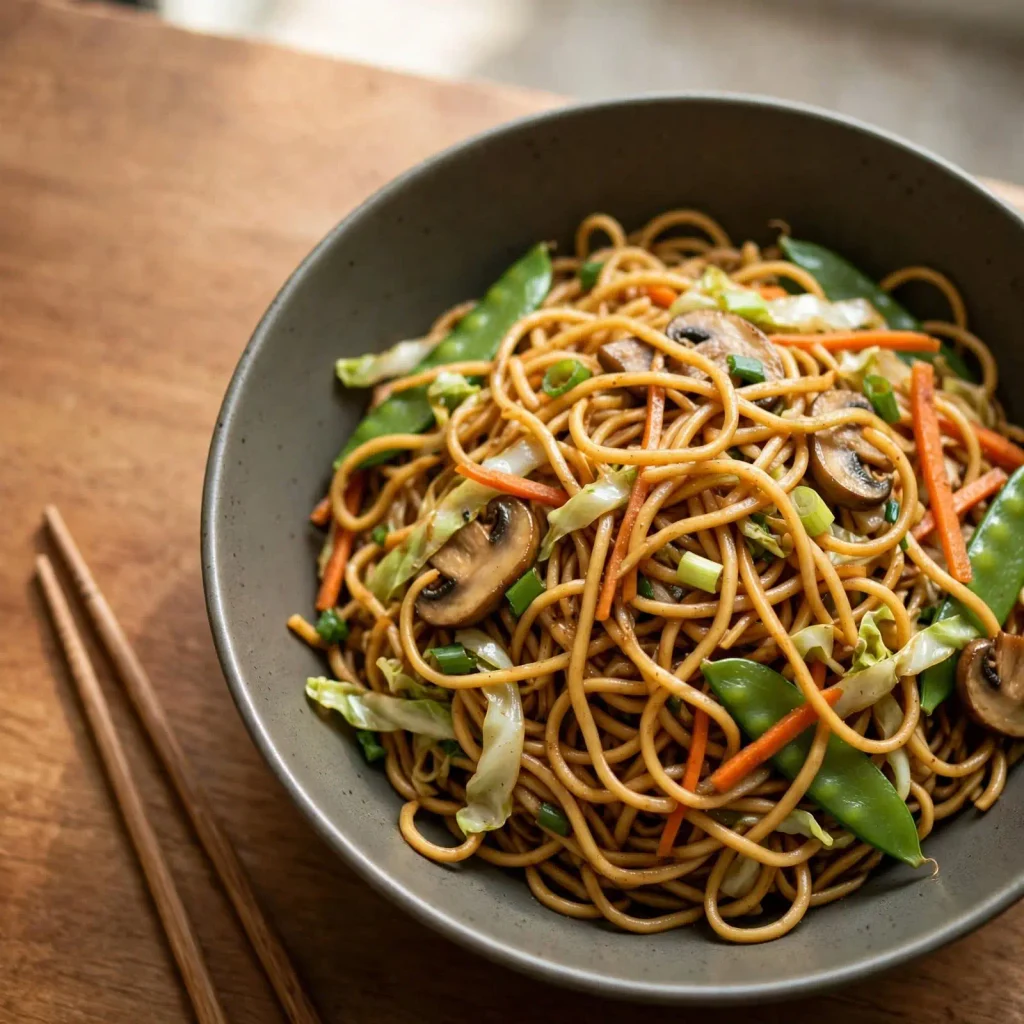
Vegetable lo mein is a noodle-centered dinner with a softer, more substantial texture than chow mein.
The cooked noodles are tossed with vegetables and savory seasoning, allowing the sauce to cling to the noodles while still leaving their texture apparent.
Mushrooms, cabbage, carrots, snow peas, and scallions can create useful variation without turning the dish into an overloaded vegetable medley.
It works particularly well as a flexible weeknight meal because the vegetables can be adapted to what is available. Tofu can also be added when more plant-based protein is wanted.
14. Twice-Cooked Pork
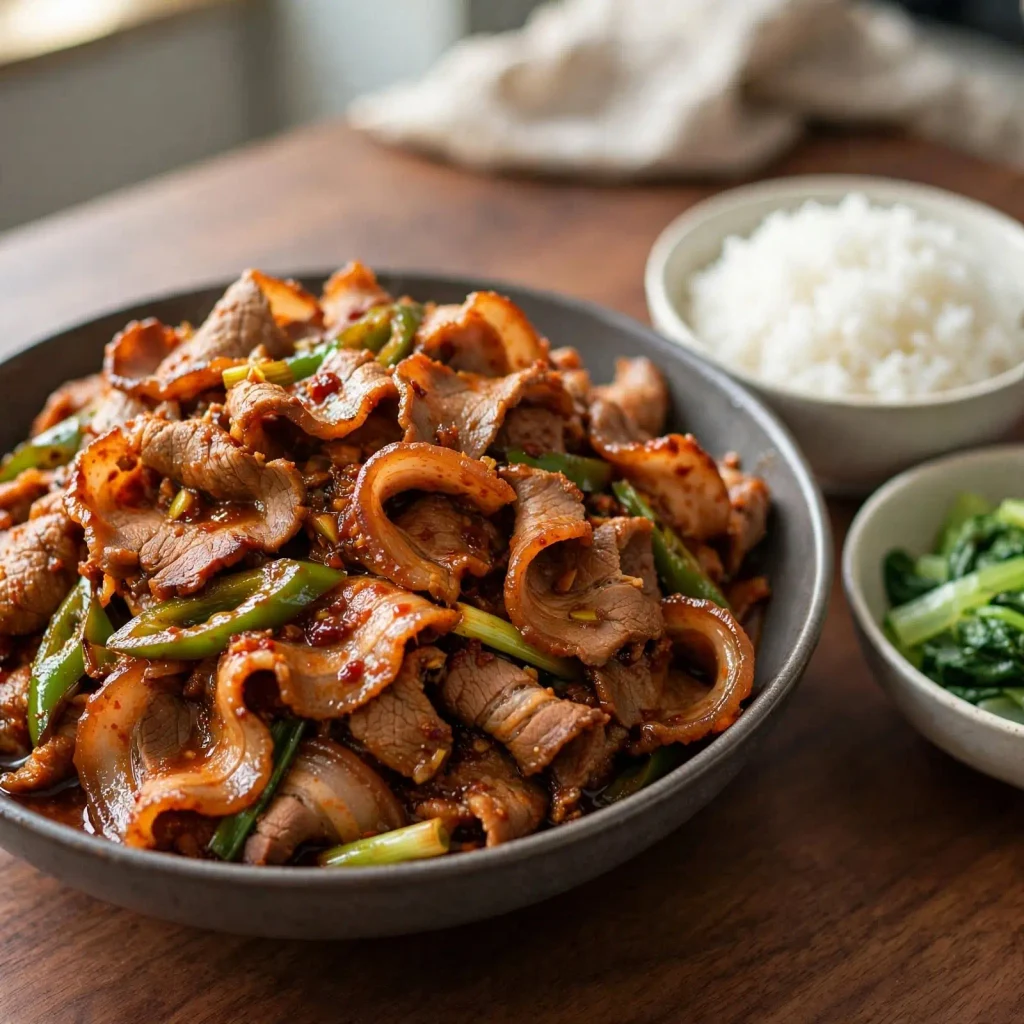
Pork belly is first simmered until tender, sliced thin, and then flash-stir-fried in a wok with garlic, fermented black beans, leeks, and spicy doubanjiang paste.
The second cooking step renders excess fat and allows the pork to curl and absorb the robust, savory seasonings.
This Sichuan favorite offers rich textures and complex umami depth, pairing best with a large bowl of plain white rice.
15. Cantonese White-Cut Chicken With Ginger-Scallion Sauce
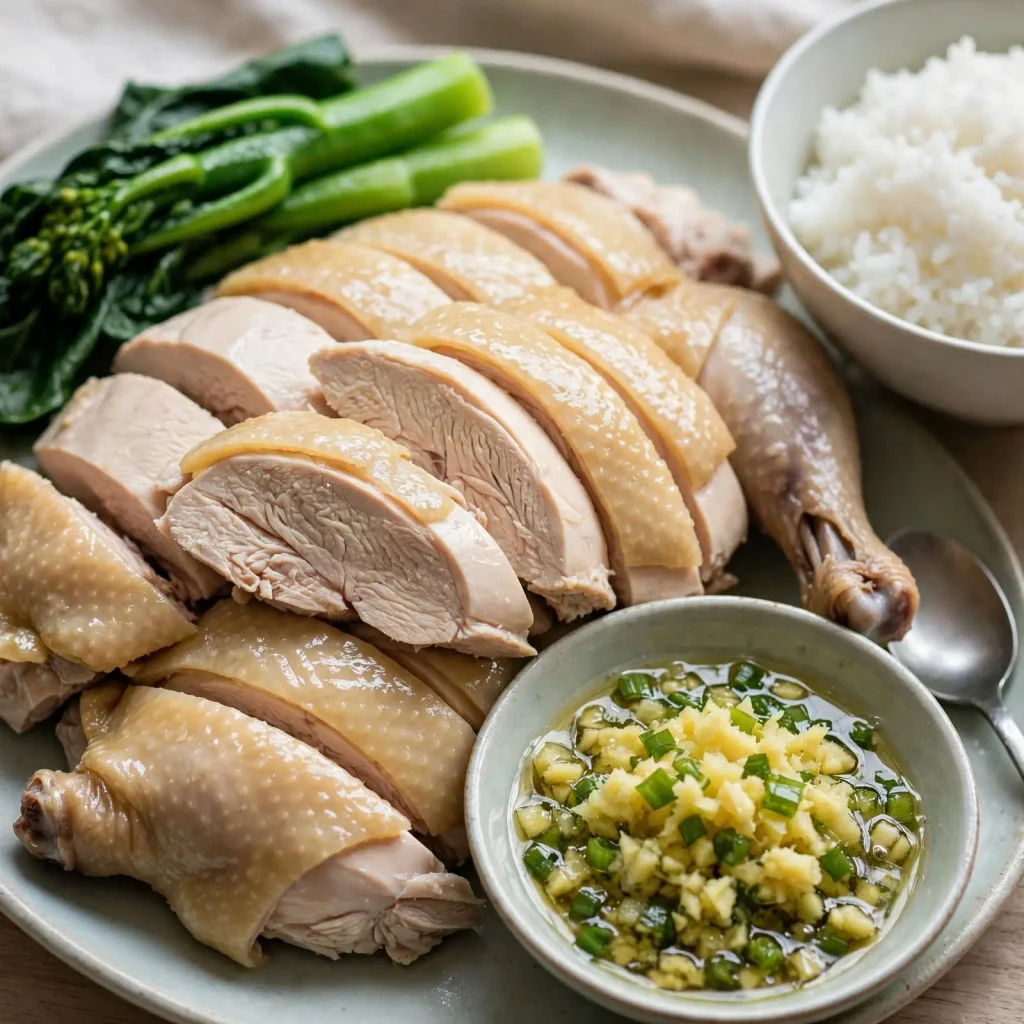
Cantonese white-cut chicken is gently poached with ginger and scallions, then chopped or sliced and served with a ginger-scallion dipping sauce.
The sauce combines finely minced ginger, scallions, salt, and hot oil; its fresh, savory sharpness supplies most of the seasoning for the mild chicken.
The meat should be cooked through yet moist, and the skin may retain a silky texture. Serve with rice and Chinese broccoli or another green vegetable.
A whole chicken is common in traditional preparations, but chicken pieces can make a smaller home dinner easier to manage.
16. Yangzhou-Style Fried Rice
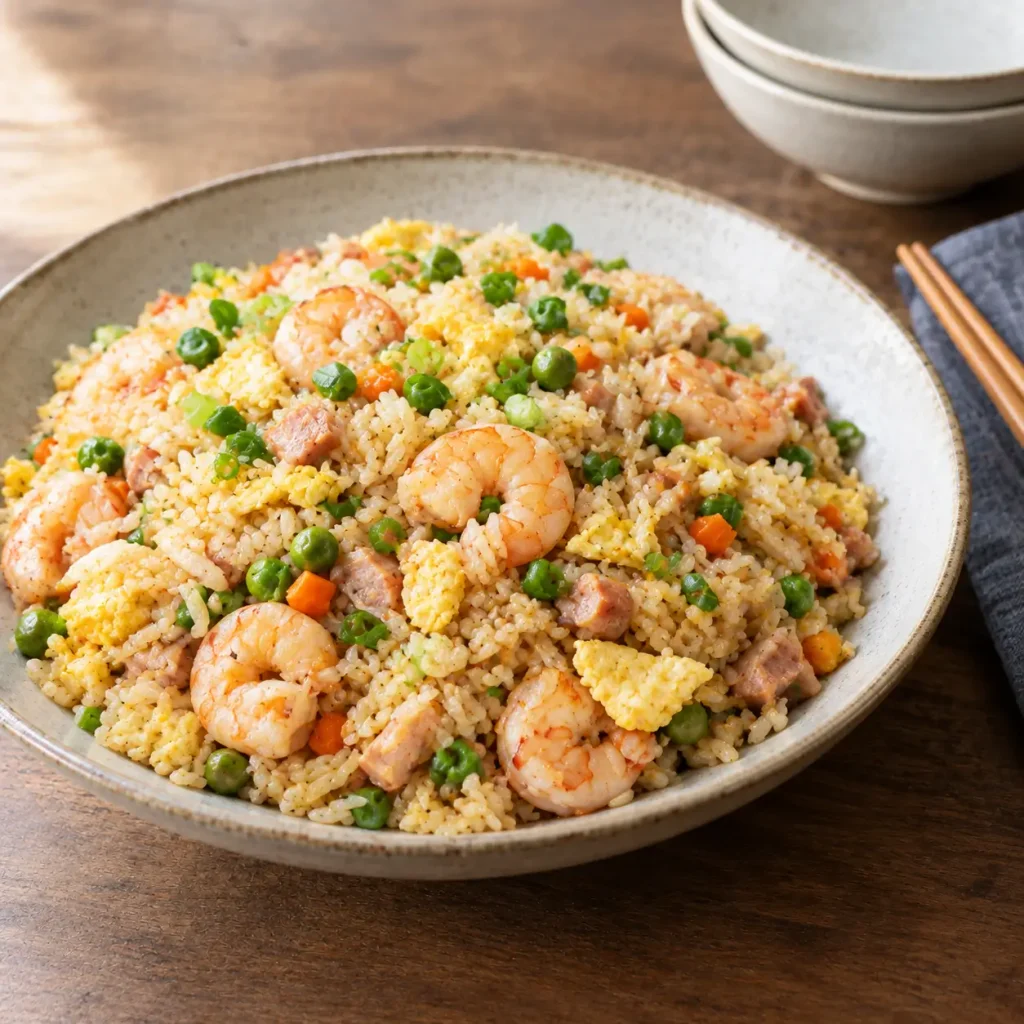
Yangzhou-style fried rice provides a more composed approach to fried rice, traditionally combining rice with several finely prepared ingredients rather than simply mixing rice with whatever vegetables happen to be available.
Depending on the preparation, these can include egg, shrimp, pork, and vegetables cut into small, distinct pieces.
The appeal is balance: the rice remains central while the additional ingredients contribute small bursts of flavor and texture.
It is substantial enough to serve on its own and works especially well when you want a rice-based dinner that feels more varied than a basic vegetable fried rice.
17. Tomato and Egg Stir-Fry
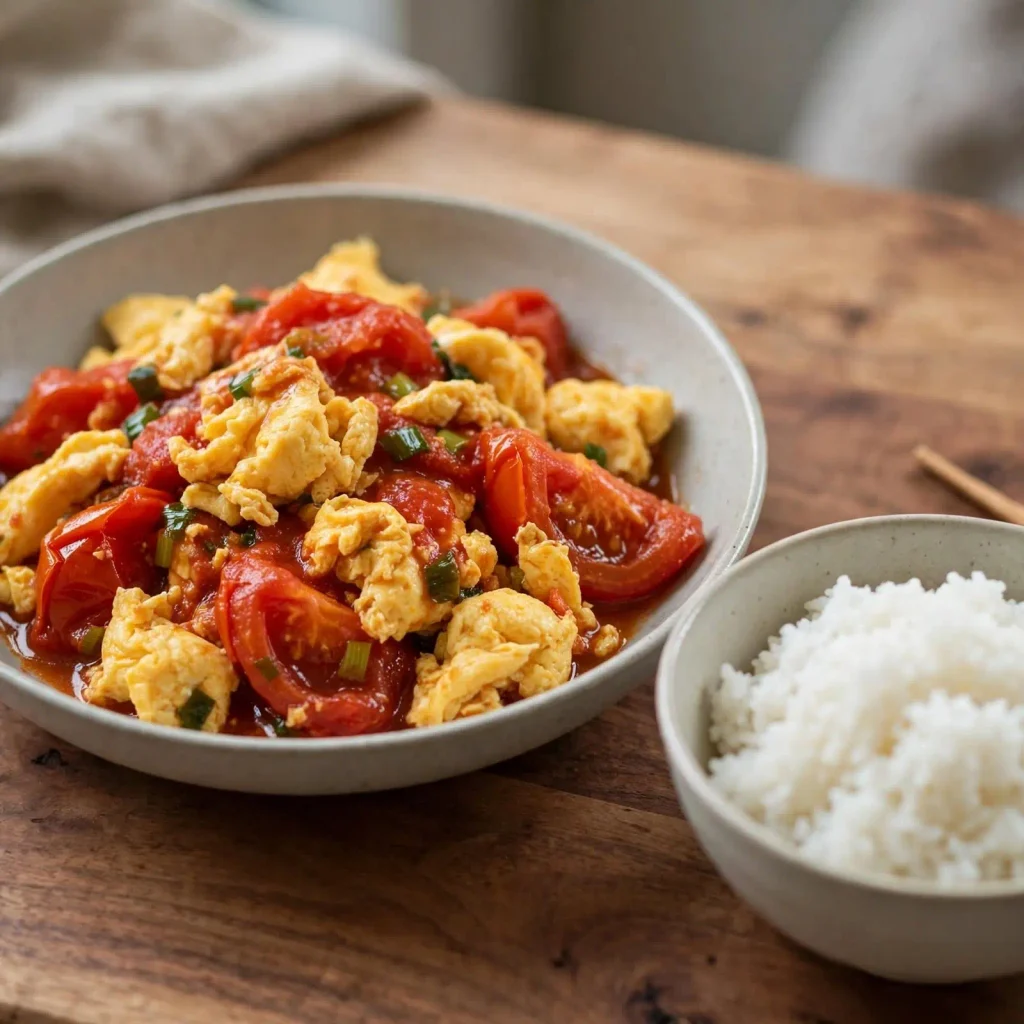
Ripe tomatoes and scrambled eggs form a familiar Chinese home-style stir-fry, usually seasoned lightly with salt and scallions. Some versions include a little sugar to balance tart tomatoes.
Cook the eggs until just set and remove them; soften the tomatoes in the pan until they release their juices, then return the eggs to the mixture.
The result is soft, gently sweet-tart, and lightly sauced, with no complex seasoning blend required. It is commonly spooned over steamed rice as a quick meat-free dinner.
Choose ripe tomatoes that release enough juice to form a light sauce.
18. Pork and Cabbage Dumplings
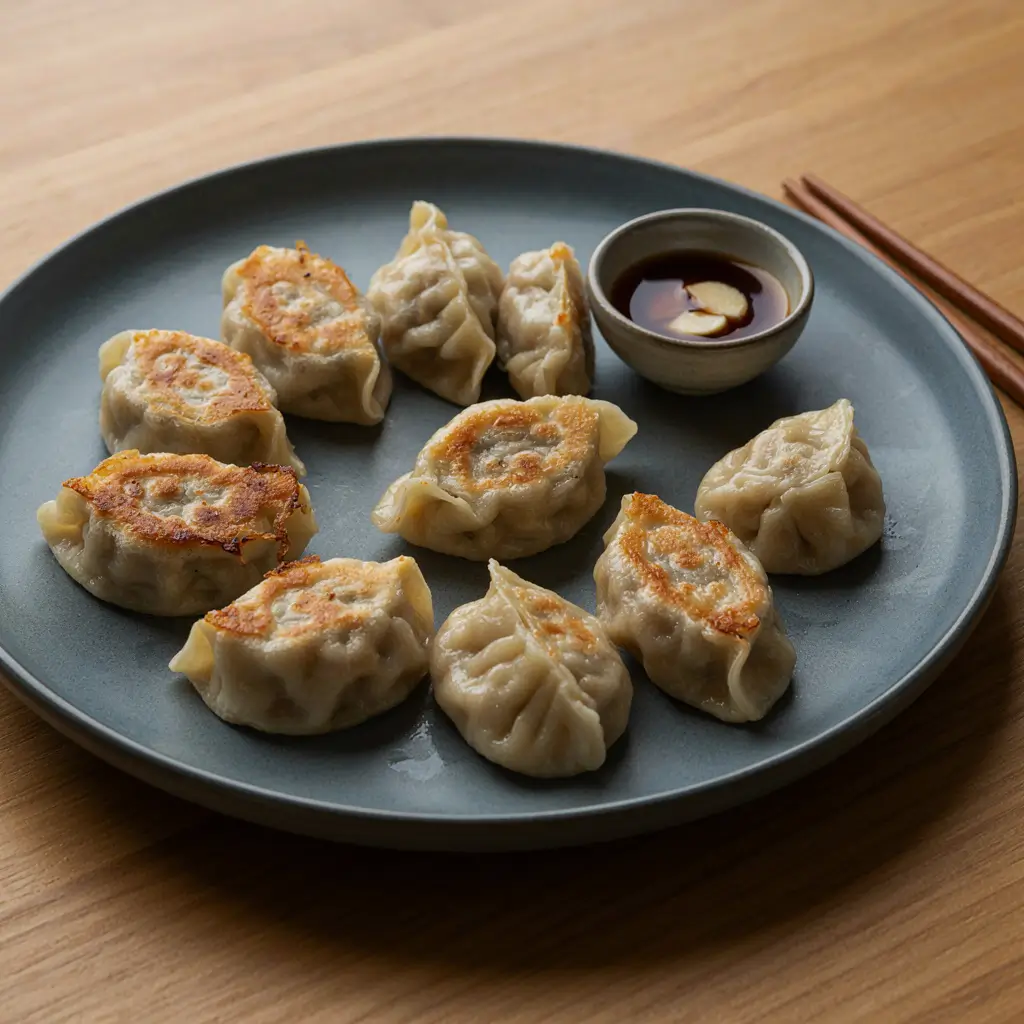
Ground pork and finely minced napa cabbage are seasoned with ginger, soy sauce, and sesame oil, then wrapped in thin dumpling wrappers and pan-fried until golden before steaming with a splash of water.
The base develops a crisp, lacy crust while the interior stays tender and juicy. Served with a simple dipping sauce of Chinkiang vinegar and sliced fresh ginger, they make an engaging weekend dinner project.
19. Sichuan Dan Dan Noodles
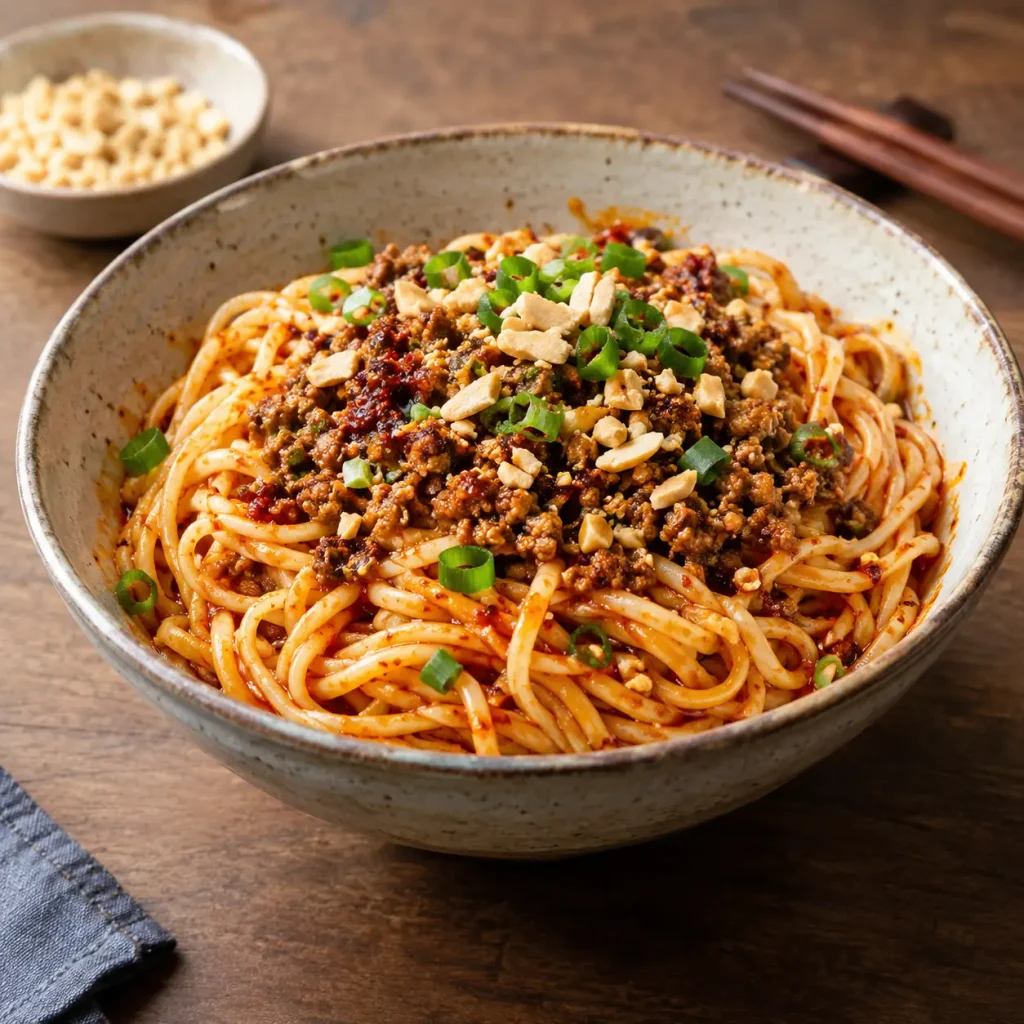
Fresh wheat noodles are coated in a rich, savory sauce made from toasted sesame paste, chili oil, Sichuan peppercorn powder, soy sauce, and dark Chinese vinegar, then topped with spiced minced pork and crushed peanuts.
The sauce delivers a complex interplay of nutty, spicy, and tangy notes that cling to every strand. Tossed together just before serving, it offers a bold, aromatic noodle dinner with distinct regional character.
Easy Chinese Dinner Recipes for Busy Weeknights
When time is short, certain dishes from the collection stand out for their speed and simplicity.
High-heat stir-fries like Beef and Broccoli, Kung Pao Chicken, and Black Pepper Beef come together in a single pan within twenty minutes, making them ideal for weeknight schedules.
Tomato and Egg Stir-Fry relies entirely on basic pantry staples and fresh eggs for an effortless meatless meal, while Yangzhou-Style Fried Rice turns leftover cold rice into a complete, one-pan dinner with minimal cleanup.
A thoughtful selection of Chinese dinner recipes transforms weeknight cooking into an opportunity to explore varied textures, aromatic spice blends, and distinct regional techniques.
By matching the right cooking method – whether high-heat stir-frying, gentle steaming, or savory braising – to your schedule and cravings, homemade Chinese dinners become both practical and deeply rewarding.
Conclusion
These Chinese dinner recipes cover a wide range of ingredients and methods, from quick wok dishes and noodle soups to steamed fish and slow-braised meats.
Choose according to the ingredients available, your preferred seasoning, dietary needs, and the time you have for cooking.
The collection also provides opportunities to explore dishes beyond familiar stir-fries, with distinctive noodle preparations, regional specialties, and vegetarian meals.
Trying different techniques and flavor profiles can broaden your home-cooking repertoire and give you more options when deciding what to make for dinner.