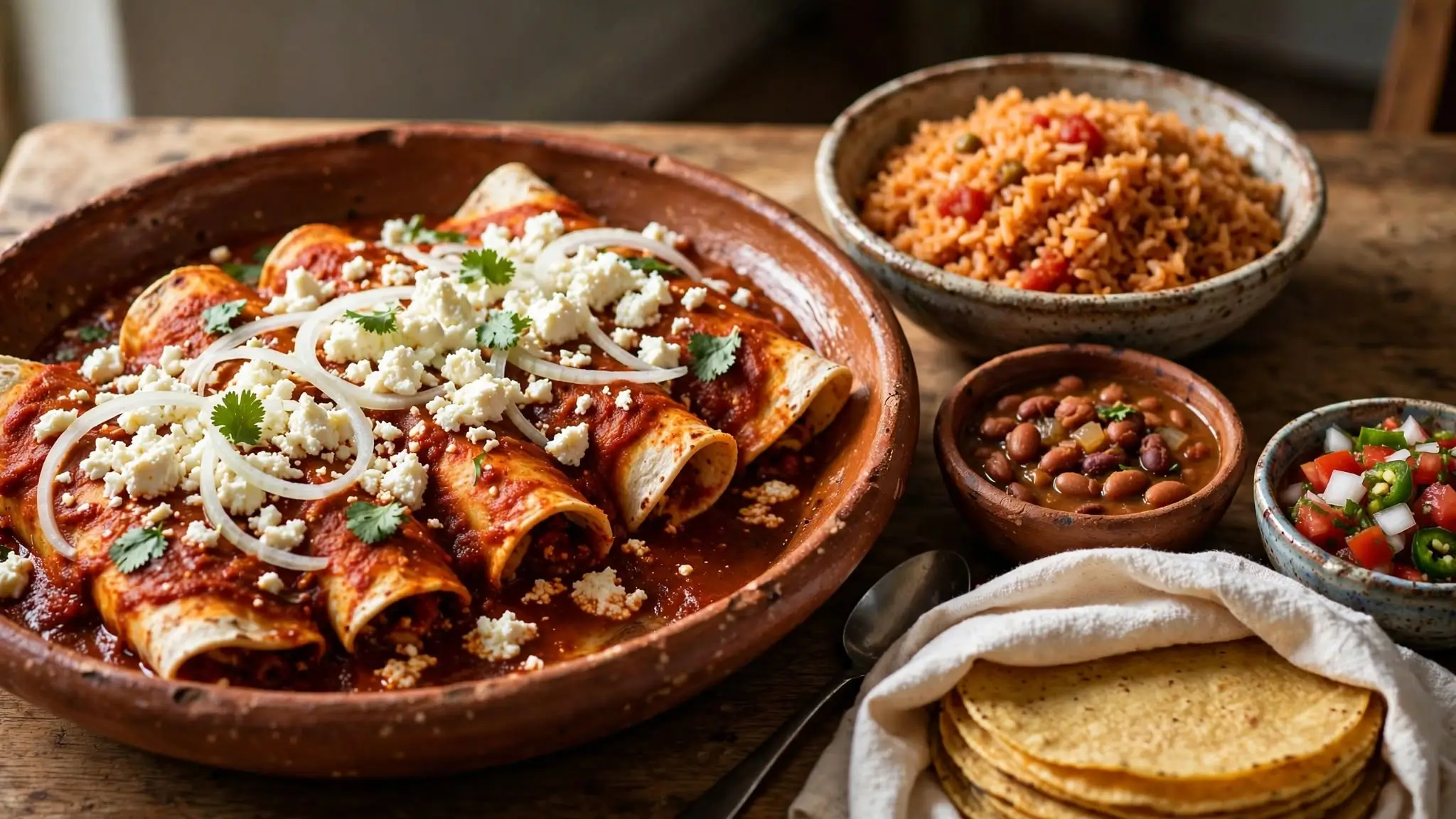
Mexican dinner recipes extend well beyond tacos, burritos, and cheese-heavy dishes.
This collection brings together slow-cooked meats, chile-based stews, seafood, enchiladas, stuffed peppers, bean dishes, and vegetable-centered meals drawn from different Mexican cooking traditions.
Some suit weeknight cooking; others involve longer preparation or more involved sauces.
The collection includes meat, seafood, and vegetarian choices, with different levels of heat, textures, and meal formats. Each entry explains what defines the dish, how it is prepared, and what to serve alongside it.
Unfamiliar ingredients and cooking terms are explained where useful, so readers can understand the dishes without needing prior knowledge of Mexican cuisine.
Whether you are looking for a practical dinner or want to explore a regional specialty, this guide helps you choose according to your ingredients, time, and preferred style of meal.
Understanding the Ingredients Behind Mexican Cooking
Corn tortillas are thin, round flatbreads made from masa, a dough prepared from ground corn.
Traditional masa is made by cooking corn with food-grade lime, then grinding it in a process called nixtamalization.
Tomatillos are tart green fruits enclosed in papery husks; they are distinct from ordinary green tomatoes.
Dried chiles have different characteristics depending on the variety, ranging from earthy and fruity to smoky and hot.
Achiote is a red-orange seasoning made from annatto seeds, commonly combined with spices in Yucatán cooking. Adobo refers to a seasoned marinade or sauce, often built around chiles.
Mole describes a family of complex Mexican sauces made with varying combinations of chiles, spices, seeds, nuts, and other ingredients.
1. Chicken Tinga
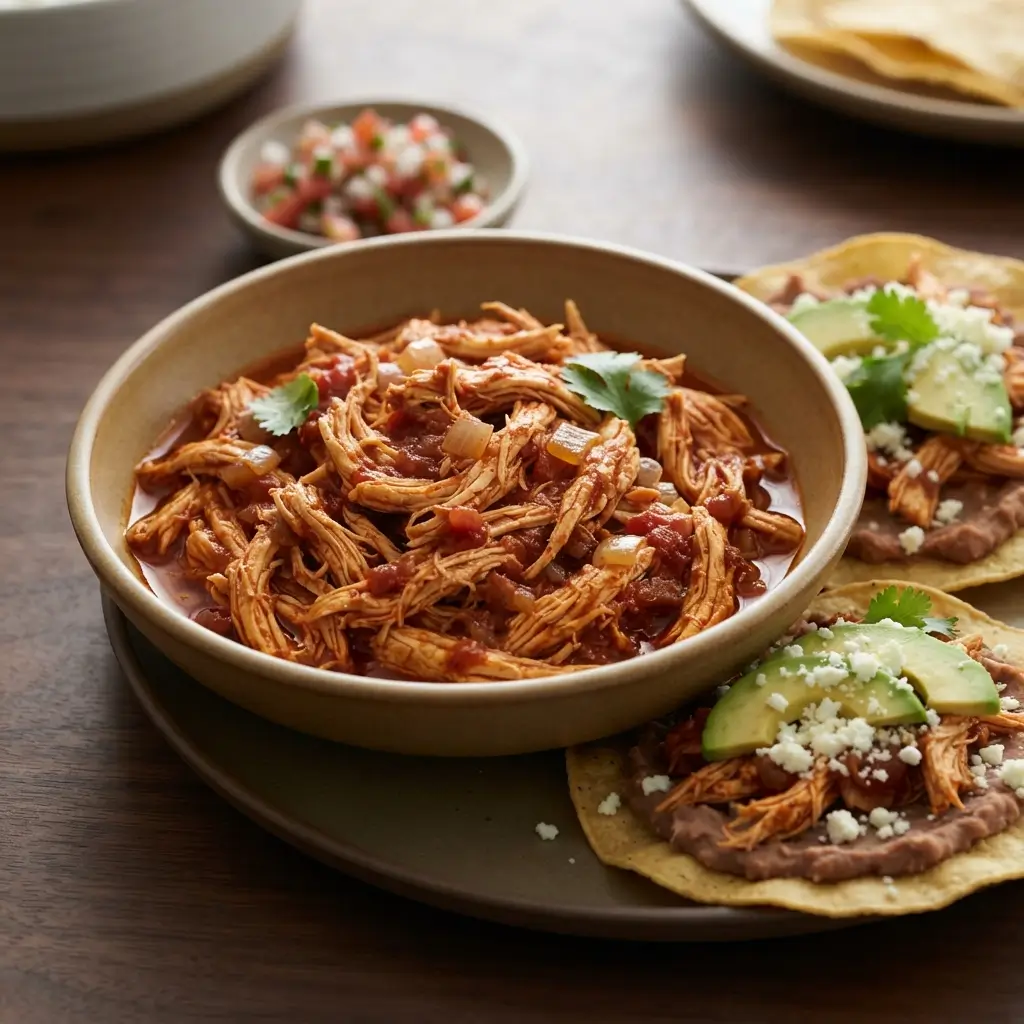
Chicken tinga combines shredded chicken with tomatoes, onion, and chipotle, a jalapeño chile that has been smoked and dried.
The chipotle contributes a distinctive smoky flavor and moderate heat to the tomato-based sauce. The dish originated in Puebla and is now prepared in many variations across central Mexico.
Spoon the chicken onto crisp corn tostadas or into soft tortillas. Tostadas are flat corn tortillas that have been toasted or fried until crunchy.
Refried beans, avocado, sliced onion, and crumbled queso fresco – a mild, fresh Mexican cheese – are suitable accompaniments.
2. Mole Poblano Chicken
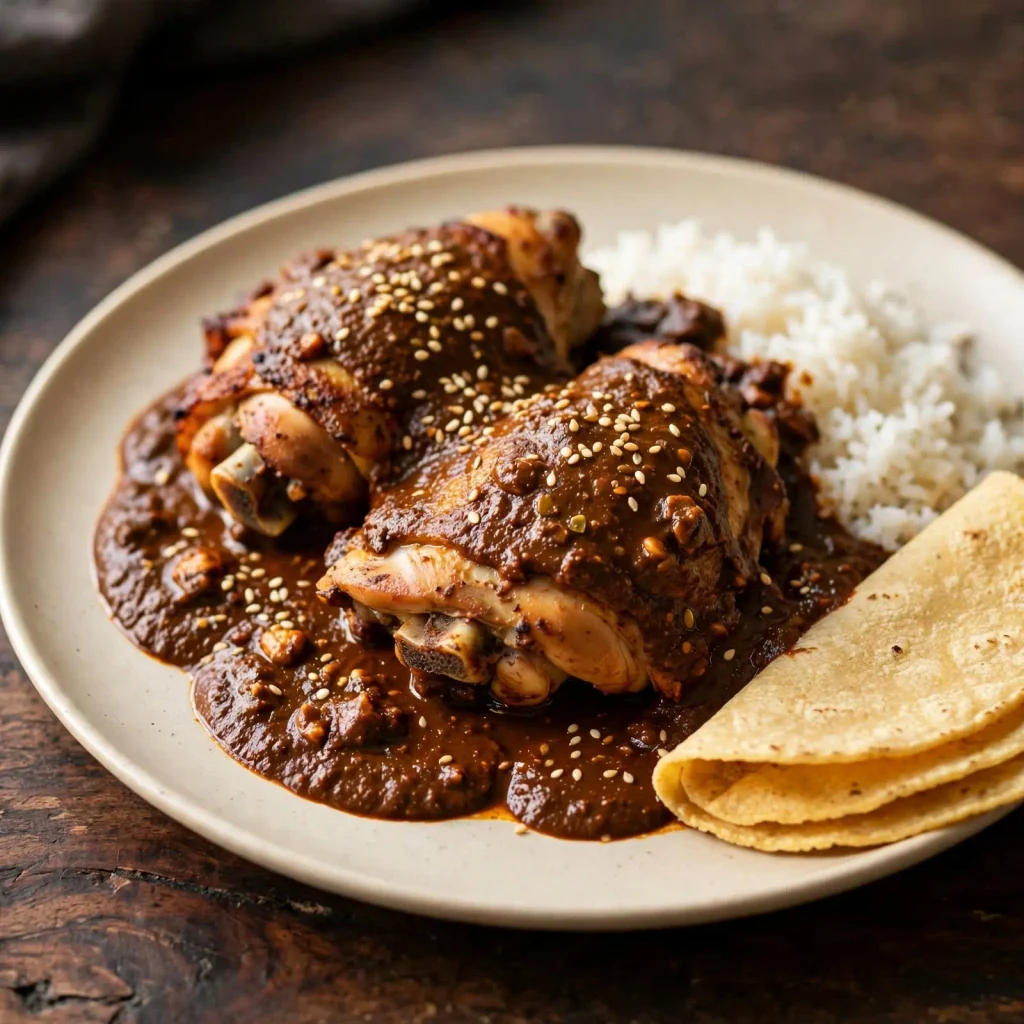
Chicken with mole poblano centers on a thick chile-based sauce with a complex combination of dried chiles, spices, seeds, nuts, and other seasonings.
Mole is a broad family of Mexican sauces, and Puebla is particularly associated with mole poblano. The sauce has layered savory, earthy, gently sweet, and chile-driven notes.
Chicken is commonly served fully coated in the mole, allowing the sauce to remain the main flavor of the plate.
Plain rice and warm corn tortillas provide simple accompaniments that keep attention on the sauce.
3. Birria de Res
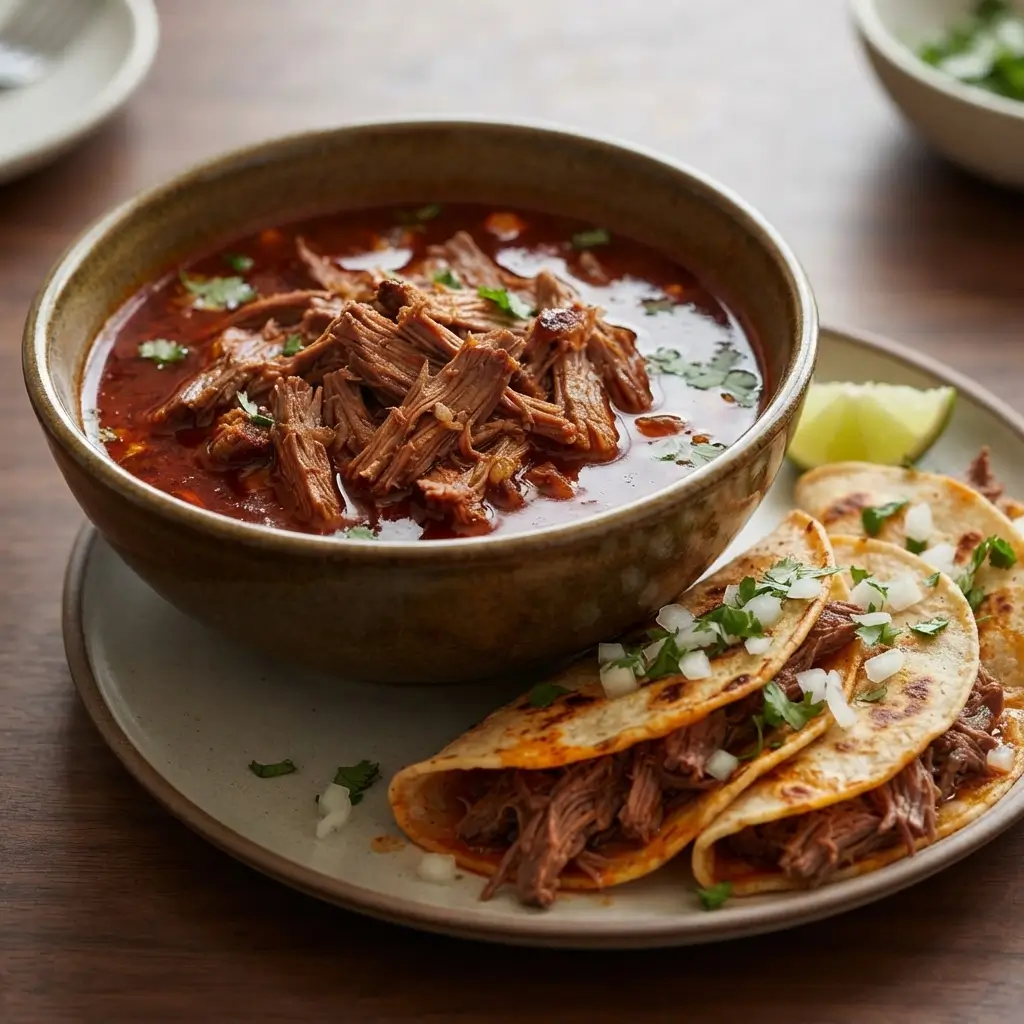
Birria de res is the beef version of birria, a Mexican meat dish strongly associated with Jalisco.
The beef is seasoned with an adobo, a marinade made from dried chiles, vinegar, garlic, and spices, then cooked slowly until tender enough to shred.
Guajillo and ancho chiles contribute a deep red color and earthy, mildly smoky flavor. The cooking liquid becomes a savory broth served alongside the meat.
For a traditional serving style, present the beef with warm corn tortillas, chopped onion, oregano, and lime. The shredded meat also makes a filling for birria tacos.
4. Cochinita Pibil
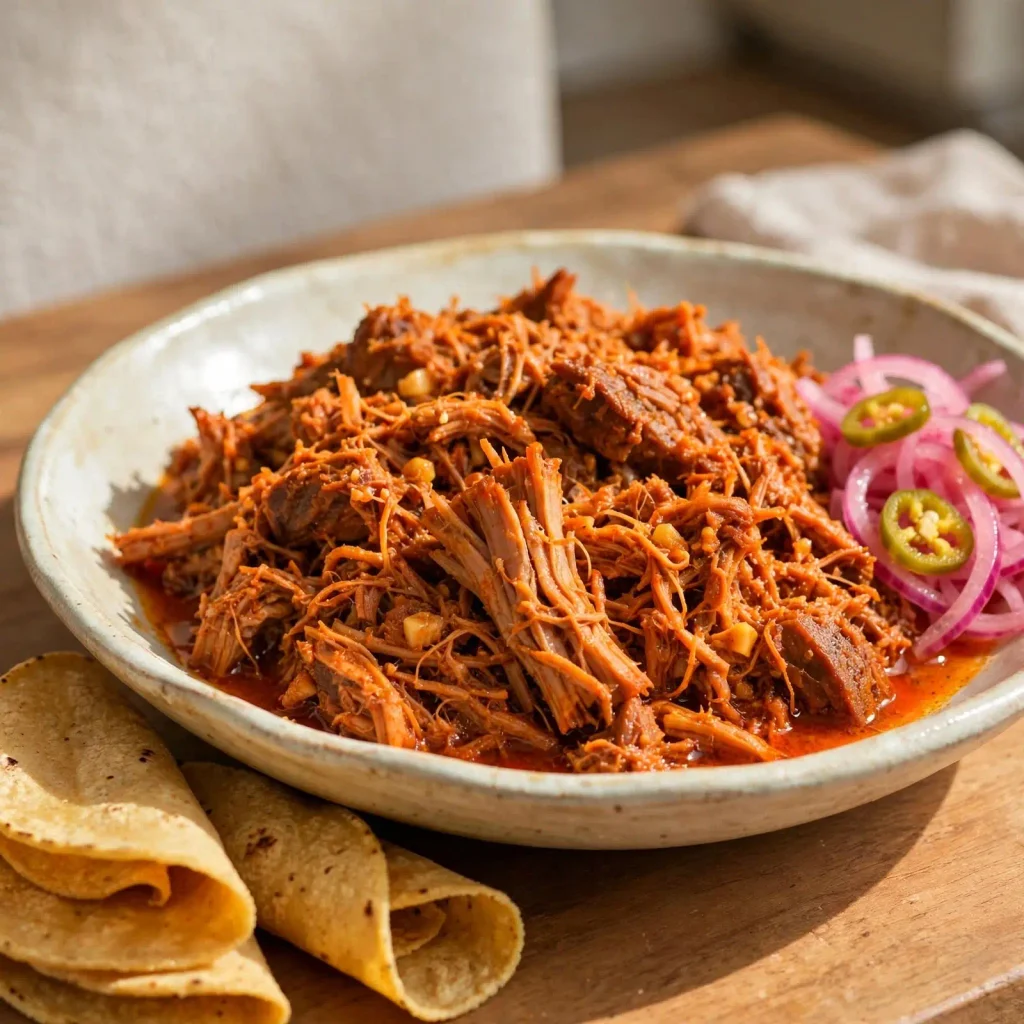
Cochinita pibil is a Yucatecan pork dish seasoned with achiote paste, a red seasoning made from annatto seeds and spices, and sour orange juice.
Achiote gives the marinade its red-orange color and earthy flavor; sour orange adds sharp acidity. Traditionally, the pork is wrapped in banana leaves and slow-cooked in an underground pit oven.
Home preparations adapt the method to a covered oven dish, producing tender, shreddable meat.
Serve it in corn tortillas with pickled red onion and habanero salsa for extra heat. The combination of achiote, sour orange, and slow cooking defines this regional specialty.
5. Pescado a la Veracruzana
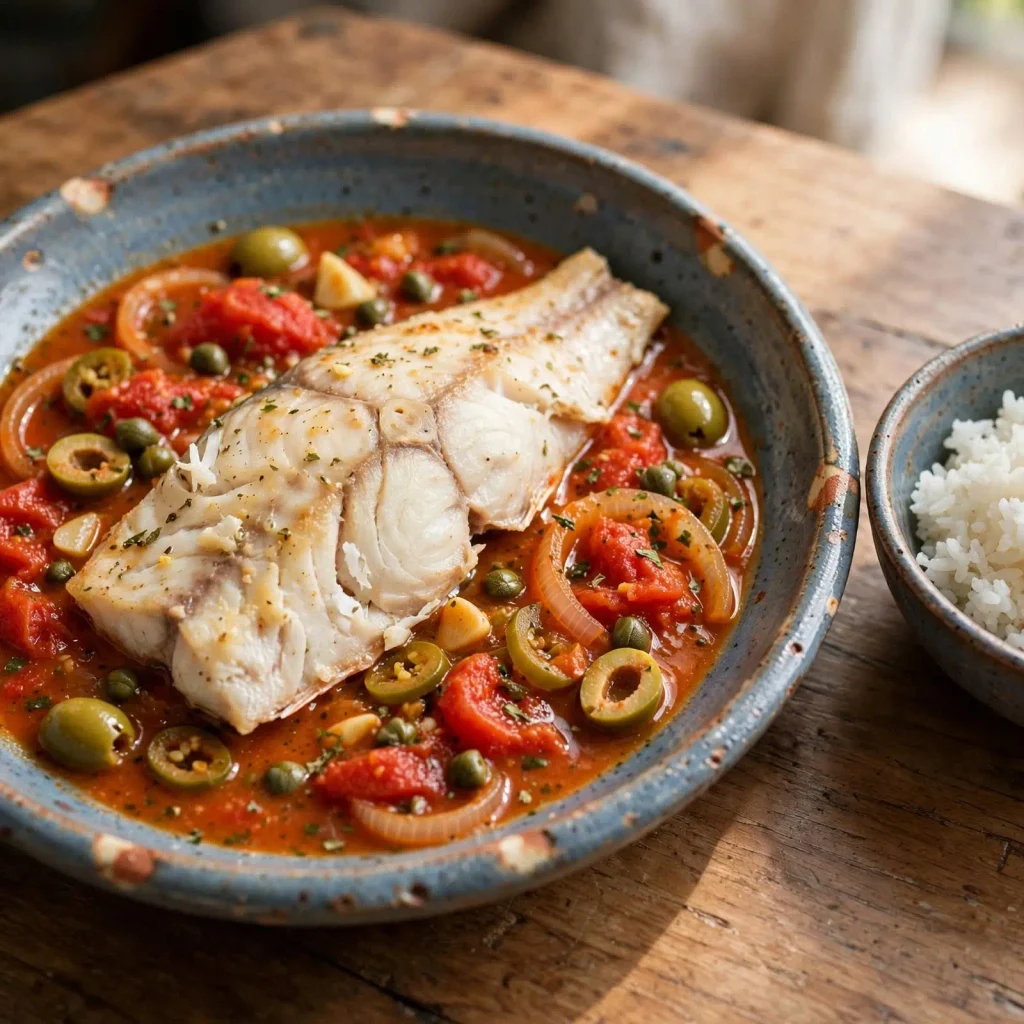
Pescado a la Veracruzana is centered on fish cooked in a Veracruz-style tomato sauce containing onion, garlic, herbs, olives, and capers.
The sauce is generally mild, with jalapeño or another chile appearing in some versions. The preparation is associated with the Sotavento region of Veracruz.
The olives and capers give the tomato base a salty, briny character that sets the dish apart from chile-heavy seafood recipes.
White fish or huachinango can be used according to the preparation. Rice or potatoes provide a simple accompaniment for the sauce.
6. Camarones a la Diabla
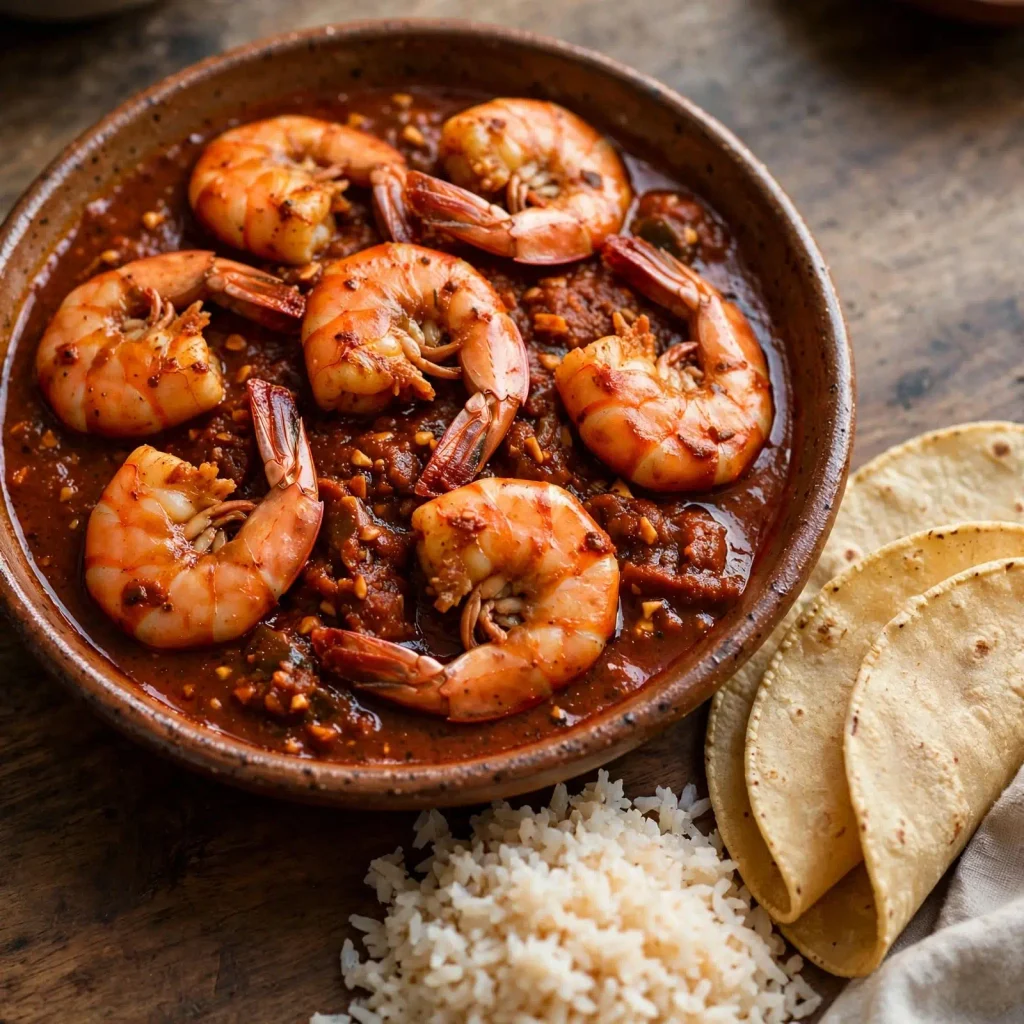
Camarones a la diabla are shrimp cooked in a chile-forward red sauce.
Dried chiles, tomato, garlic, and other seasonings create a sauce with noticeable heat and a concentrated roasted-chile character.
The preparation is useful for seafood dinners that need stronger seasoning without a long braise.
Large shrimp hold their texture well during the short cooking process, so they should be added after the sauce has developed its flavor.
Serve with rice, warm tortillas, or a simple vegetable dish. Reduce the chile quantity for moderate heat without changing the basic preparation.
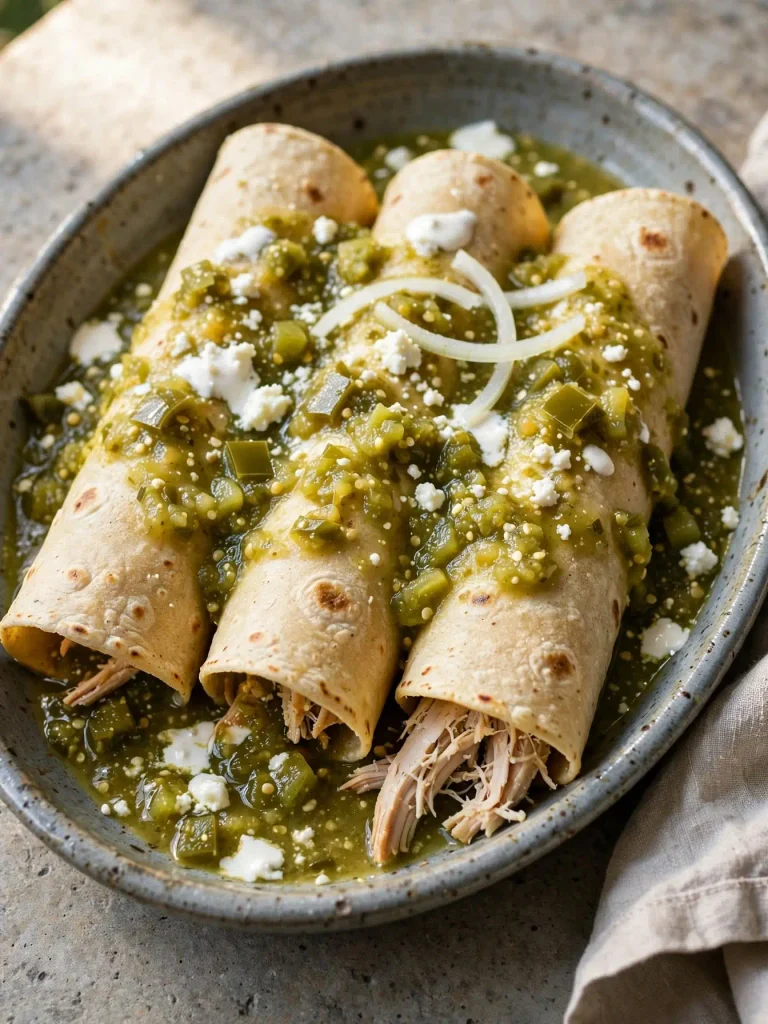
7. Enchiladas Verdes
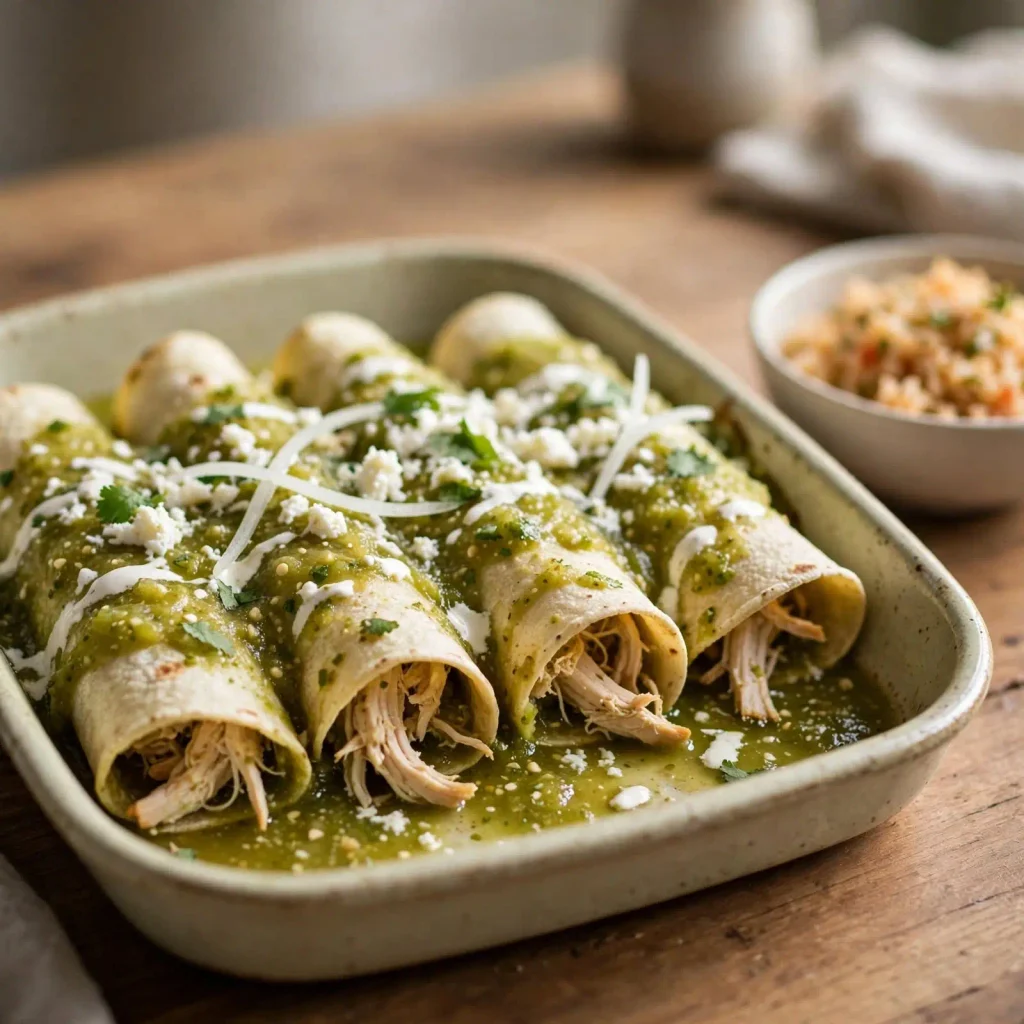
Enchiladas verdes consist of corn tortillas – thin, round flatbreads made from masa, a dough of cooked and ground corn – filled with shredded chicken, cheese, beans, or vegetables and covered with green salsa.
The sauce commonly combines tomatillos, small green fruits enclosed in papery husks, with green chiles such as serranos.
Tomatillos give the salsa its characteristic tartness, and the chiles contribute heat.
The filled tortillas are rolled, covered with salsa, and finished with Mexican crema, a pourable cultured cream, crumbled queso fresco, and sliced onion.
Serve with Mexican rice or refried beans for a more substantial dinner.
8. Chiles Rellenos
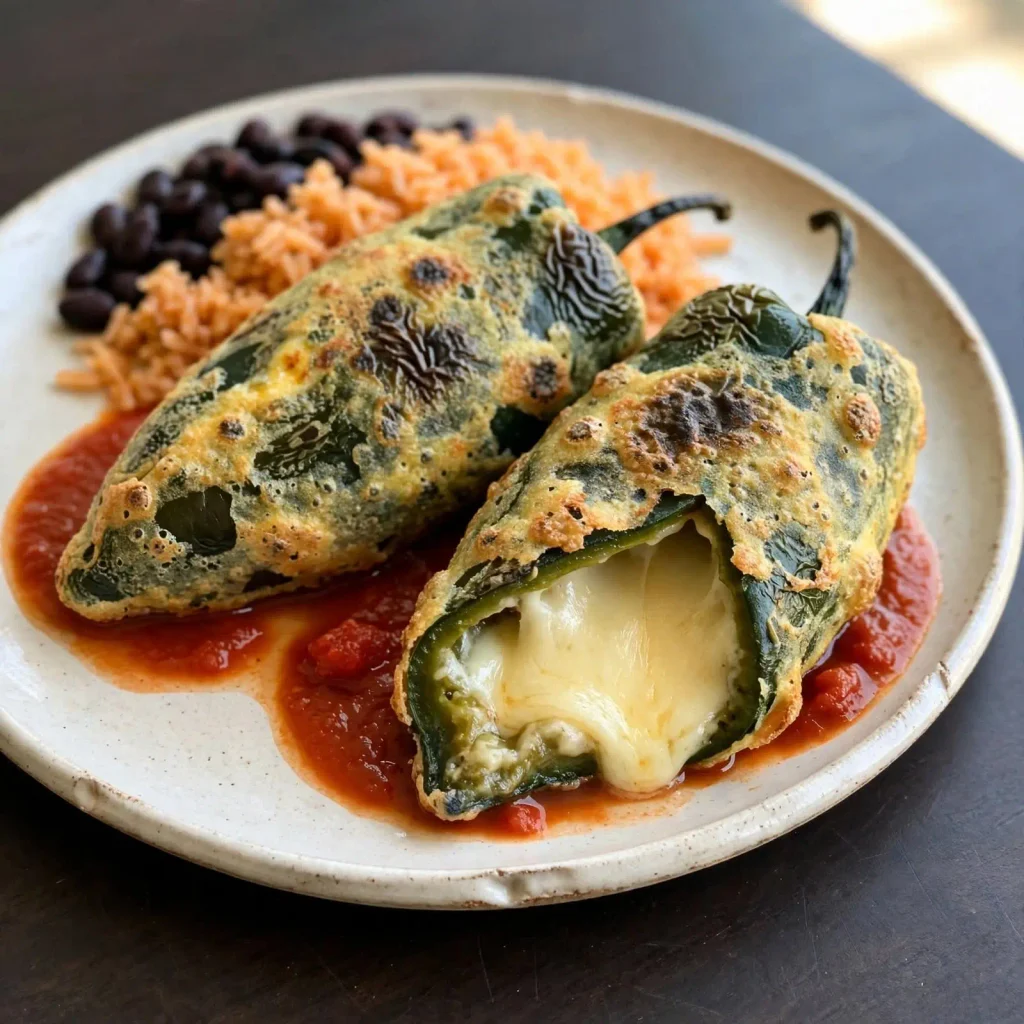
Chiles rellenos feature large chiles, most commonly poblanos, filled with ingredients such as picadillo or cheese.
Some versions are coated in beaten egg and fried, then served with a tomato-based sauce; others are prepared without the egg coating.
Cheese-filled poblanos provide a meat-free dinner with roasted chile flavor and a soft filling. Picadillo versions bring ground meat and vegetables into the center of the meal.
Rice and black beans are familiar accompaniments, and corn tortillas can make the meal more substantial.
9. Pozole Rojo
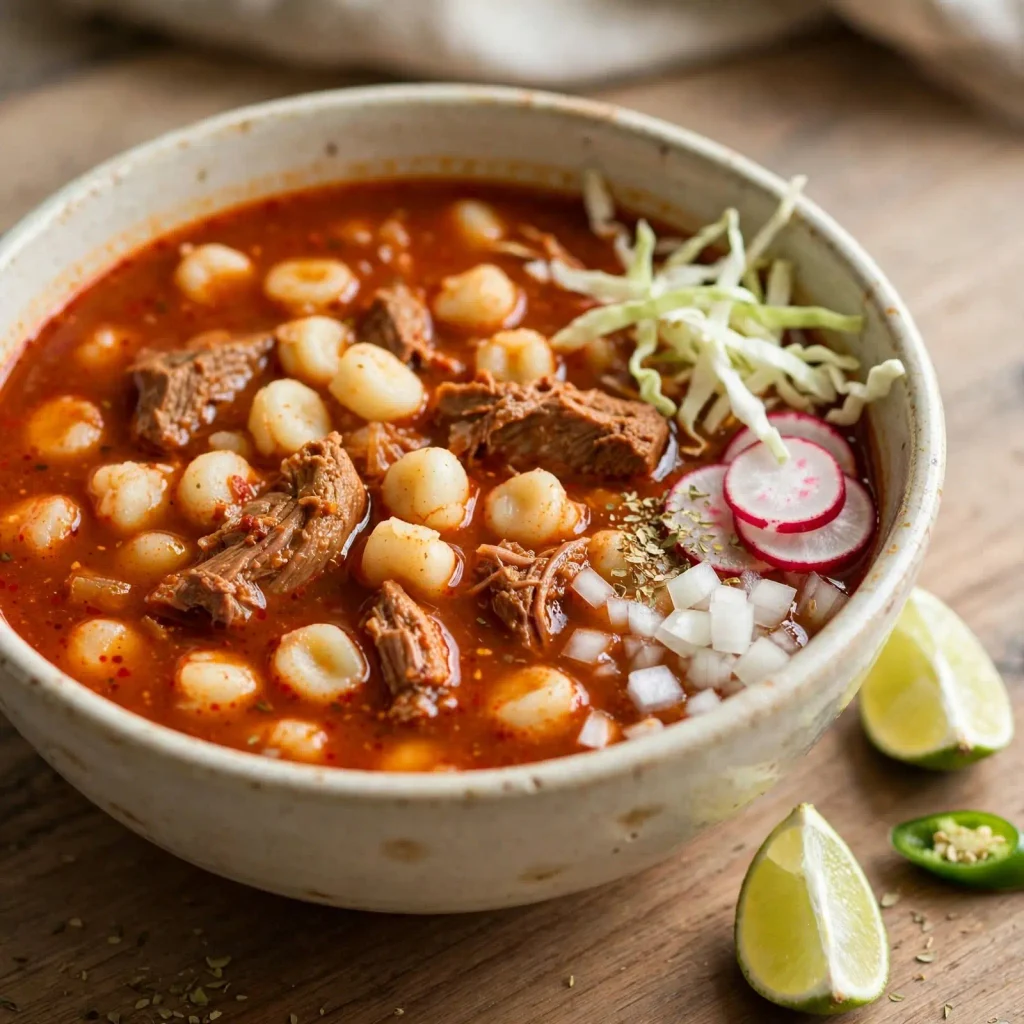
Pozole rojo is a Mexican stew made with hominy, large corn kernels that have been treated to remove and soften the outer skin, and meat cooked in a red-chile broth.
Dried chiles such as ancho and guajillo give the broth its color and characteristic seasoning. Pork is common, though chicken versions also exist.
Shredded cabbage or lettuce, sliced radishes, onion, oregano, and lime are served as toppings, letting diners adjust each bowl to their taste.
Crisp corn tostadas are a common accompaniment. The combination of prepared corn kernels, broth, meat, and fresh toppings defines this substantial dinner.
10. Pollo al Pipián Verde
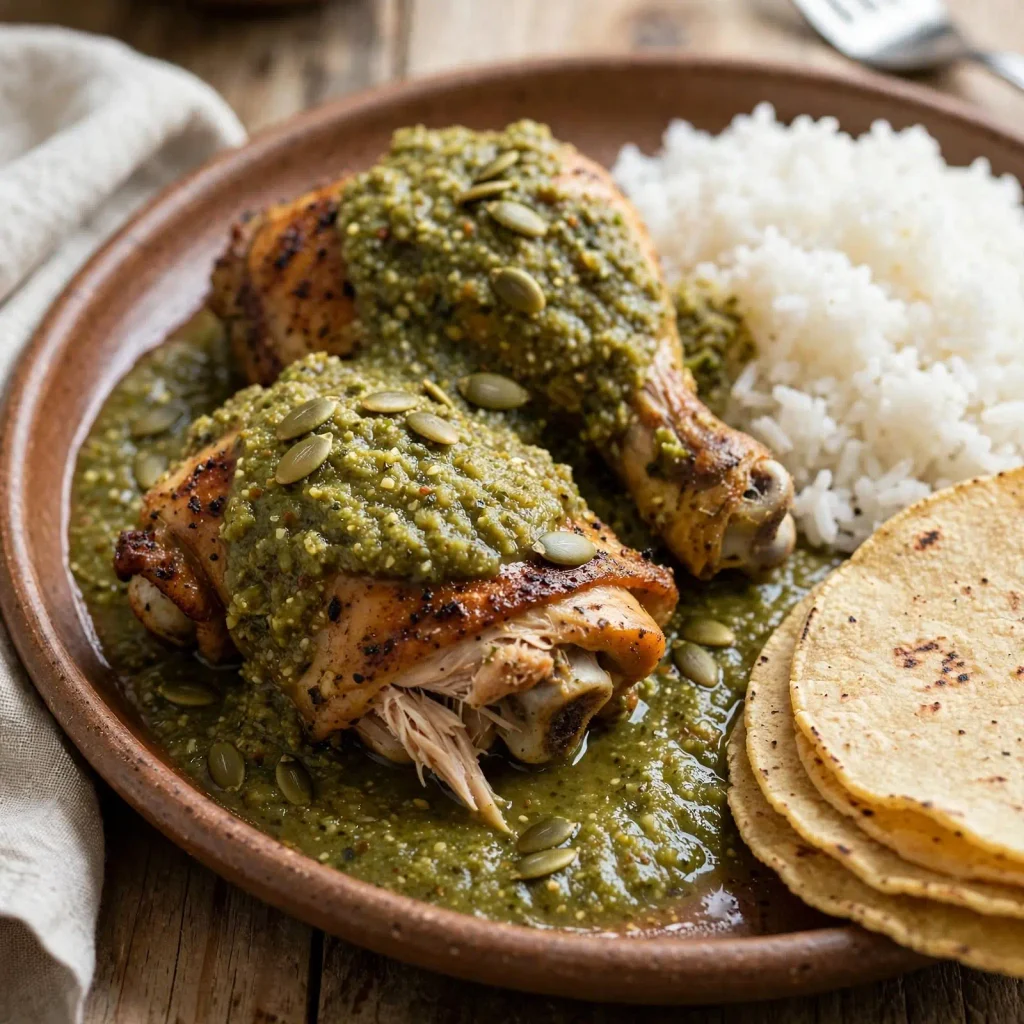
Pipián verde is a Mexican sauce thickened with ground pumpkin seeds, often combined with green chiles, tomatillos, herbs, and aromatics.
The toasted seeds contribute body and a nutty, earthy flavor. In a chicken preparation, the cooked poultry is served in the sauce, which can vary in color and seasoning according to regional and household traditions.
The green version has a fresh herbal character, with the chile mixture determining its heat. Serve it with rice and corn tortillas.
Its seed-based sauce gives the meal a distinctive identity and a different texture from tomato-based stews.
11. Chile Verde de Cerdo
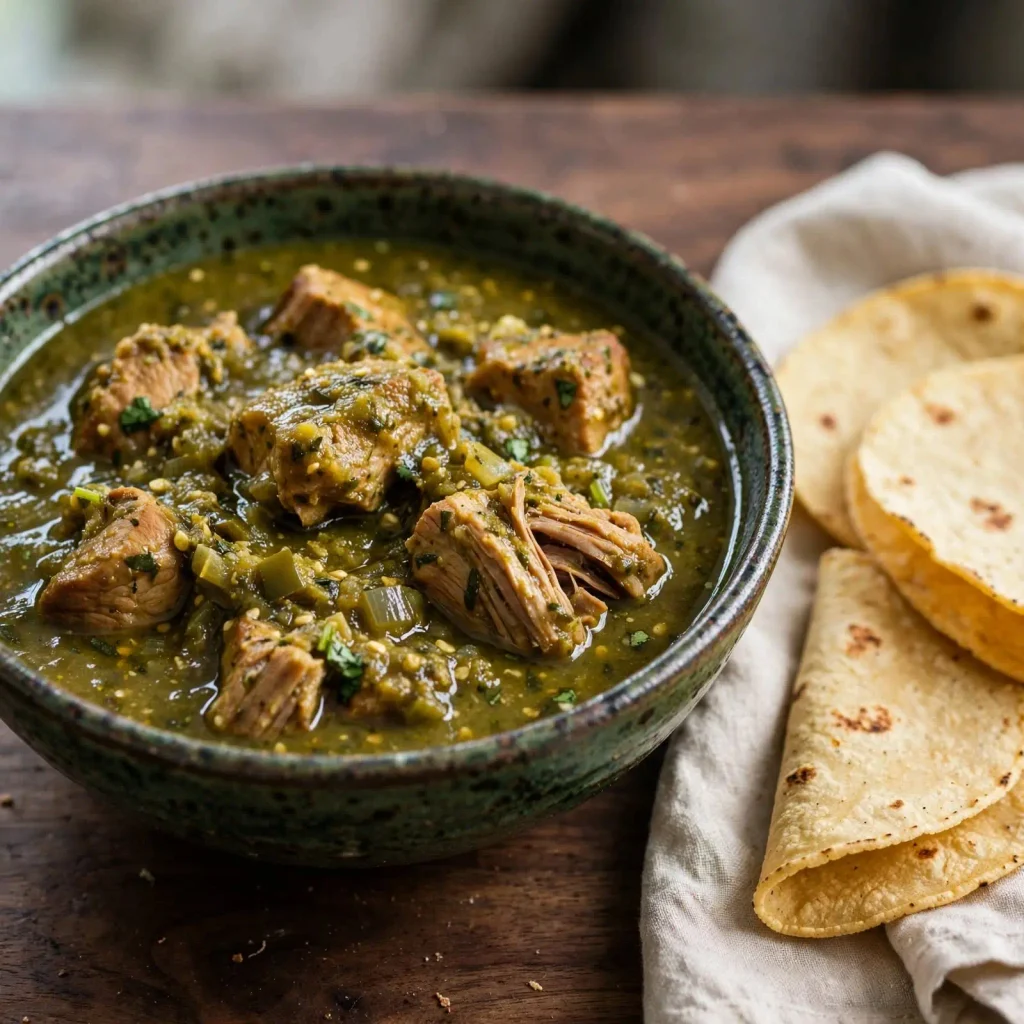
Chile verde de cerdo is pork simmered in a green sauce made with tomatillos, green chiles, garlic, and onion. The tomatillos add acidity, and the chosen chiles determine the level of heat.
Pork shoulder is suited to the slow simmering needed to tenderize the meat and incorporate the seasoning into the cooking liquid.
The result is a tangy green stew with a substantial sauce. Corn tortillas are useful for serving the pork and sauce, and beans or rice can round out dinner.
This preparation gives pork a fresh, chile-centered flavor profile.
12. Tacos al Pastor
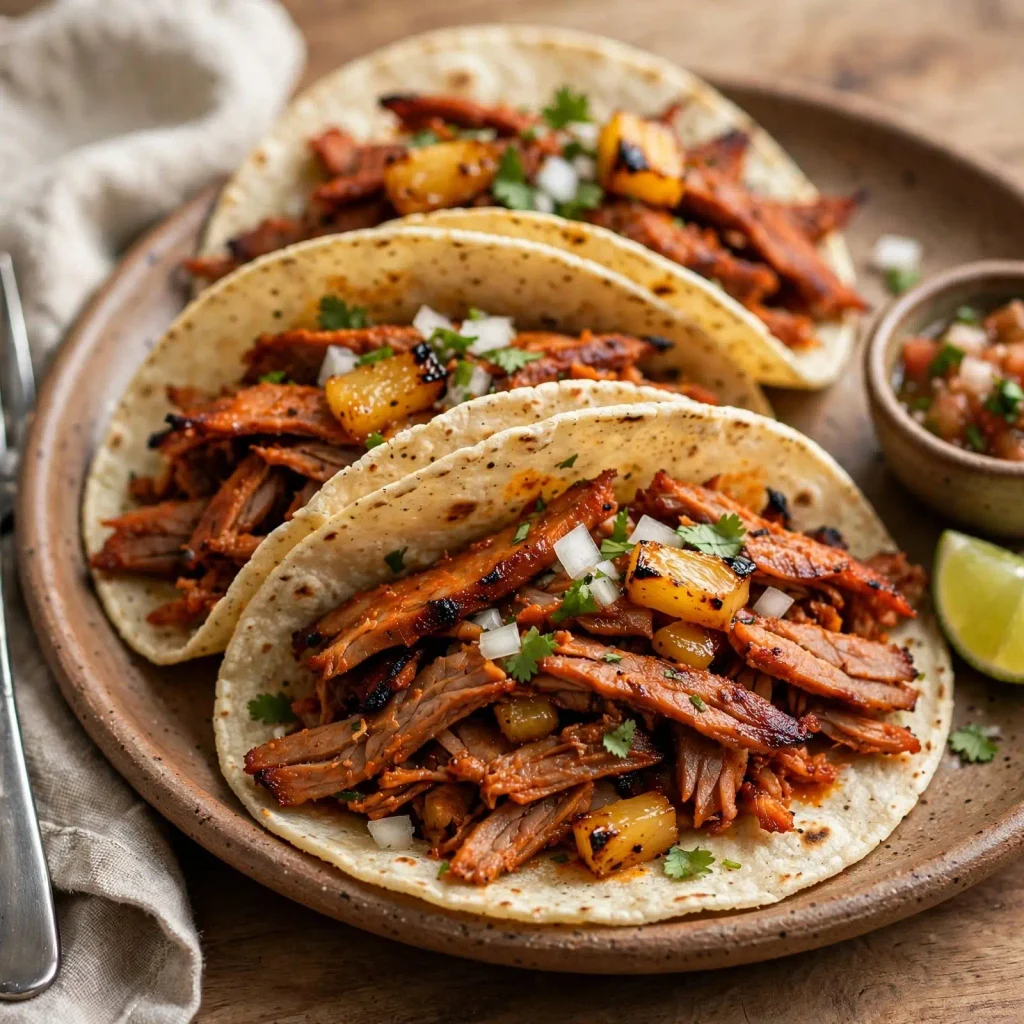
Tacos al pastor use thin slices of pork seasoned with dried chiles and spices, traditionally cooked on a rotating vertical spit.
The browned meat is sliced into corn tortillas and topped with pineapple, chopped onion, cilantro, and salsa.
The marinade supplies the main seasoning, and the fresh toppings provide sweetness, acidity, and herbal notes. At home, a hot griddle or skillet can cook the marinated pork without a vertical spit.
The meat should develop browned edges before being served. The dish is strongly associated with Mexico City and remains a distinctive example of the city’s taco tradition.
13. Arroz a la Tumbada
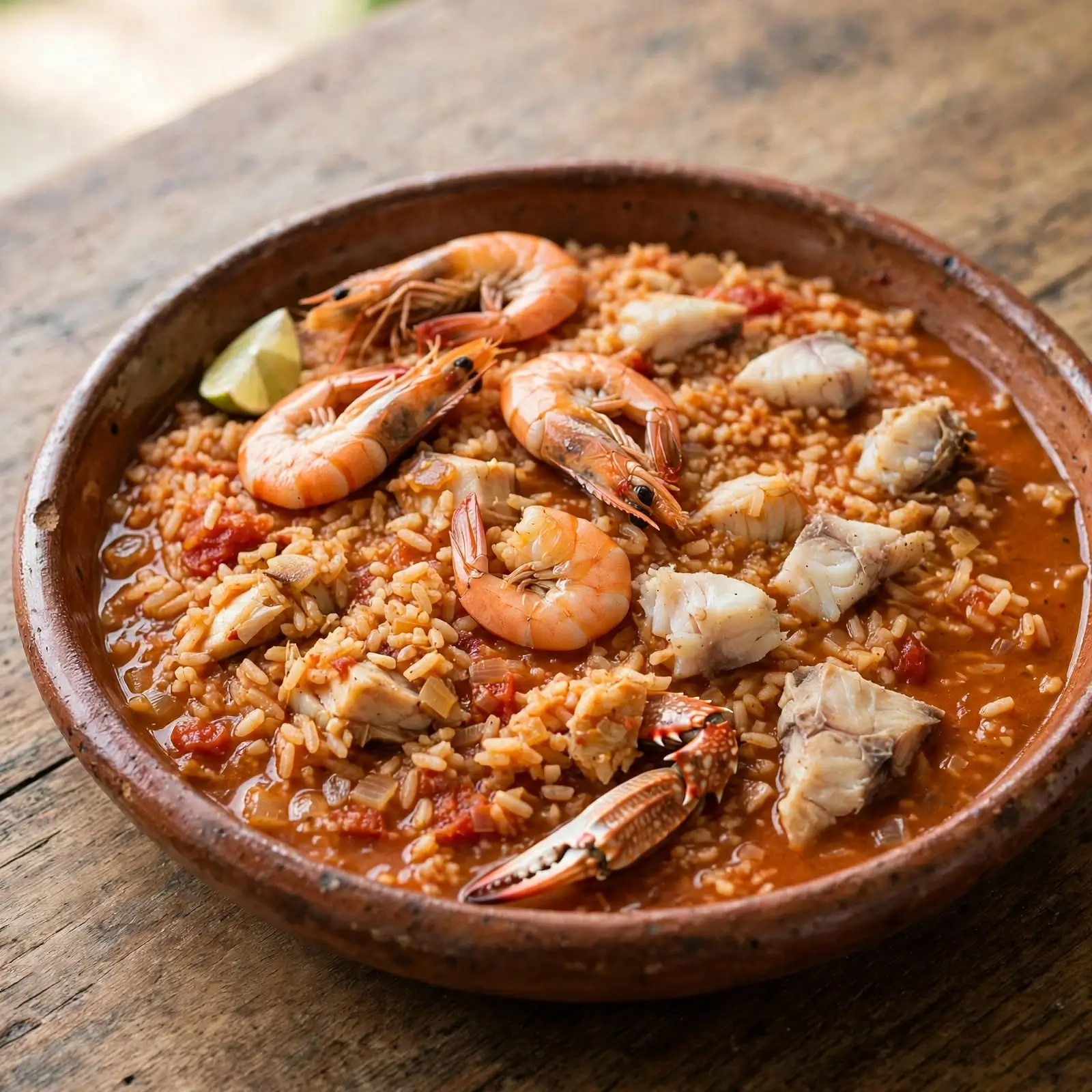
Arroz a la tumbada is a brothy seafood rice dish from coastal Veracruz.
Rice cooks with a tomato-based liquid and a selection of seafood, which can include shrimp, fish, clams, crab, or other locally available ingredients.
Garlic and oregano contribute to the seasoning, and some preparations use epazote, a Mexican herb with a distinctive, pungent aroma. The rice absorbs the seafood broth but retains a moist consistency.
Black beans and tortillas are suitable accompaniments, although the seafood and rice already form the center of the meal.
14. Picadillo Mexicano
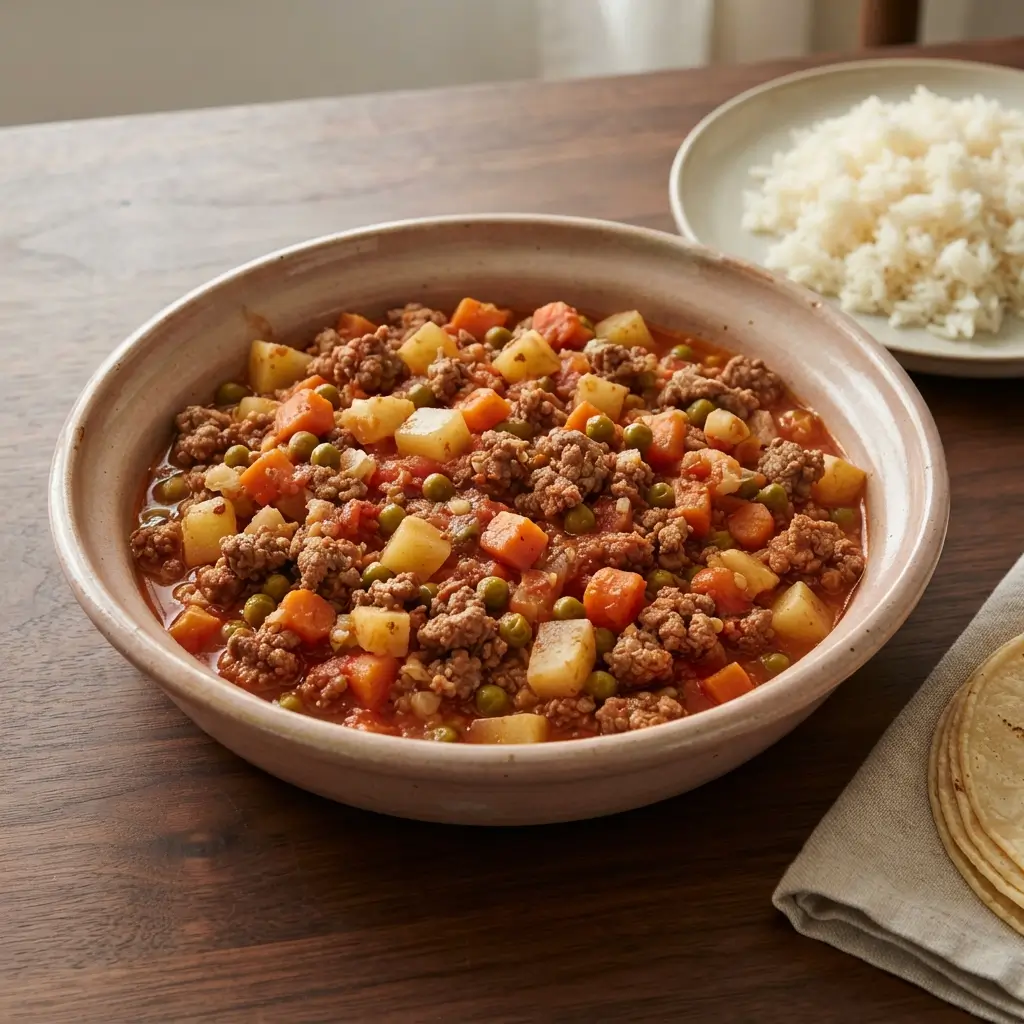
Mexican picadillo combines ground beef with tomatoes, onion, garlic, and vegetables such as potato and carrot.
Some versions include peas, dried chiles, or additional seasonings, giving the dish considerable variation from one household or region to another.
The texture is loose and spoonable, making it suitable for filling corn tortillas, topping tostadas, or serving beside rice and beans.
Tomato provides the main sauce element, and the vegetables give the beef mixture enough substance to function as a complete dinner.
It is also practical for using familiar pantry and refrigerator ingredients.
15.Enfrijoladas
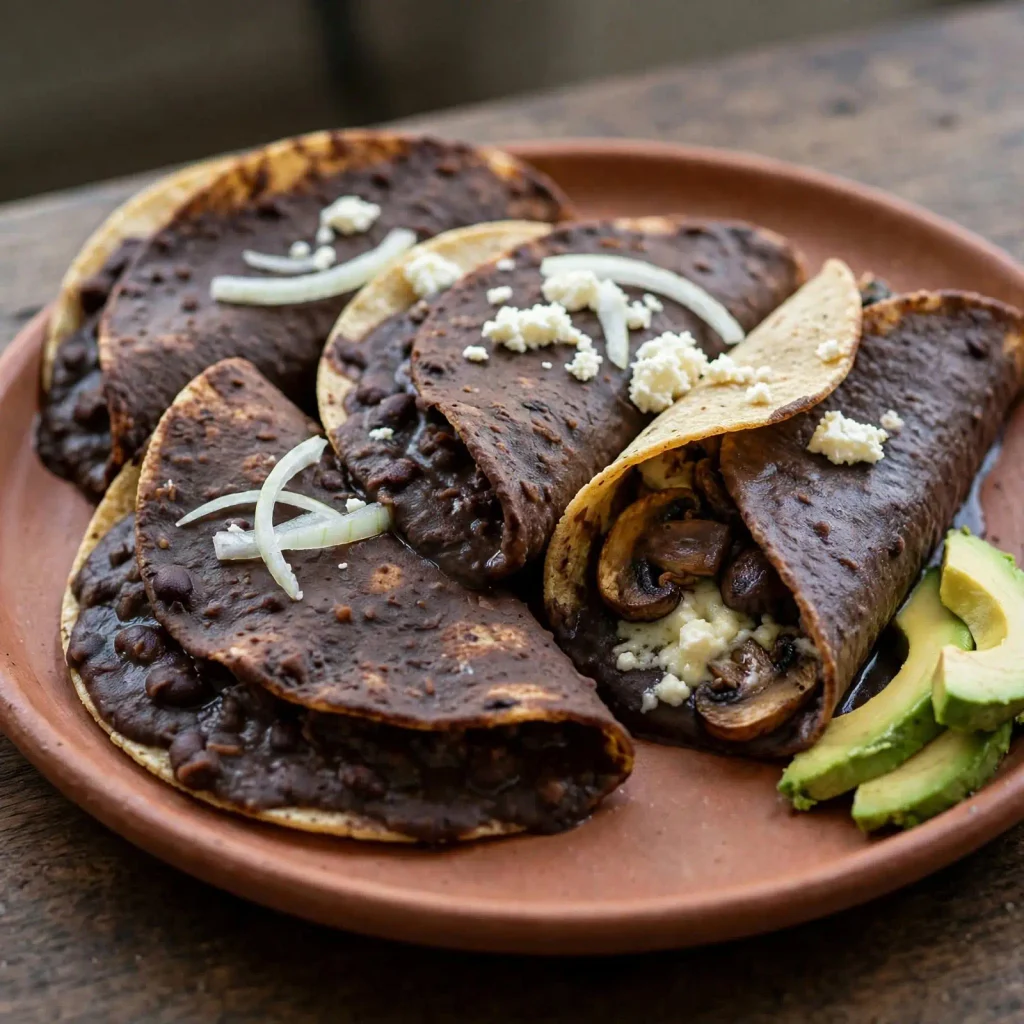
Enfrijoladas are corn tortillas coated in a seasoned bean sauce and folded around a filling.
The bean mixture forms the main sauce, giving the tortillas an earthy flavor and soft texture after they are heated.
Common fillings include shredded chicken, cheese, vegetables, or beans.
The recipe provides a useful meat-free dinner when filled with cheese, mushrooms, or vegetables. Fresh onion, avocado, crema, or queso fresco can be added according to the style of the preparation.
The defining Mexican element is the combination of corn tortillas and a smooth bean-based sauce.
16. Calabacitas con Elote
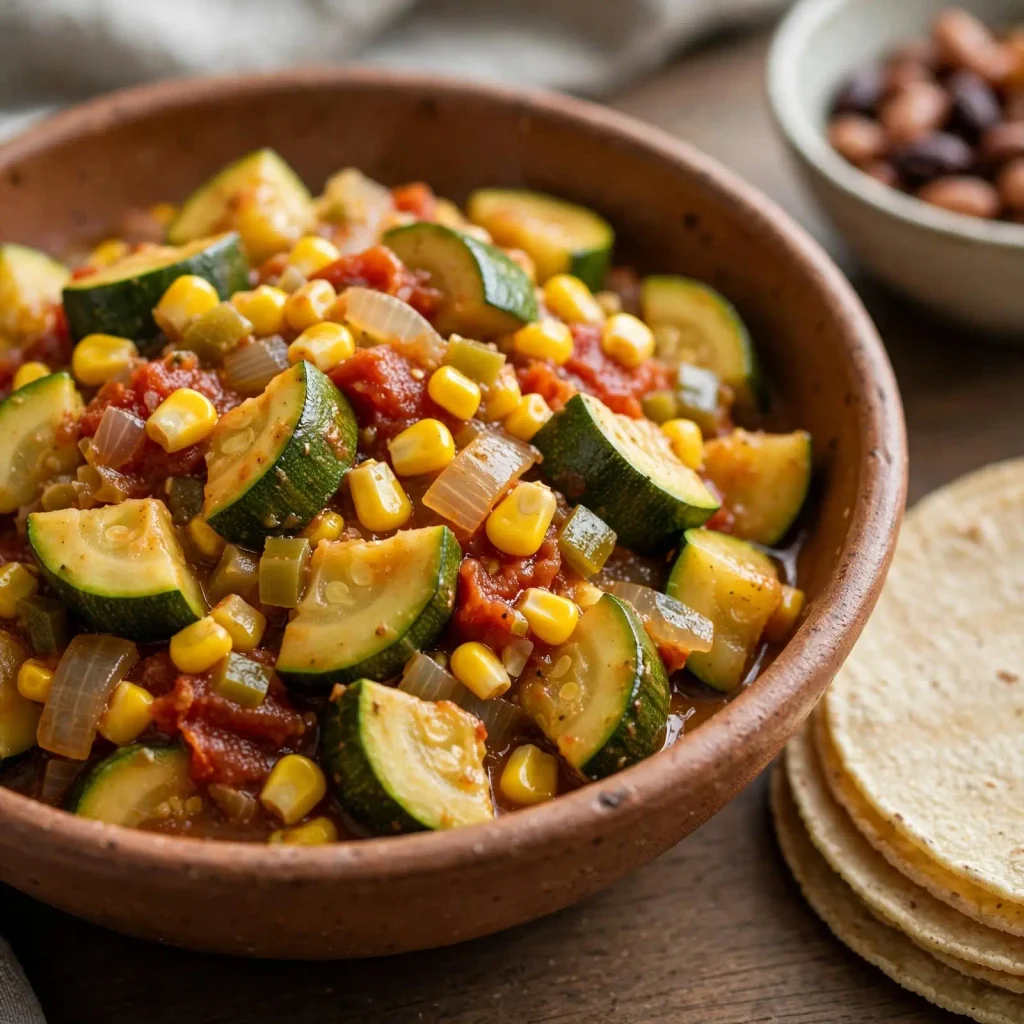
Calabacitas con elote combines tender squash – often zucchini – with fresh corn kernels, tomato, onion, and chile.
Elote is fresh corn, and its natural sweetness balances the squash and the acidity of the tomato.
The vegetables are cooked until tender but still retain some texture. Mild green chile adds gentle heat when included.
The combination fits Mexican home cooking through its use of corn, squash, tomato, and fresh chile in a vegetable-centered dish.
Serve it with beans and corn tortillas for a meat-free dinner, or use it as a side for grilled chicken or pork.
Easy Mexican Dinner Recipes for Busy Weeknights
Chicken tinga, picadillo, and calabacitas con elote rely on familiar ingredients and straightforward cooking.
Enchiladas verdes and enfrijoladas become easier to assemble when cooked beans or prepared salsa are already available.
Camarones a la diabla suits a shorter seafood-focused meal, and tacos al pastor can be adapted to a skillet. Leftover birria and cochinita pibil can be used in tacos the following day.
Mole poblano, pozole, and pipián require more involved preparation, so they may suit days when there is more time to develop their sauces and broths.
Conclusion
Bringing traditional Mexican flavors to your home kitchen does not require complicated techniques, just an appreciation for quality ingredients and thoughtful preparation.
Whether you choose a smoky slow-braised stew, a fast seafood skillet, or a comforting plate of bean-smothered enfrijoladas, these Mexican dinner recipes offer a reliable way to make tonight’s meal both memorable and satisfying.