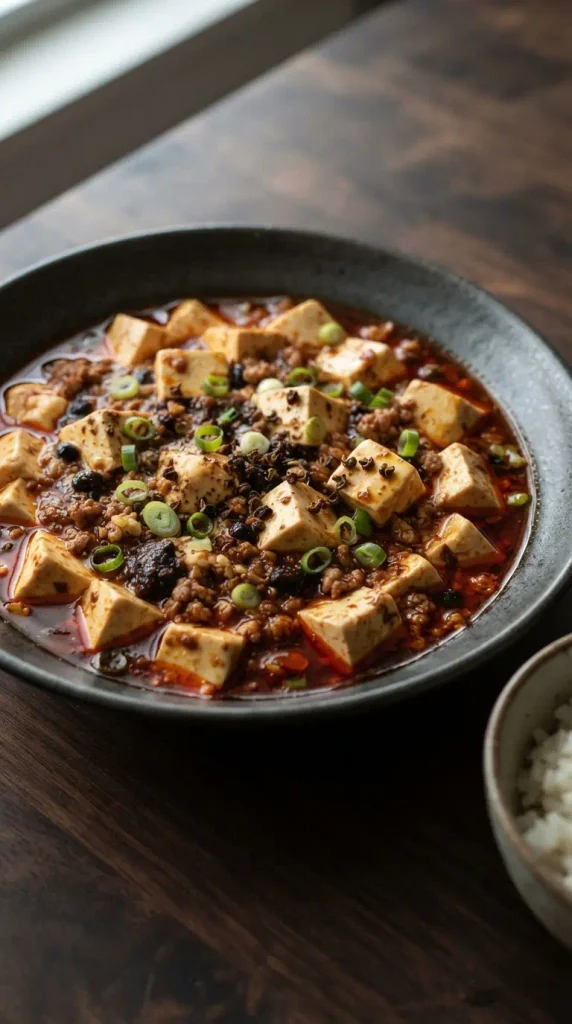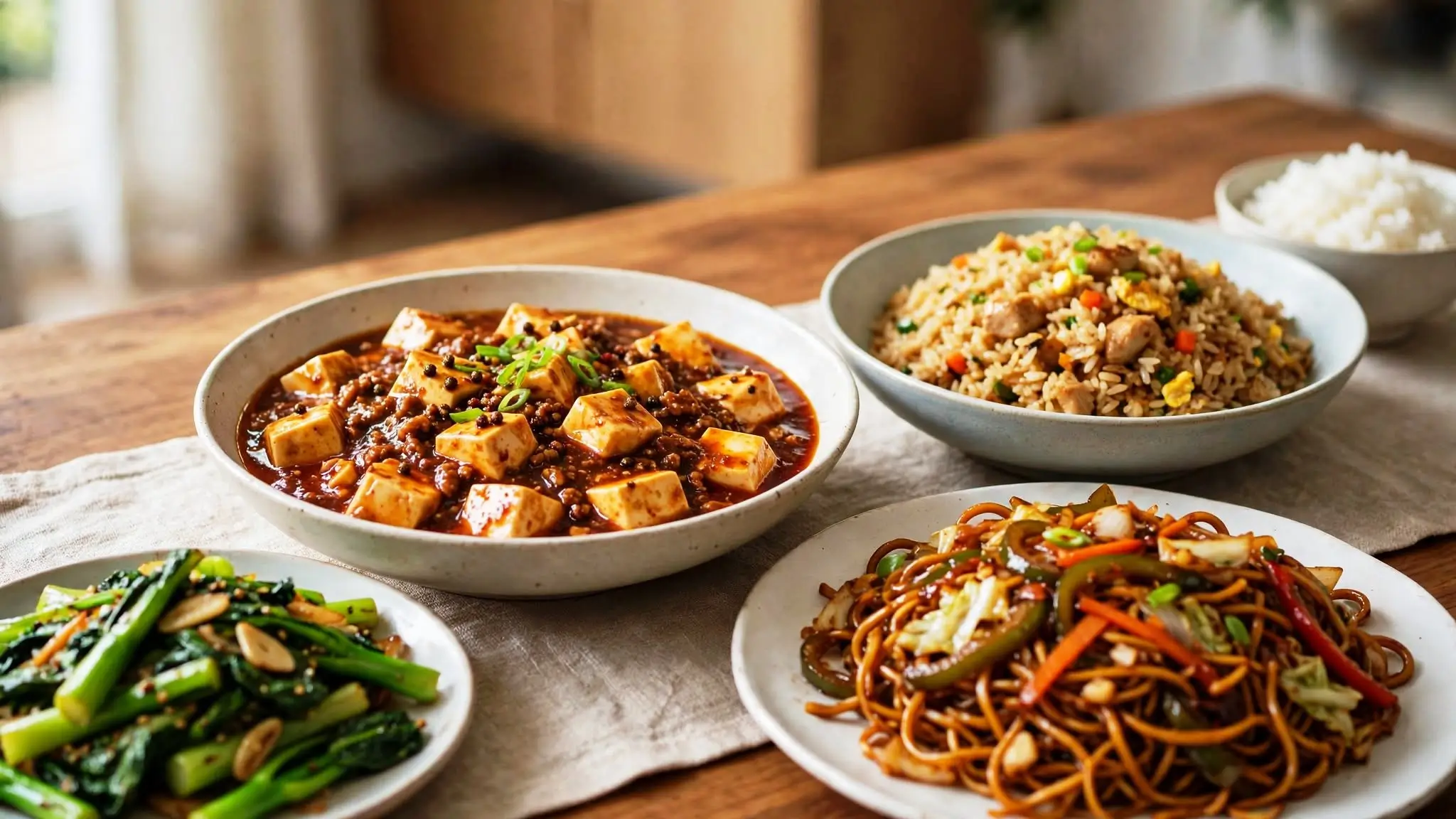
Deciding what to make for dinner is easier when you have a curated collection of distinct, approachable dishes that go beyond the standard takeout menu.
This collection of Chinese dinner recipes spans multiple proteins, vegetarian options, rice dishes, noodles, and seafood preparations, emphasizing practical home cooking that fits busy weeknights as well as relaxed weekends.
Whether you want a fiery Sichuan stir-fry or a delicate ginger-scallion fish, these recipes prioritize clear flavors, accessible ingredients, and reliable results.
Choosing the Right Chinese Dinner Recipe
Selecting the best dish for your evening depends on the time you have, your pantry ingredients, and the flavor profile you want.
If you need a fast weeknight meal, high-heat stir-fries like beef and broccoli or kung pao chicken come together in under thirty minutes using a single pan.
For a comforting, slower-paced dinner, braised pork or a deeply savory noodle dish offers richer depth.
Balance your meal by pairing bolder, spicy dishes with mild rice, or serve a garlic-forward vegetable stir-fry alongside steamed fish for a clean, aromatic spread.
Kung Pao Chicken
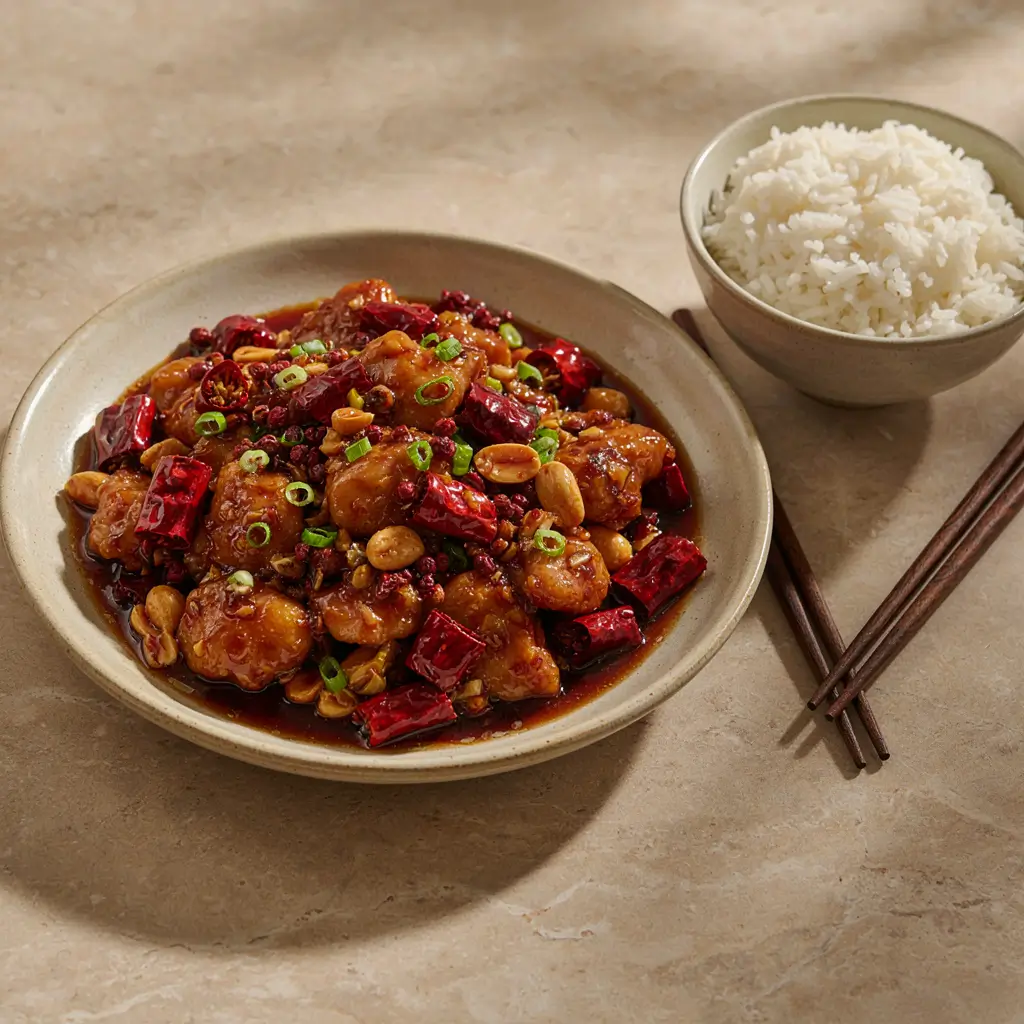
Kung Pao chicken brings together tender pieces of chicken, dried chiles, peanuts, and a savory sauce with a balance of salty, sweet, sour, and spicy notes.
Its appeal comes from contrast: the chicken is tender, the peanuts provide crunch, and the chiles give the dish a distinct heat.
A Sichuan-style version may also include Sichuan peppercorn for its characteristic numbing, citrusy sensation.
Serve it with steamed white rice so the sauce remains the focus. For a milder dinner, reduce the chile component without removing the ginger, garlic, and scallion base that defines the dish.
Beef and Broccoli
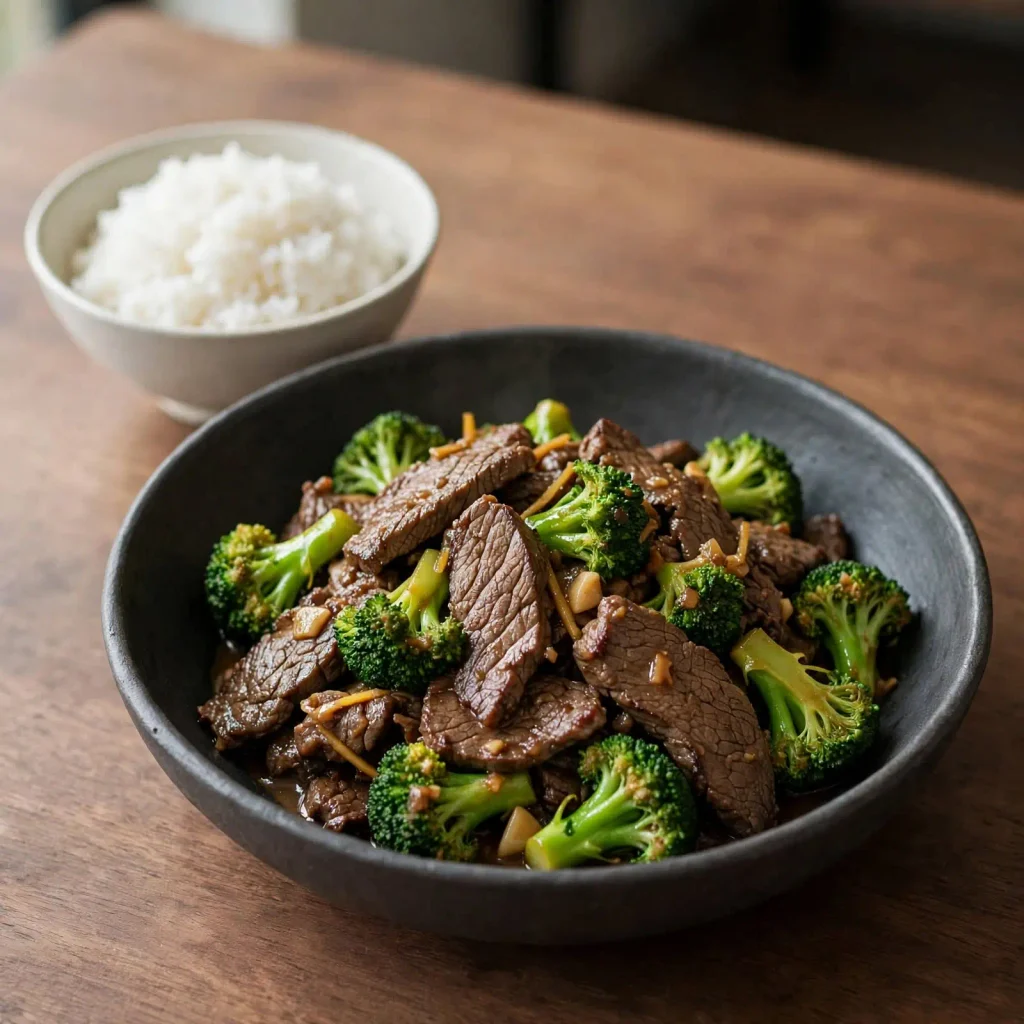
Beef and broccoli is a straightforward choice when you want a familiar, savory dinner without a complicated flavor profile.
Thinly sliced beef develops browned edges quickly in a hot pan, while broccoli provides a fresh, slightly bitter contrast to the rich sauce.
Garlic and ginger give the dish aromatic depth without overwhelming the beef. Steamed rice makes an easy accompaniment, although the mixture can also work with noodles.
For the best texture, the beef benefits from being sliced thinly across the grain and cooked quickly rather than slowly simmered.
Vegetable Chow Mein
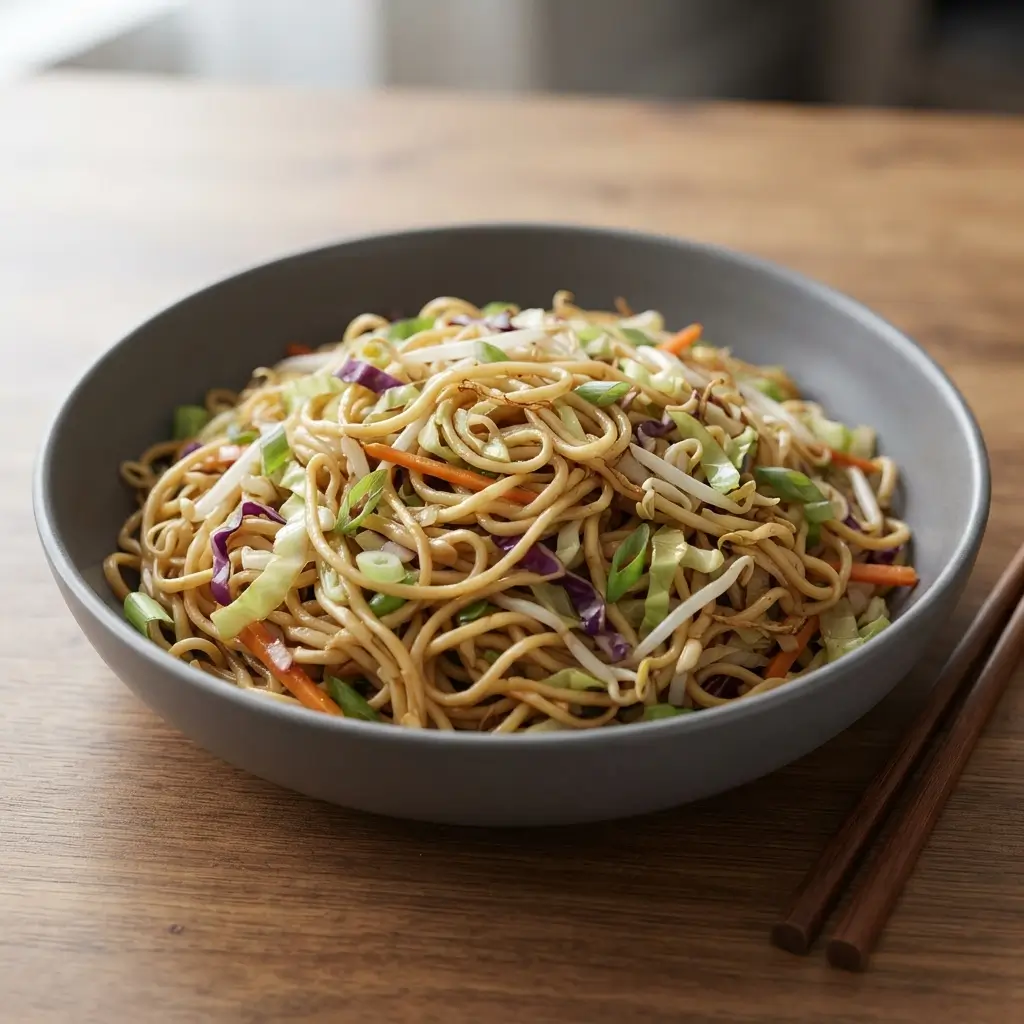
Vegetable chow mein puts the noodles at the center of dinner, making it a useful option when you want something more substantial than a vegetable side dish.
The noodles are tossed with vegetables and a savory seasoning so that each strand picks up flavor without becoming heavily coated.
Cabbage, carrots, scallions, and bean sprouts can provide contrasting textures, although the vegetable combination can be adapted to what is available.
A hot wok or wide skillet helps keep the vegetables lively and prevents the noodles from turning soft and crowded.
Mapo Tofu
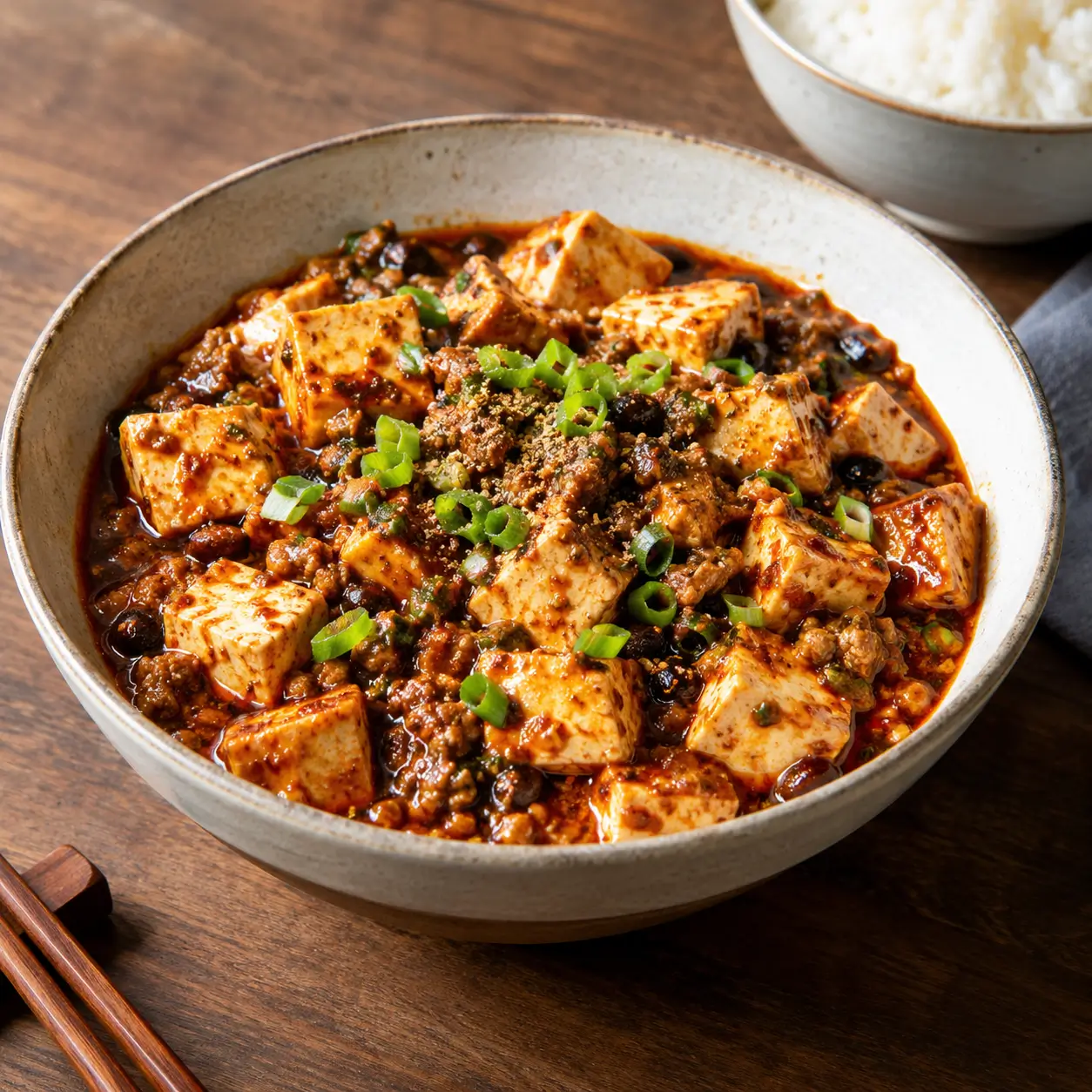
Mapo tofu offers a completely different direction from mild stir-fry dishes.
Soft tofu is paired with a deeply seasoned sauce traditionally associated with Sichuan cooking, often featuring chile, Sichuan peppercorn, and fermented bean-based seasoning.
Ground meat may be included, although meatless versions are also common. The defining contrast is between the delicate tofu and the assertive, aromatic sauce.
Steamed rice is an especially useful accompaniment because it balances the intensity of the seasoning.
This is a good choice when you want a plant-forward dinner with considerably more character than a basic vegetable stir-fry.
Ginger-Scallion Steamed Fish
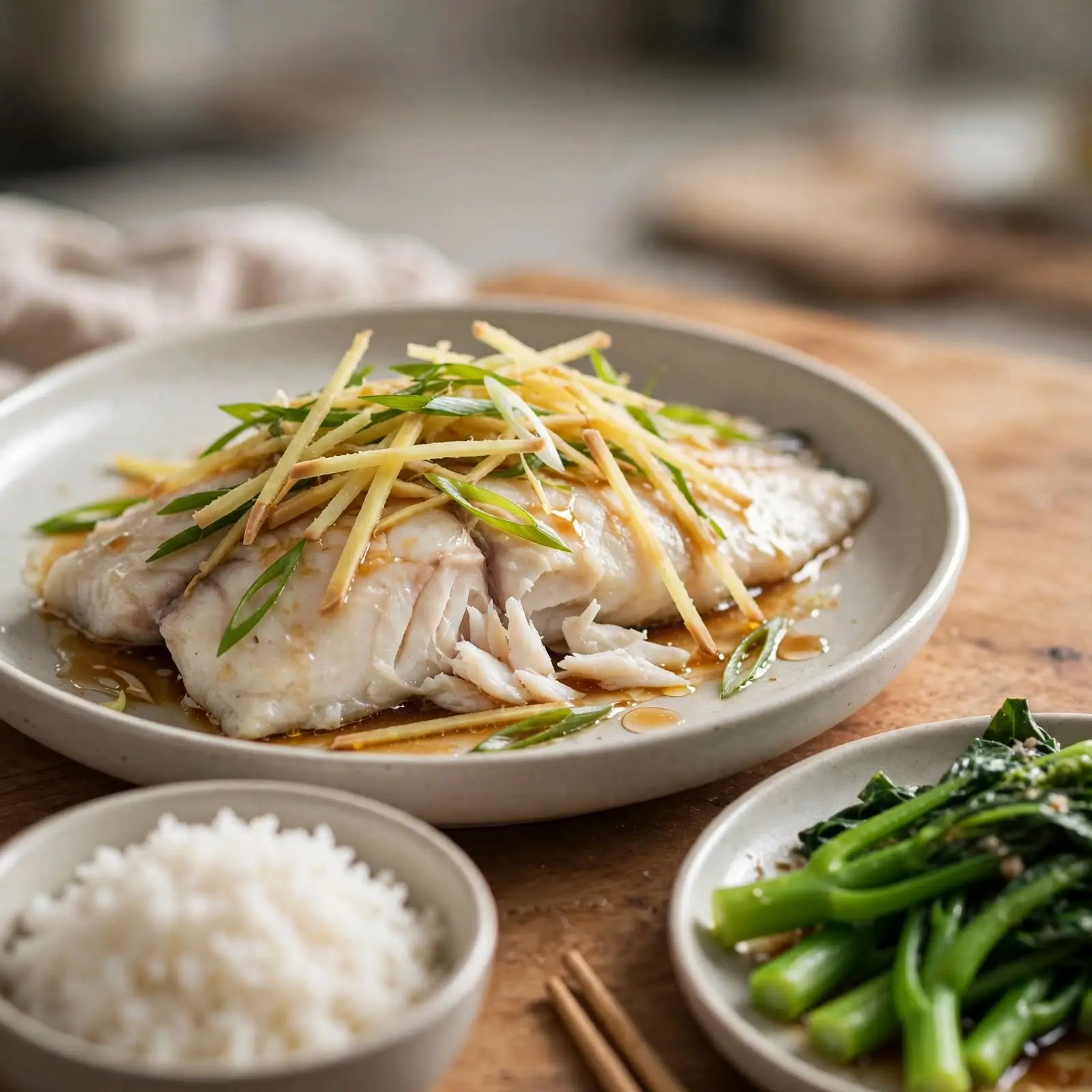
Steaming keeps fish delicate and lets ginger and scallions provide the main aromatic character.
A whole fish is traditional in some preparations, although fillets can make the concept more approachable for a home dinner. Fresh ginger adds warmth without chile heat, while scallions bring a clean onion flavor.
A light savory seasoning complements rather than masks the fish. Serve it with steamed rice and a simple green vegetable.
Because the dish depends on the fish itself, choose a mild, fresh-tasting variety with flesh that holds together well during steaming.
Beef Fried Rice
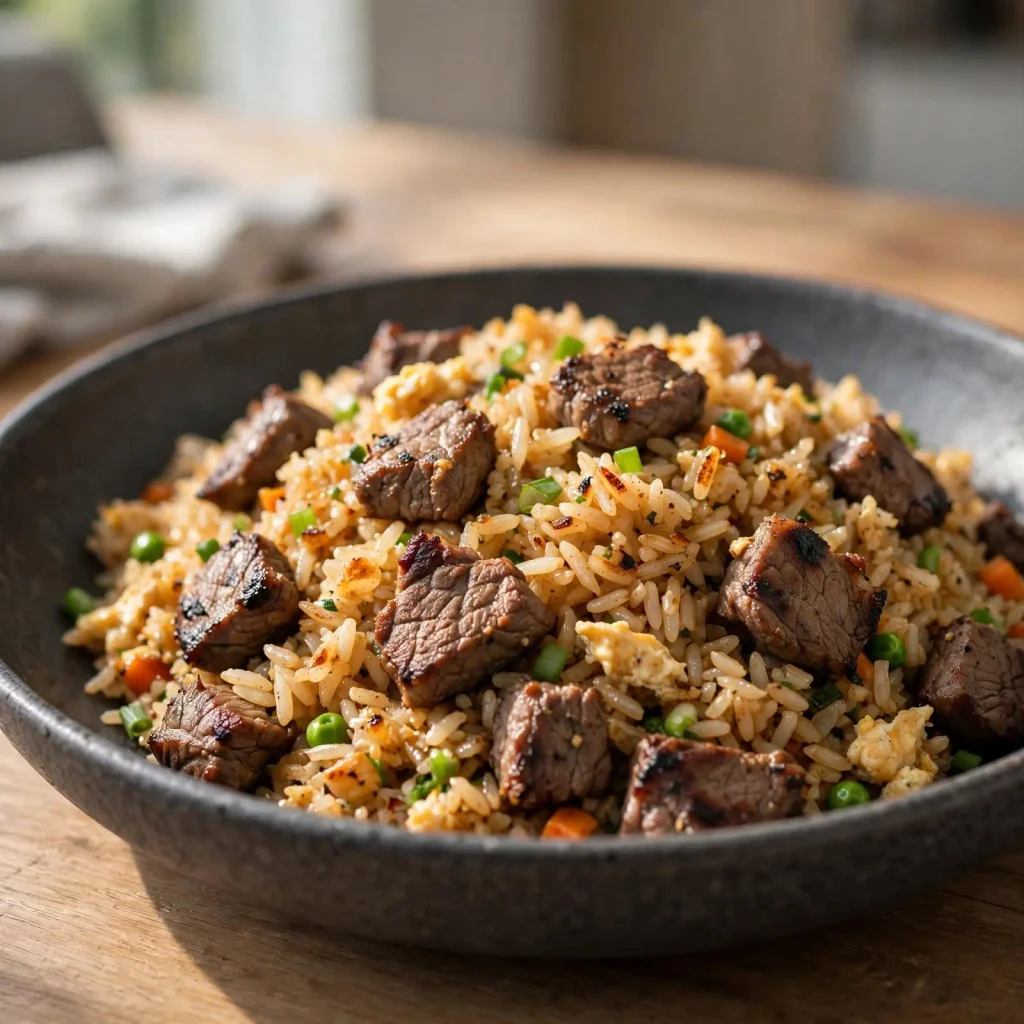
Beef fried rice turns cooked rice into a complete dinner with browned beef, vegetables, aromatics, and savory seasoning.
It is particularly useful when you have leftover cooked rice that has had time to firm up, since drier grains are easier to separate during high-heat cooking.
Small pieces of beef can brown quickly before being combined with the rice and other ingredients.
Eggs can add richness and additional texture, although the dish does not need to be overloaded with components.
The goal is distinct grains of rice with enough seasoning to tie the beef and vegetables together.
Sweet-and-Sour Pork
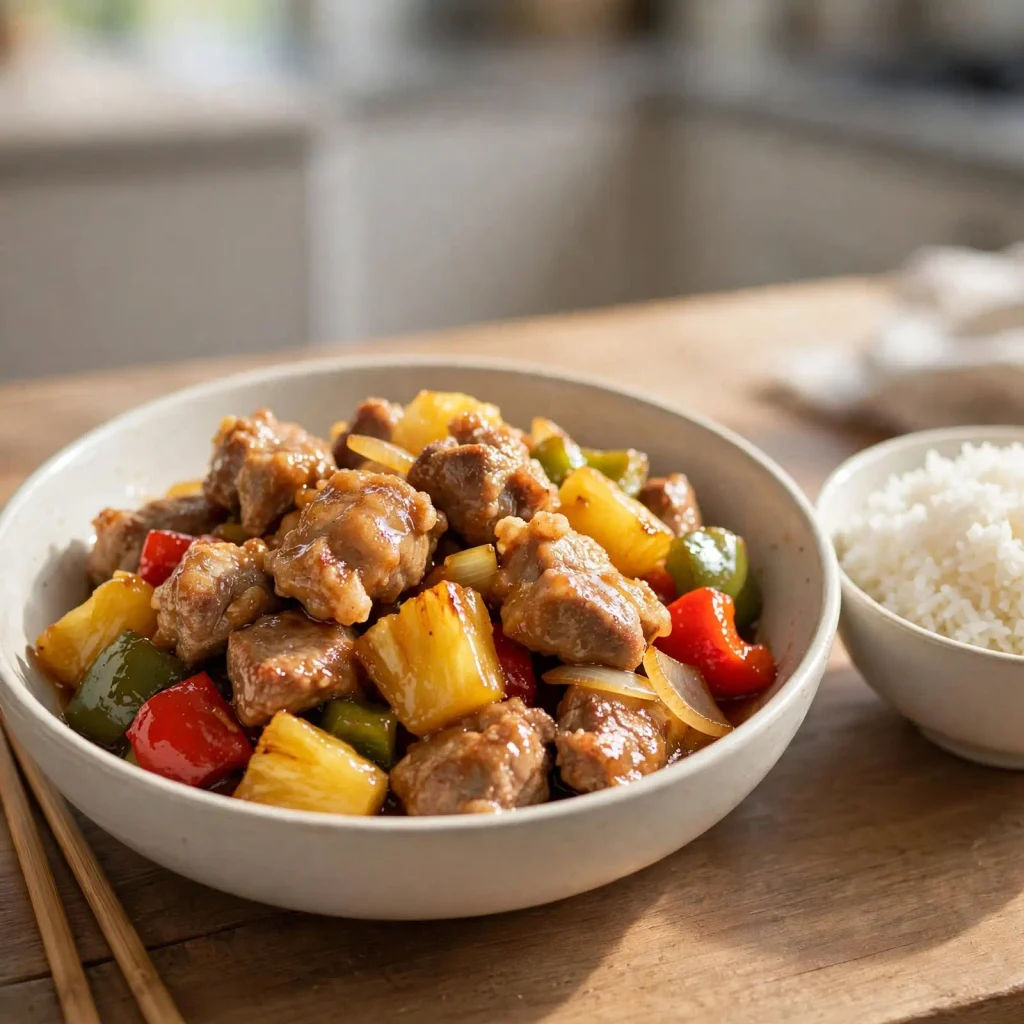
Sweet-and-sour pork provides a pronounced contrast between tangy acidity and sweetness, with crisp pork adding another layer of texture.
The sauce is what distinguishes this dish from the many savory stir-fries in a Chinese dinner collection.
Pineapple and bell pepper are common companions in Chinese-American versions, contributing acidity, sweetness, and color.
Rice helps temper the stronger sauce and makes the dish more substantial. For a less heavy approach, the pork can be prepared with a lighter coating rather than relying on an especially thick crust.
Garlic Eggplant
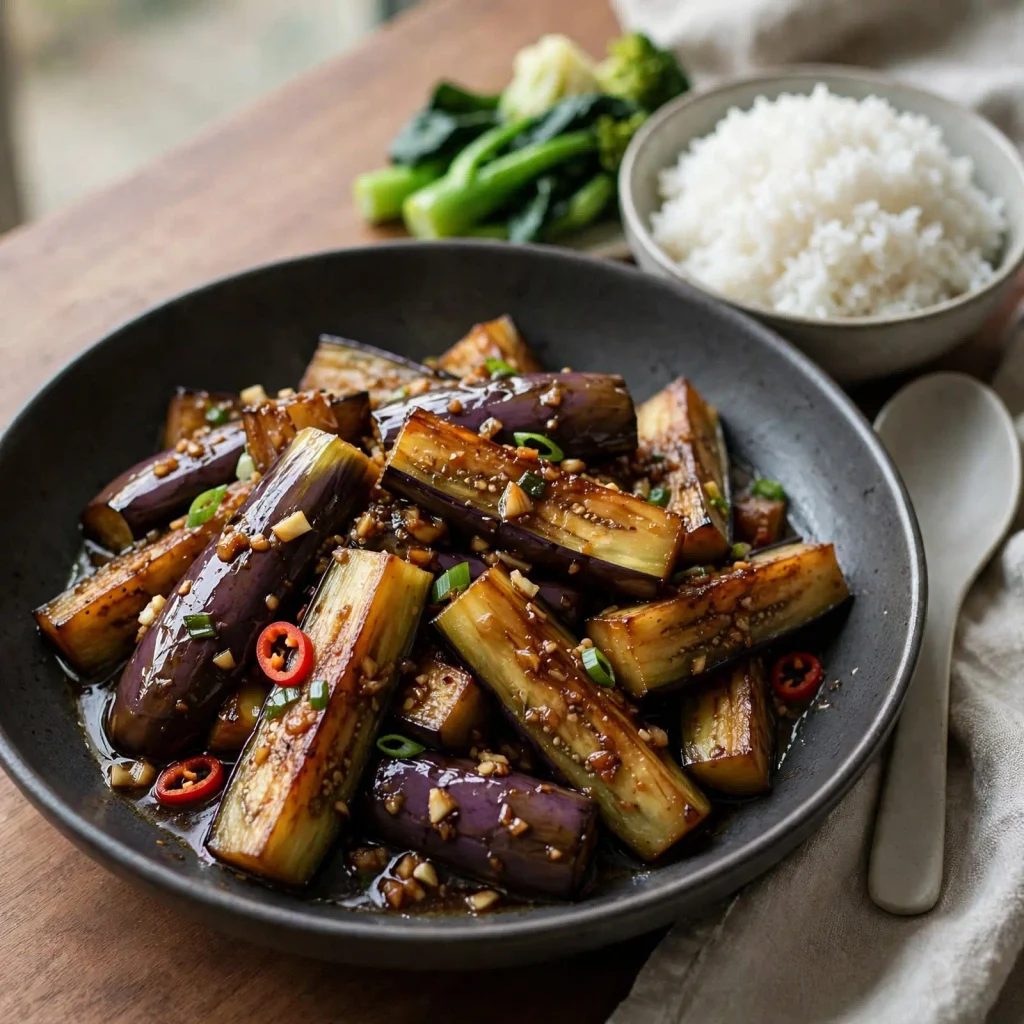
Garlic eggplant is a strong vegetarian choice for anyone who wants dinner built around a vegetable rather than meat or noodles.
Eggplant becomes tender and absorbs seasoning readily, making it particularly suited to a fragrant garlic-based sauce.
Ginger, scallions, chile, or fermented seasonings can add further depth depending on the preparation.
The finished dish should retain enough structure that the eggplant is tender rather than watery or collapsed. Serve it with steamed rice and another simple vegetable for a satisfying plant-based meal.
Black Pepper Beef
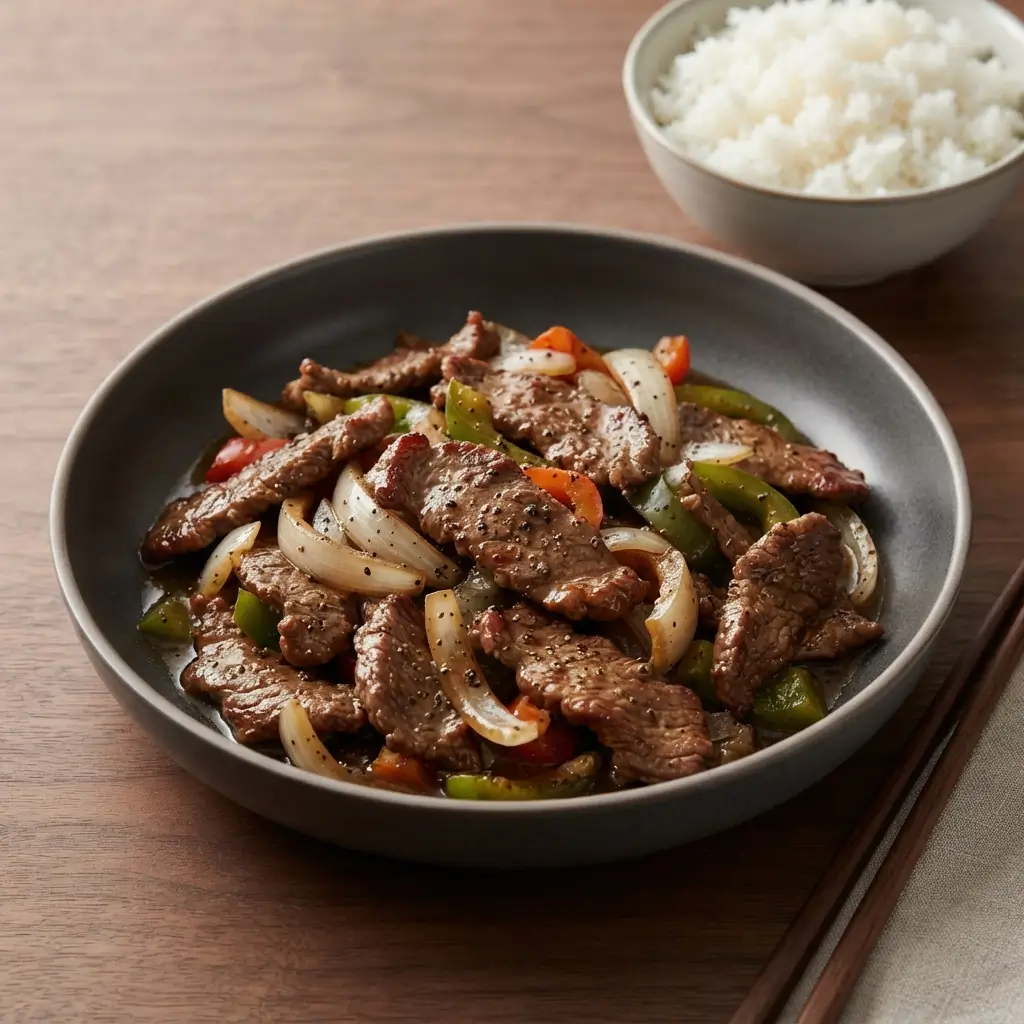
Black pepper beef has a darker, more assertive character than a lighter ginger-and-scallion stir-fry.
Thinly sliced beef is cooked over high heat so its edges can brown before being combined with onions or peppers and a savory black-pepper sauce.
Freshly ground black pepper gives the dish a sharper aroma and more noticeable heat than ordinary background seasoning.
Rice is the natural partner, although the beef can also be served over noodles. This is a particularly good choice when you want a beef dinner with bold seasoning but do not want a chile-heavy dish.
Vegetable Fried Rice
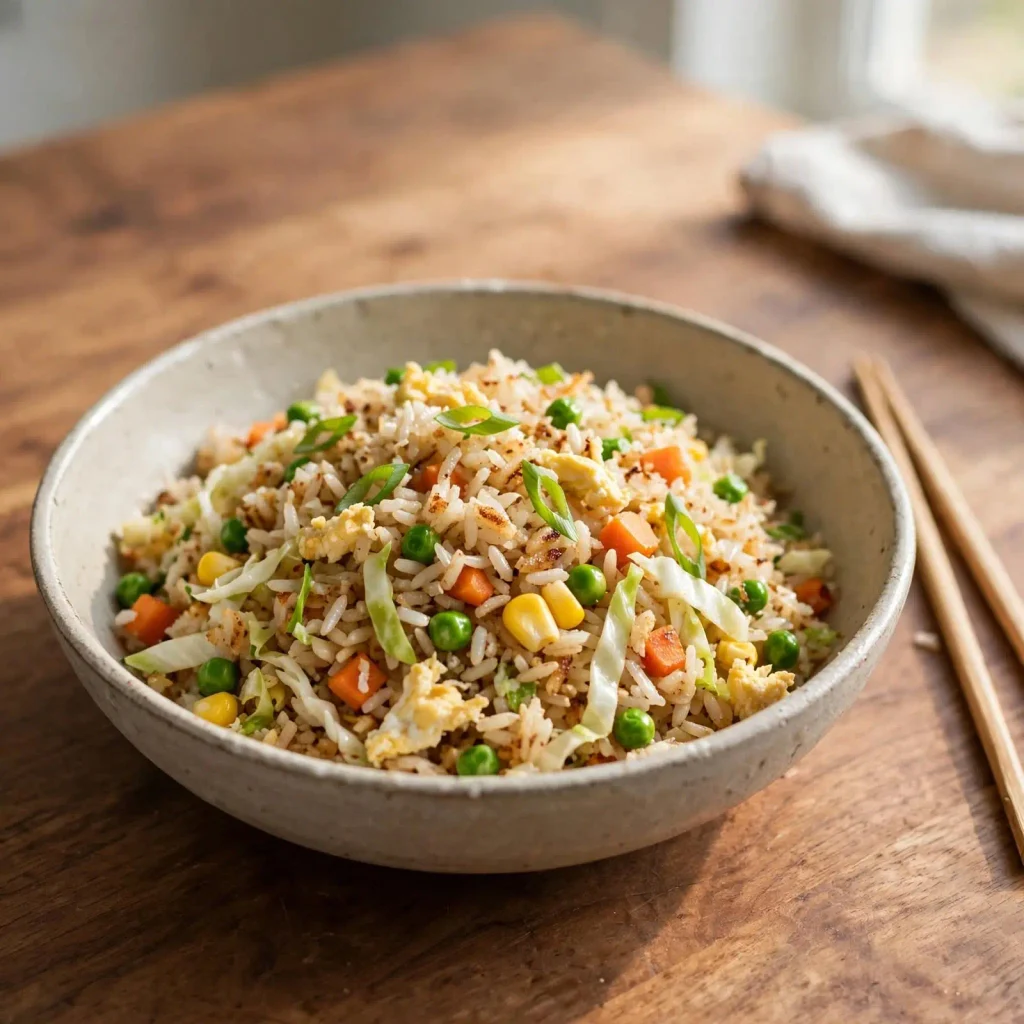
Vegetable fried rice is one of the most adaptable meatless dinners in the collection.
Cooked rice is quickly fried with vegetables and aromatics, allowing the grains to take on savory flavor while retaining their individual texture.
Carrots, peas, corn, scallions, and cabbage can all work, but the best version does not need a long list of vegetables.
Eggs can make it more substantial, or tofu can provide additional protein for a fully plant-based variation. It also makes practical use of leftover rice and can be adjusted easily to suit what is already in the refrigerator.
Char Siu-Style Pork
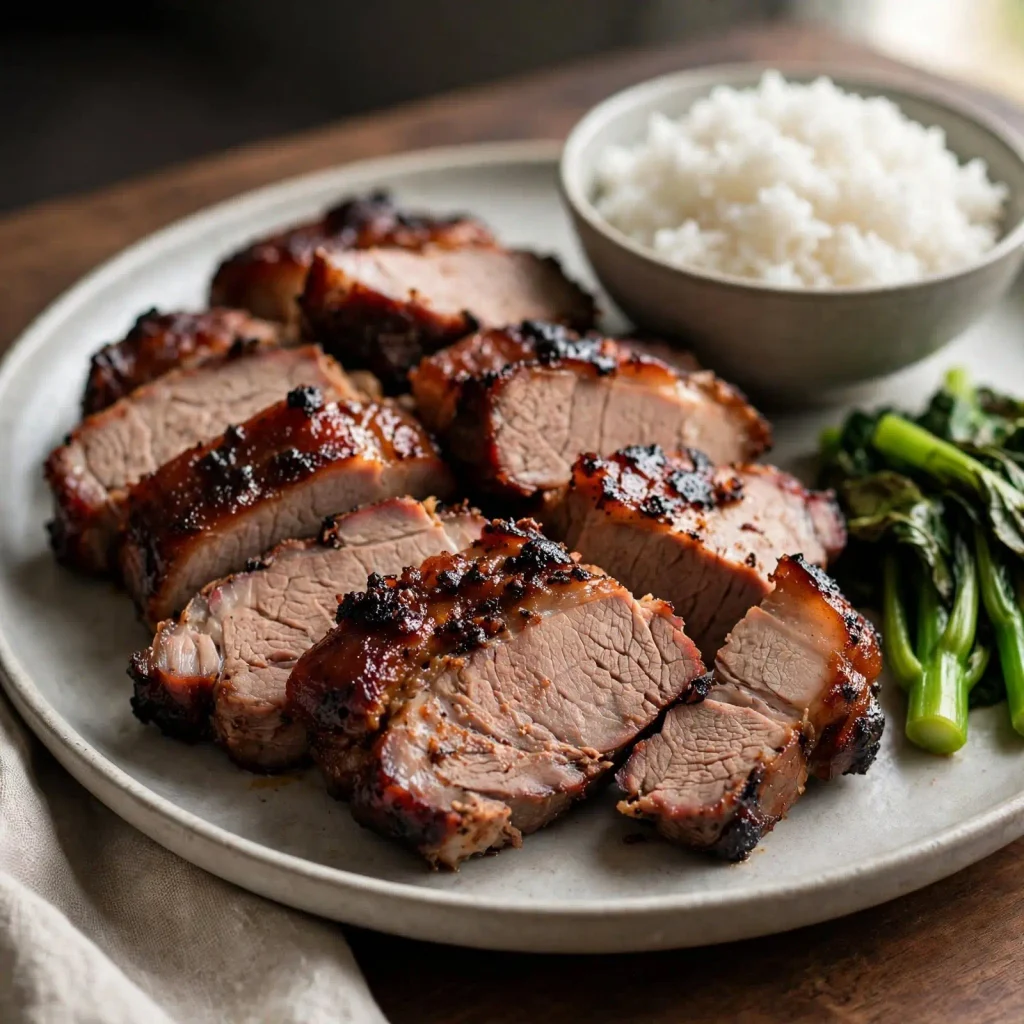
Char siu-style pork stands apart through its roasted preparation and distinctive glossy seasoning.
The pork is marinated and cooked until the exterior develops a deeply colored, sweet-savory coating while the interior remains tender.
Five-spice, soy-based seasonings, aromatics, and a sweet glaze contribute to its recognizable character. It can be sliced and served with steamed rice and greens, or used as part of a larger noodle or rice meal.
Because the flavor is concentrated in the roasted exterior, this dish provides a useful alternative to recipes built around wok-fried sauces.
Shrimp with Garlic and Scallions
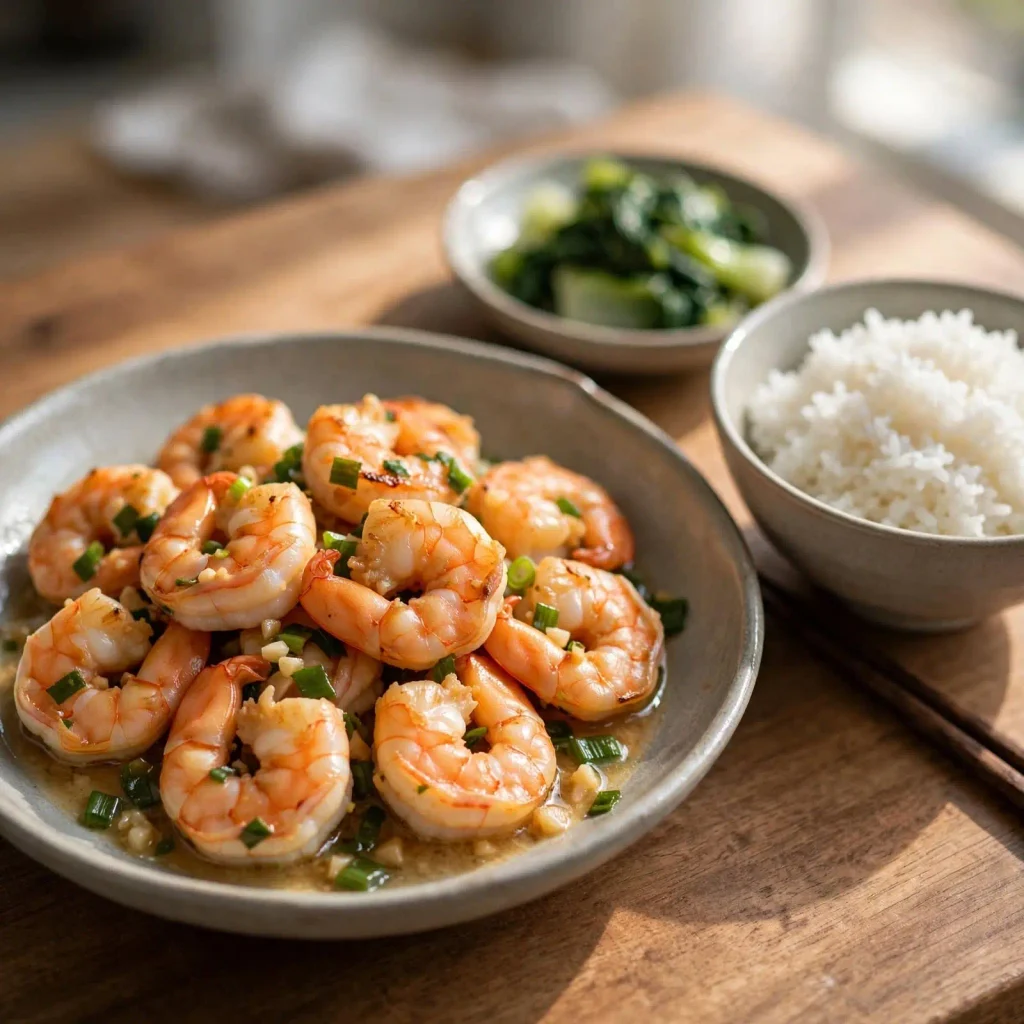
Shrimp cooks quickly, making it a practical seafood dinner when you want a meal that does not require prolonged preparation.
Garlic and scallions give the shrimp an aromatic foundation, while a light savory sauce keeps the seafood at the center of the dish. The shrimp should remain tender rather than becoming rubbery from overcooking.
Steamed rice is a simple pairing, and lightly cooked greens can complete the meal without competing with the seafood.
This is also a useful option when you want something lighter and fresher than a heavily coated or fried seafood dish.
Vegetable Lo Mein
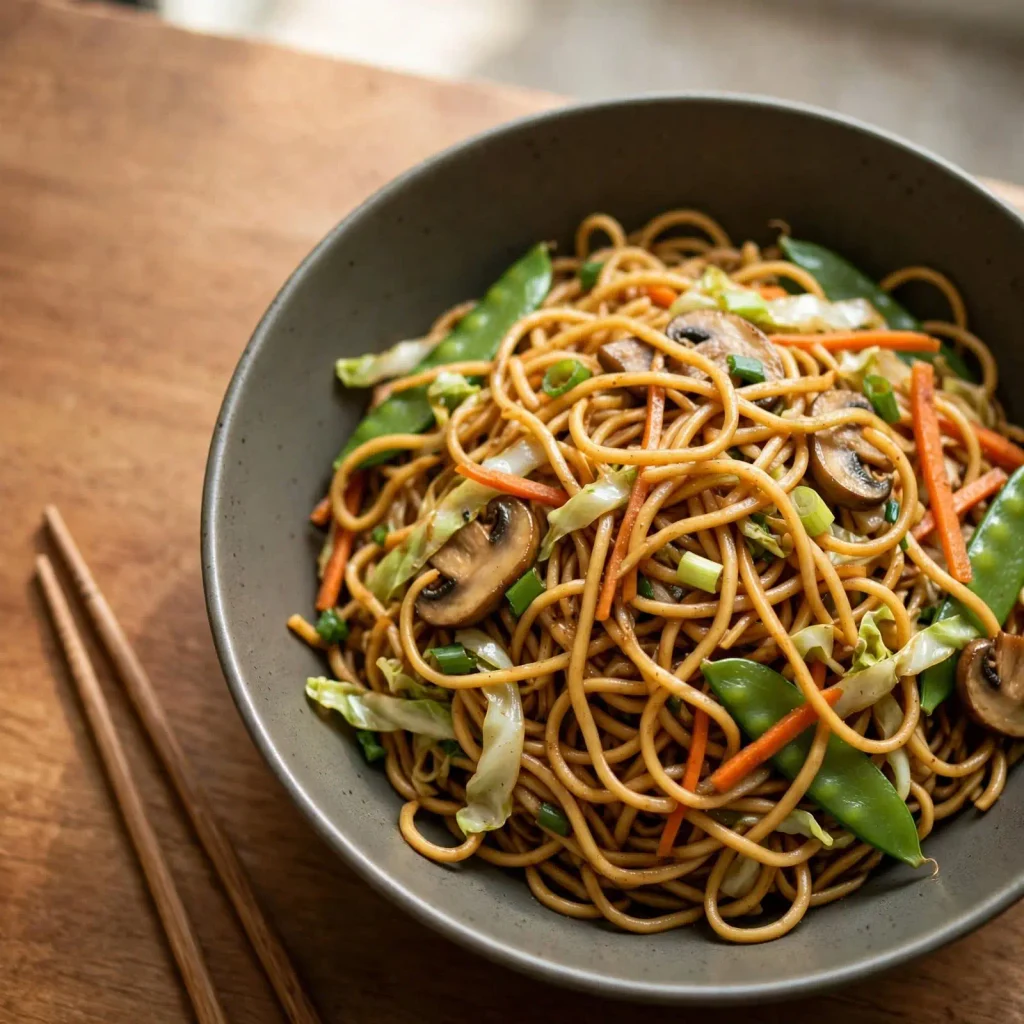
Vegetable lo mein is a noodle-centered dinner with a softer, more substantial texture than chow mein.
The cooked noodles are tossed with vegetables and savory seasoning, allowing the sauce to cling to the noodles while still leaving their texture apparent.
Mushrooms, cabbage, carrots, snow peas, and scallions can create useful variation without turning the dish into an overloaded vegetable medley.
It works particularly well as a flexible weeknight meal because the vegetables can be adapted to what is available. Tofu can also be added when more plant-based protein is wanted.
Twice-Cooked Pork
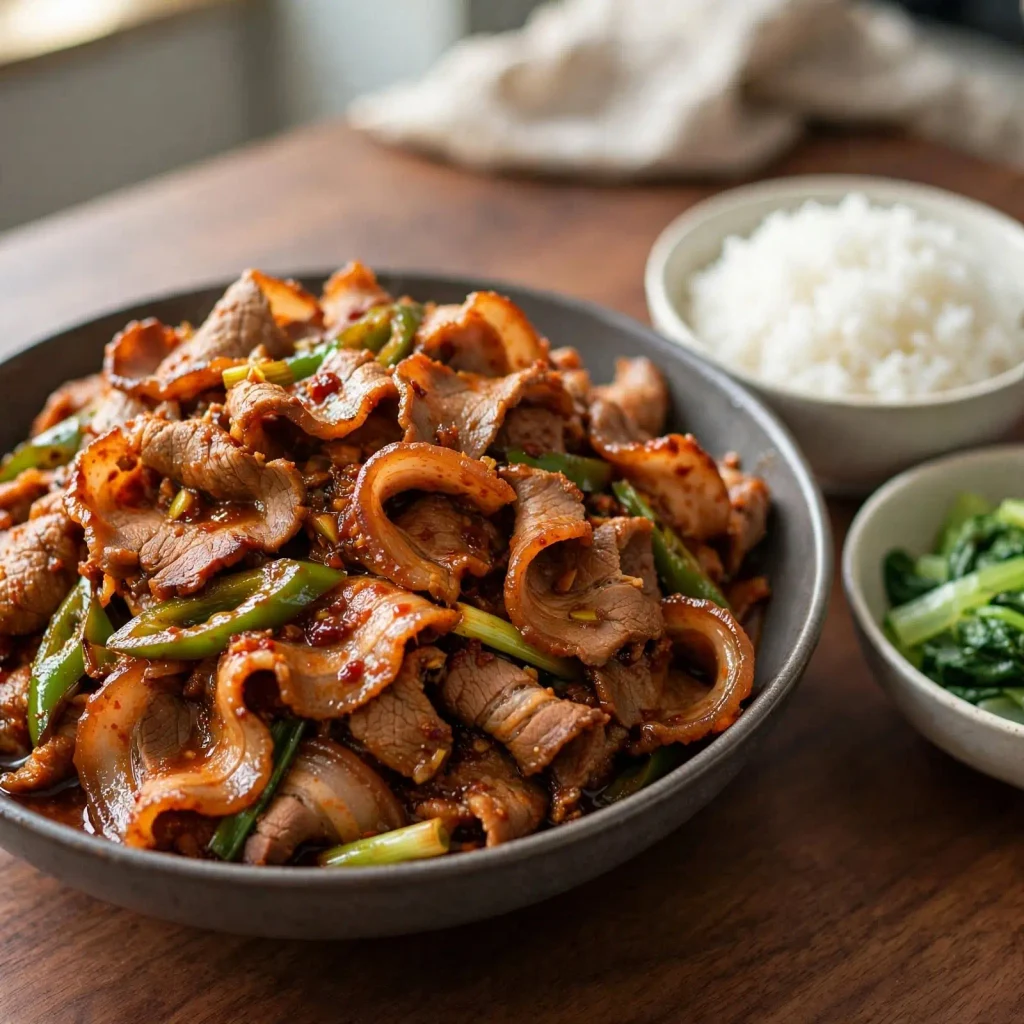
Pork belly is first simmered until tender, sliced thin, and then flash-stir-fried in a wok with garlic, fermented black beans, leeks, and spicy doubanjiang paste.
The second cooking step renders excess fat and allows the pork to curl and absorb the robust, savory seasonings.
This Sichuan favorite offers rich textures and complex umami depth, pairing best with a large bowl of plain white rice.
Cantonese-Style Ginger-Scallion Chicken
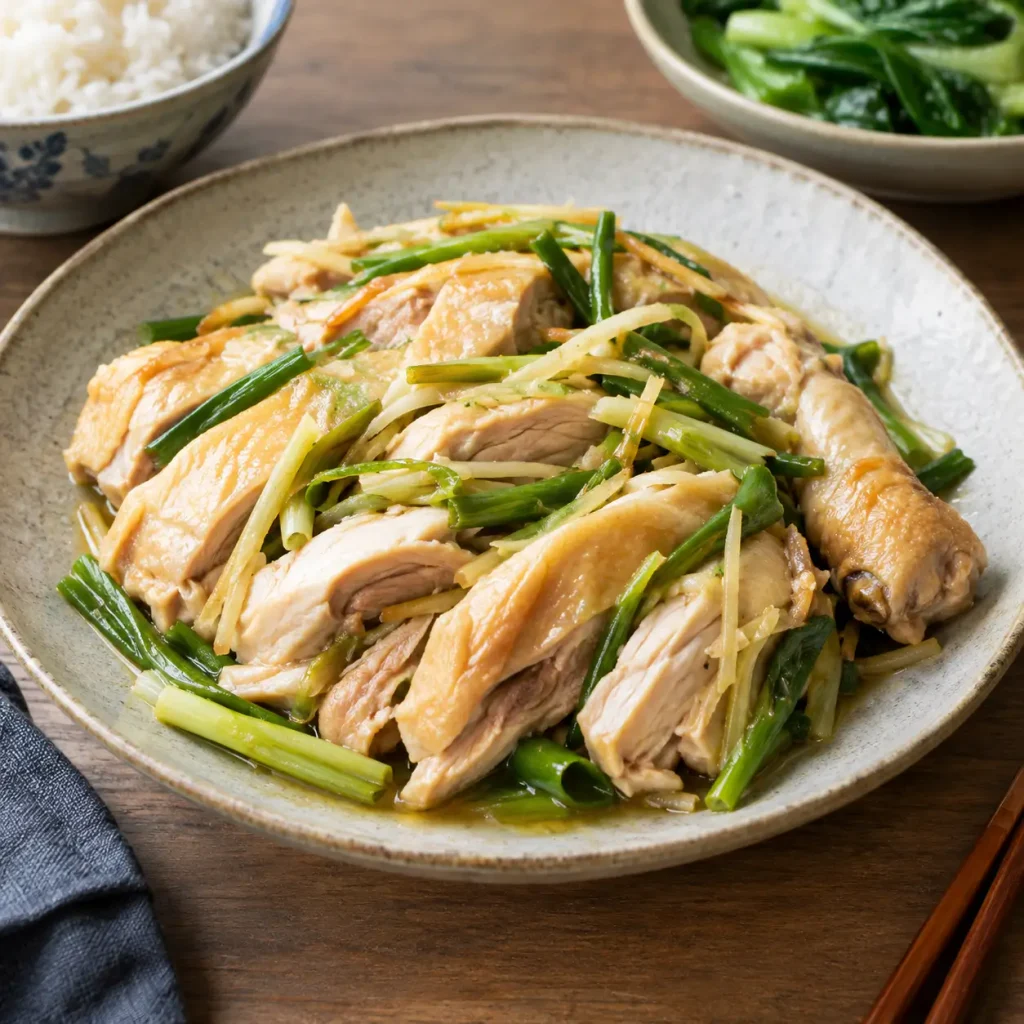
A whole fish or fillets can be steamed with ginger and scallions for a dinner built around delicate flavor and a clean texture.
Steaming preserves the moisture of the fish, and the ginger and scallions provide the main aromatic character.
A light savory seasoning finishes the dish without masking the fish itself. Serve it with steamed rice and a simple green vegetable.
This preparation suits fish that cooks gently and evenly, making freshness and careful steaming more important than a long ingredient list.
Yangzhou-Style Fried Rice
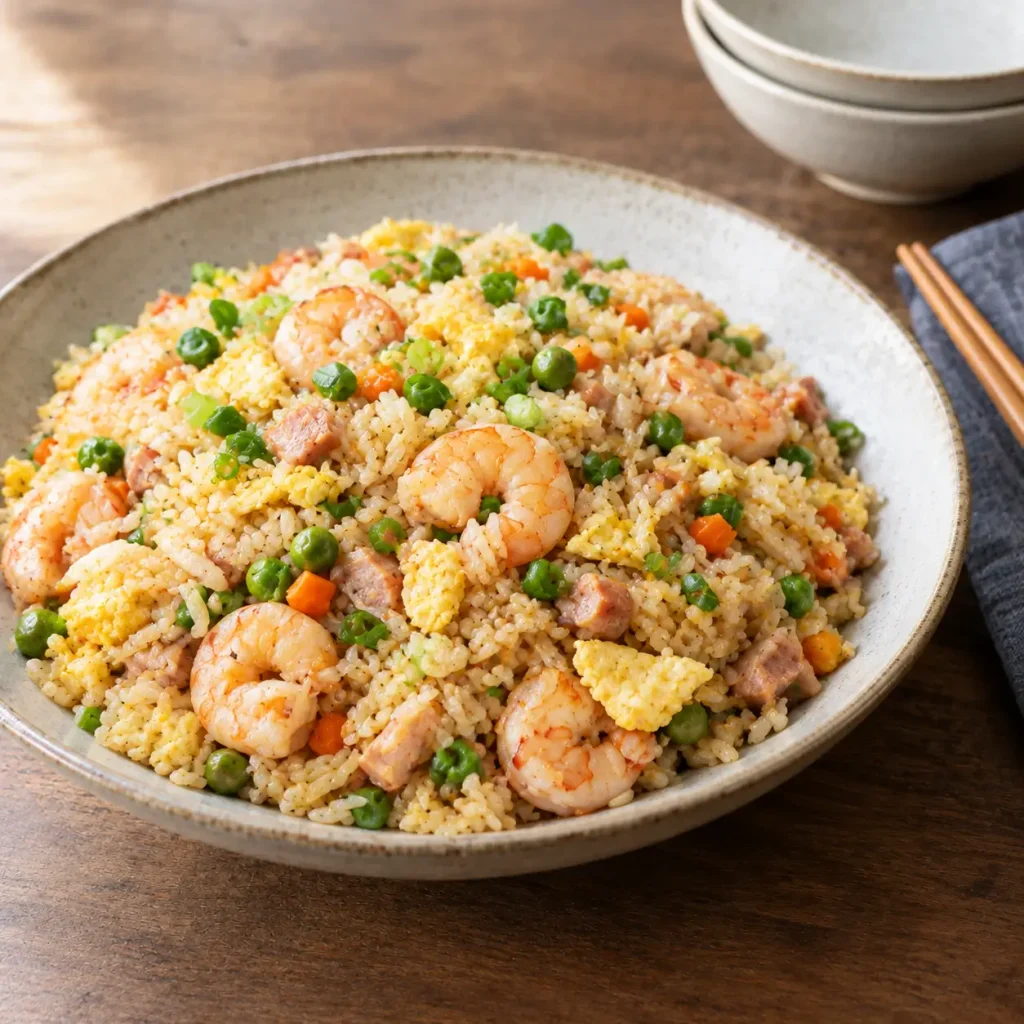
Yangzhou-style fried rice provides a more composed approach to fried rice, traditionally combining rice with several finely prepared ingredients rather than simply mixing rice with whatever vegetables happen to be available.
Depending on the preparation, these can include egg, shrimp, pork, and vegetables cut into small, distinct pieces.
The appeal is balance: the rice remains central while the additional ingredients contribute small bursts of flavor and texture.
It is substantial enough to serve on its own and works especially well when you want a rice-based dinner that feels more varied than a basic vegetable fried rice.
Tomato and Egg Stir-Fry
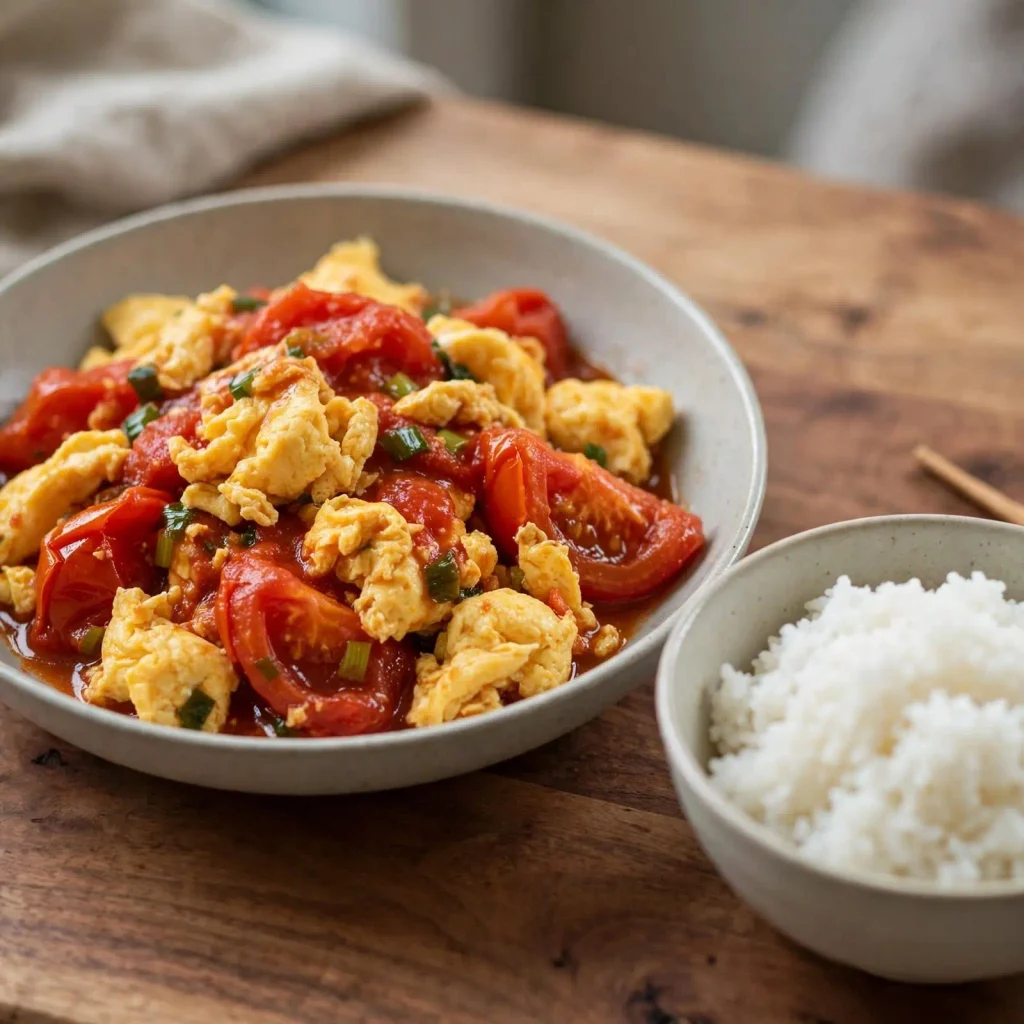
Juicy wedges of fresh tomatoes are gently scrambled with soft, tender eggs in a comforting, homestyle dish seasoned lightly with scallions and a pinch of sugar.
The tomatoes break down slightly to create a savory, naturally tangy sauce that coats the creamy eggs.
Served hot over a bowl of steamed rice, it is a quick, budget-friendly meal that requires only basic pantry ingredients.
Pork and Cabbage Dumplings
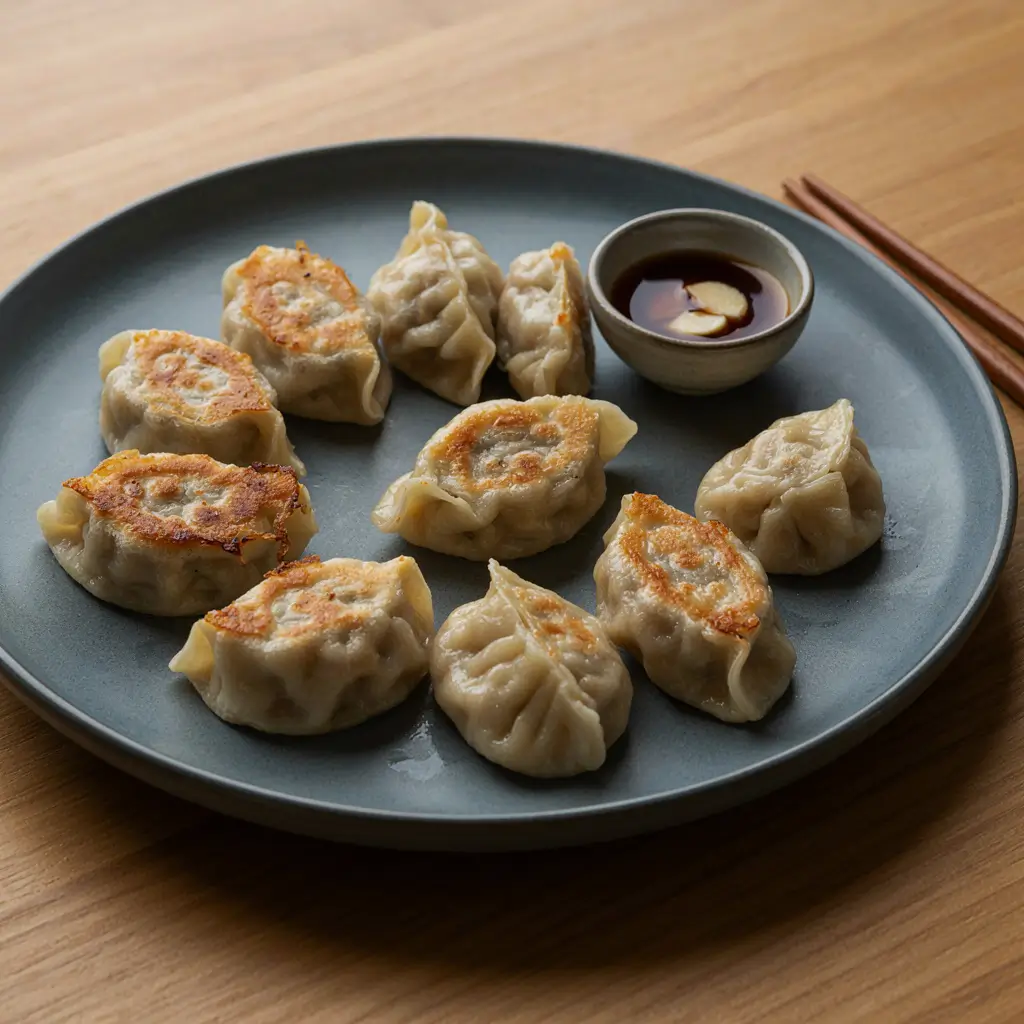
Ground pork and finely minced napa cabbage are seasoned with ginger, soy sauce, and sesame oil, then wrapped in thin dumpling wrappers and pan-fried until golden before steaming with a splash of water.
The base develops a crisp, lacy crust while the interior stays tender and juicy. Served with a simple dipping sauce of Chinkiang vinegar and sliced fresh ginger, they make an engaging weekend dinner project.
Sichuan Dan Dan Noodles
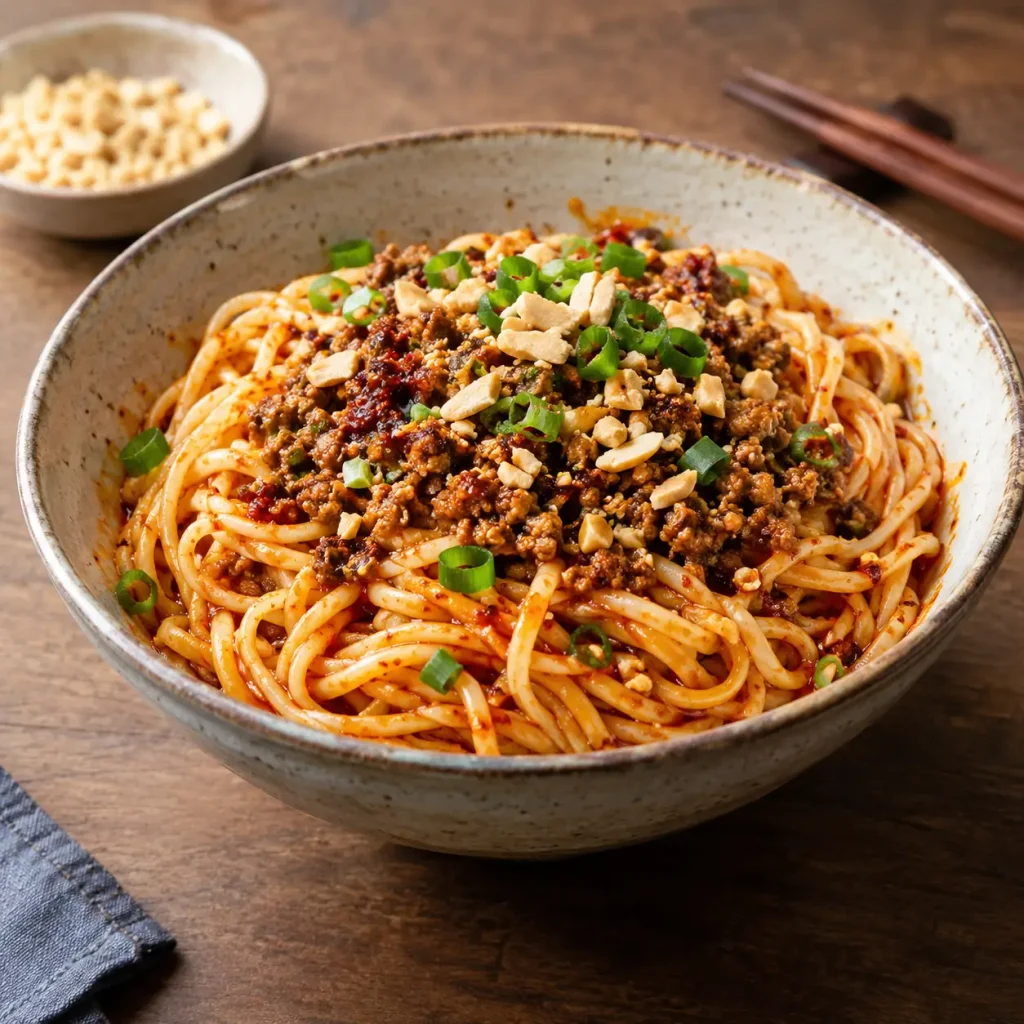
Fresh wheat noodles are coated in a rich, savory sauce made from toasted sesame paste, chili oil, Sichuan peppercorn powder, soy sauce, and dark Chinese vinegar, then topped with spiced minced pork and crushed peanuts.
The sauce delivers a complex interplay of nutty, spicy, and tangy notes that cling to every strand. Tossed together just before serving, it offers a bold, aromatic noodle dinner with distinct regional character.
Easy Chinese Dinner Recipes for Busy Weeknights
When time is short, certain dishes from the collection stand out for their speed and simplicity.
High-heat stir-fries like Beef and Broccoli, Kung Pao Chicken, and Black Pepper Beef come together in a single pan within twenty minutes, making them ideal for weeknight schedules.
Tomato and Egg Stir-Fry relies entirely on basic pantry staples and fresh eggs for an effortless meatless meal, while Yangzhou-Style Fried Rice turns leftover cold rice into a complete, one-pan dinner with minimal cleanup.
A thoughtful selection of Chinese dinner recipes transforms weeknight cooking into an opportunity to explore varied textures, aromatic spice blends, and distinct regional techniques.
By matching the right cooking method – whether high-heat stir-frying, gentle steaming, or savory braising – to your schedule and cravings, homemade Chinese dinners become both practical and deeply rewarding.
Conclusion
These Chinese dinner recipes cover a broad range of flavors, textures, ingredients, and cooking methods, making it easier to choose a dish that matches the kind of dinner you want.
A quick fried-rice or noodle dish can suit a busy evening, while steamed fish, roasted pork, tofu, or a more strongly seasoned regional preparation offers a different experience.
Start with the ingredient or flavor you are craving, then choose the recipe that best fits the time and ingredients you have available.