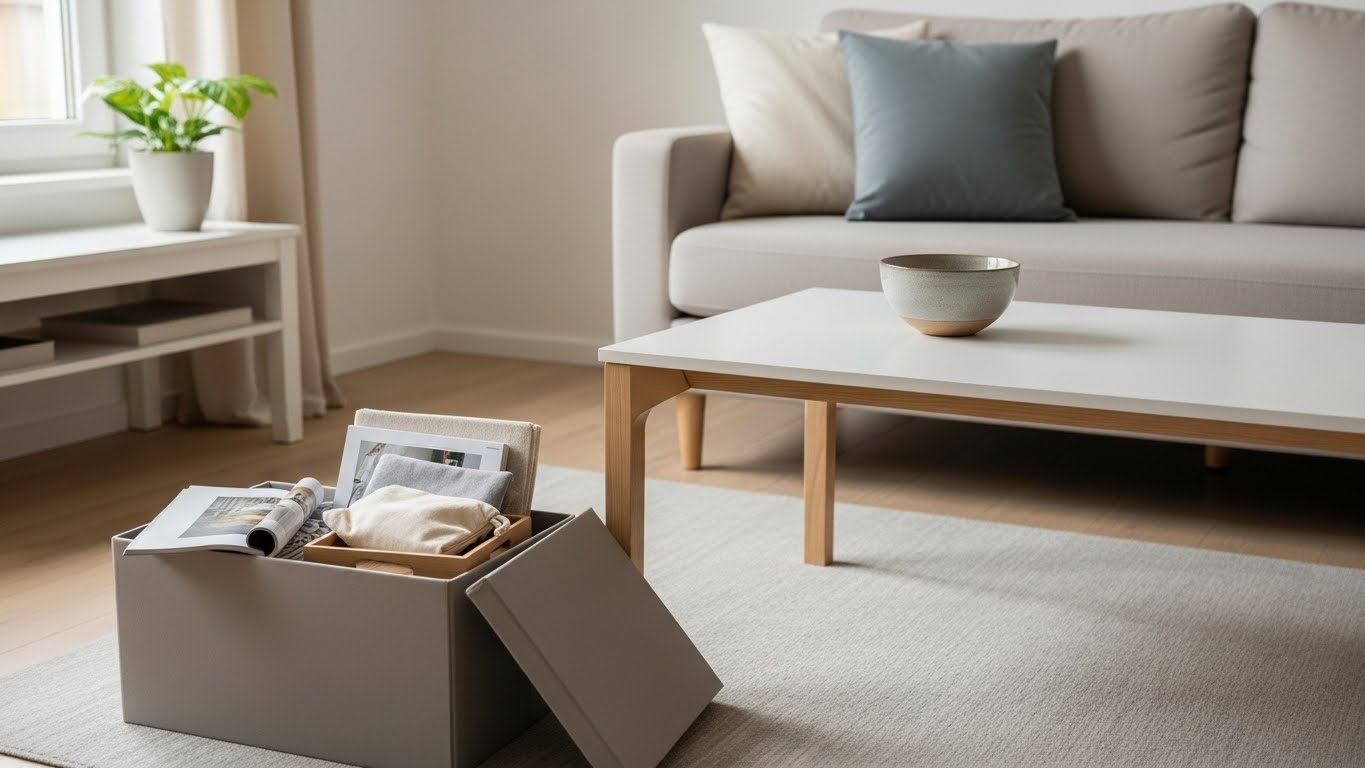
At the start of a new year, clutter feels louder. Papers you ignored all year suddenly feel overwhelming. Closets feel heavier. Digital mess feels exhausting instead of invisible. A new year declutter reset isn’t about suddenly wanting less, it’s about wanting relief.
Clutter carries memory, obligation, and unfinished decisions. When the year turns, those unfinished pieces become harder to ignore. You’re not craving empty shelves or minimalist rooms. You’re craving clarity; mental, emotional, and functional.
This reset isn’t about becoming ruthless or starting from zero. It’s about removing what creates constant mental noise so your space and your mind can breathe again.
Why Decluttering Feels Emotional at the Start of the Year
Decluttering is never just physical. At the start of the year, it becomes emotional because it intersects with reflection, memory, and identity. A new year declutter reset often brings up feelings that have less to do with the items themselves and more to do with what they represent.
1. The Weight of Unfinished Chapters
Many items hold stories of things that didn’t unfold as planned; goals left incomplete, versions of yourself you’ve outgrown, or paths you didn’t take. When the year changes, these objects quietly ask for resolution.
That’s why a new year declutter reset can feel draining for some and deeply freeing for others: it brings unresolved decisions into clearer focus.
2. Clutter as Deferred Decisions
Clutter is often the result of postponed choices. Each pile or crowded drawer carries quiet thoughts like “I’ll deal with this later” or “I might need this someday.”
At the beginning of the year, those deferred decisions feel heavier because they compete with the desire for a clean slate. Decluttering reduces that pressure by closing loops, one small decision at a time.
3. Identity Shifts Become Visible
Decluttering also asks for honesty. It invites you to consider whether what you own still reflects who you are now, not who you were when you acquired it.
This can surface mixed emotions; guilt over money spent, grief for past versions of yourself, or relief at letting go. All of it is normal. Decluttering isn’t about erasing the past; it’s about making room for the present.
Decluttering vs Organizing (Why This Distinction Matters)
This distinction is one of the most important to understand during a new year declutter reset. Decluttering and organizing serve different roles, and confusing them often leads to frustration.
Decluttering is about removing what no longer supports your life. Organizing is about arranging what remains so it’s easier to use. When people try to organize without decluttering first, they end up building systems around excess. The result may look neat, but it feels heavy and difficult to maintain.
Why Organizing Without Decluttering Fails
Organizing clutter creates crowded systems that fill up quickly and demand constant effort. Storage becomes strained, maintenance feels exhausting, and order never quite lasts. Instead of creating ease, you’re managing more than you need.
A new year declutter reset prioritizes removal first, then uses organization only where it genuinely adds function.
Decluttering Is About Function, Not Minimalism
Decluttering isn’t about owning less for the sake of less; it’s about keeping what fits your life now. Useful decluttering questions focus on function: whether something is used, whether it supports current routines, and whether it creates ease or friction. Minimalism is a lifestyle choice.
The Zones That Create the Most Mental Noise
Not all clutter affects you equally. Some areas create constant background stress, even when you’re not actively engaging with them. These zones tend to hold unresolved decisions, delayed responsibilities, or emotional weight; which is why they feel so mentally loud.
1. Paper Clutter: The Invisible Stressor
Paper clutter carries a unique kind of pressure. Bills, school documents, manuals, and loose notes all represent things that need attention, which is why even small piles can feel heavy.
When paper accumulates without a clear system, it creates background anxiety tied to forgotten tasks or unfinished obligations. Clearing this zone often brings immediate mental relief because it reduces the sense of something constantly being overlooked.
2. Closets: Identity and Daily Friction
Closets quietly shape your mornings. When they’re overloaded with items that no longer fit your body, lifestyle, or current season of life, decision fatigue builds fast. Clothing tied to past roles or “someday” versions of yourself can create guilt and frustration every time you get dressed.
A new year declutter reset here isn’t about minimalism or trends, it’s about making daily decisions easier by removing unnecessary friction.
3. Digital Clutter: The Modern Mess We Ignore
Digital clutter is easy to dismiss because it’s invisible, but it’s one of the most persistent sources of mental overload. Unread emails, disorganized files, endless photos, and too many open tabs all compete for attention.
This constant low-level distraction fragments focus and increases cognitive fatigue. Resetting digital clutter isn’t about inbox zero, it’s about reducing noise so your attention feels less scattered.
4. Storage Areas: The Out-of-Sight Burden
Storage spaces often hold unresolved intentions. Boxes of old projects, broken items, duplicates, and sentimental belongings sit quietly, but their presence is still felt. Even when hidden, this clutter represents decisions postponed and energy left unresolved.
Addressing storage areas during a new year declutter reset lifts that quiet pressure, freeing both physical space and mental bandwidth.
How to Do a New Year Declutter Reset Without Over-Decluttering
One of the biggest fears around decluttering is regret. That fear often leads to overthinking or avoiding the reset entirely. A sustainable new year declutter reset doesn’t rely on extremes. It focuses on creating clarity without triggering anxiety or loss.
1. You Don’t Need to Be Ruthless
Over-decluttering can backfire. It often leads to re-buying items later, feeling deprived, or experiencing emotional backlash once the initial momentum fades. Instead of forcing decisions, shift the questions you ask.
Focus on whether an item supports your life right now or whether its absence would even be noticed. Neutral questions create clarity without pressure.
2. Declutter in Layers, Not Sweeps
Decluttering works best when it happens in passes rather than all at once. Starting with obvious no-longer-needed items builds confidence and momentum. Later passes can address duplicates, rarely used things, and finally the more emotional “maybe” items.
This layered approach reduces decision fatigue and keeps the process manageable.
3. Keep Enough to Feel Safe and Supported
Decluttering should increase safety and ease – not anxiety. If removing something creates fear or discomfort, pause. Decluttering is not a test of willpower. It’s a process of alignment. A new year declutter reset succeeds when your space feels lighter and supportive.
Maintaining Clarity After the Reset
The goal of decluttering isn’t completion; it’s sustainability. Clarity lasts longer when less clutter enters in the first place.
Unplanned purchases, unmanaged paper, and unchecked digital inputs quietly undo progress, which is why reducing incoming clutter is often more effective than repeatedly clearing it out.
1. Reduce How Clutter Enters Your Space
Most clutter returns through everyday habits like impulse purchases, unmanaged paper, and unchecked digital subscriptions. Reducing how clutter enters your home is one of the most effective declutter reset strategies because it lowers the need for constant removal.
2. Use Simple Reset Rituals to Prevent Buildup
Small, repeatable reset habits make decluttering easier to sustain. Brief weekly surface resets, periodic paper reviews, and seasonal digital cleanups help maintain order without overwhelming effort. These simple routines support long-term clarity.
3. View Decluttering as an Ongoing Reset
Decluttering works best when treated as a continuous process rather than a one-time project. As life shifts, belongings and systems need realignment. A new year declutter reset becomes more effective and less emotional when it’s seen as ongoing maintenance instead of perfection.
How Decluttering Fits Into a Bigger Reset
Decluttering often acts as a gateway reset. When clutter is reduced, home systems function more smoothly, daily routines feel easier to maintain, and mental space opens up almost immediately.
This is why a declutter reset naturally supports a home reset or a routine reset; it creates the clarity that allows other systems to hold.
Conclusion: Decluttering as a Return to Clarity
A new year declutter reset isn’t about becoming someone new. It’s about removing what no longer belongs in your current life. Decluttering creates clarity – not just in your space, but in your mind. When excess is gone, decisions feel lighter. Energy returns. Focus improves.
You don’t need to declutter everything. You need to declutter what creates the most noise.
If you’re ready to continue your reset journey, return to New Year Reset: Where to Start and What to Reset First and choose the next area that feels supportive right now; not overwhelming.
Frequently Asked Questions
Q1. What is a new year declutter reset?
A new year declutter reset is the process of clearing physical and digital clutter to reduce mental noise and restore functional clarity at the start of the year.
Q2. Is decluttering the same as minimalism?
No. Decluttering removes what no longer serves you. Minimalism is a lifestyle choice focused on owning less overall.
Q3. Where should I start decluttering first?
Start with areas that create daily mental stress, such as paper clutter, closets, or digital spaces.
Q4. How do I avoid decluttering regret?
Declutter in layers, avoid rushing, and focus on alignment rather than strict rules.
Q5. How often should decluttering be done?
Decluttering works best as an ongoing practice with small, regular resets instead of one large purge.