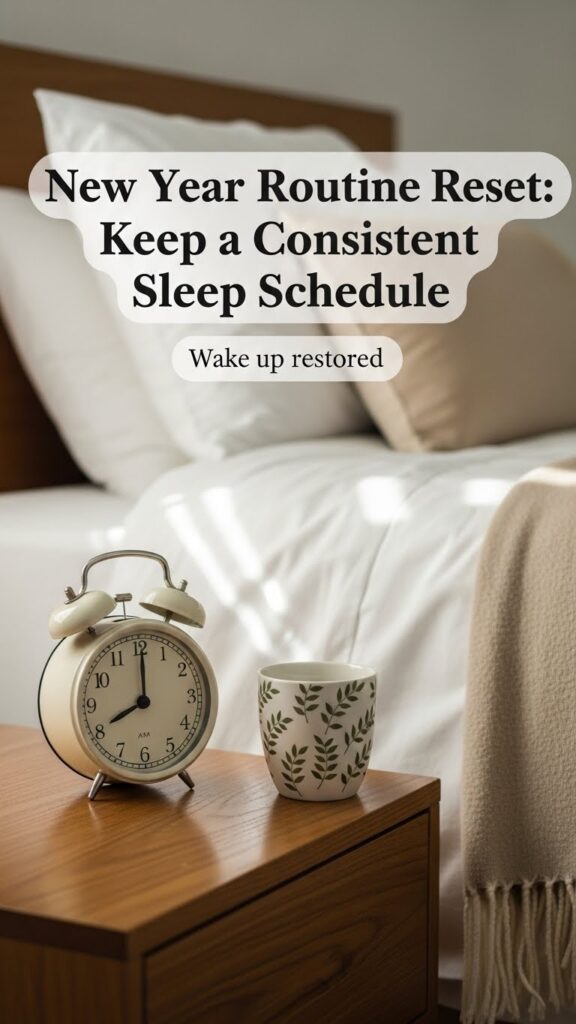
A new year routine reset often comes from exhaustion rather than motivation. You may have tried waking earlier, stacking habits, or following rigid schedules – only to feel more drained, not more grounded.
When routines start feeling like rules instead of support, it’s a sign they need adjusting, not enforcing. This reset isn’t about becoming more productive or disciplined. It’s about rebuilding daily rhythms so they fit your current life, energy, and responsibilities.
Real routines aren’t rigid systems you obey; they’re flexible structures that help you move through the day with less friction. If your routines stopped working sometime last year – quietly, gradually, you’re not behind. You’re simply ready for a reset.
Why Old Routines Stop Working
Routines don’t fail because you lack discipline. They stop working because the context around them changes.
1. Life Shifts (Even When They’re Subtle)
Life doesn’t need a major disruption to make routines feel outdated. Small changes add up: shifts in work hours, new responsibilities at home, seasonal changes, or prolonged emotional fatigue. A routine that once felt supportive can begin to feel heavy.
That isn’t regression, it’s feedback. A new year routine reset starts by listening to that feedback instead of pushing through it.
2. Energy Changes Over Time
Your energy isn’t static. What felt manageable months ago may now feel draining – not because something is wrong with you, but because your energy distribution has shifted. You might need slower mornings, have less decision capacity in the evenings, or experience uneven focus throughout the day.
When routines ignore energy, they become unsustainable. Resetting routines means working with how your body and mind function now, not how they used to.
3. Over-Optimization Fatigue
Many routines fail because they’re overbuilt. Too many habits, too many checkpoints, too much tracking. Over-optimization creates pressure. Instead of supporting your day, the routine becomes something you’re constantly “falling short” of. Over time, this leads to quiet burnout and avoidance.
A new year routine reset removes unnecessary complexity so your routines feel lighter, not heavier.
The Difference Between Habits and Routines
Understanding this distinction is key to building routines that last. Habits are individual actions; brushing your teeth, journaling, drinking water. Routines are the structure that holds those habits together: your morning flow, your evening wind-down, or your workday rhythm.
When routines stop working, many people try to fix them by adding more habits. That usually backfires. The issue is rarely the habit itself, it’s the structure around it. The order may feel off, the timing may clash with your energy, or the routine may simply be too long or rigid.
A routine reset focuses on structure first and habits second. When the structure works, habits settle into place naturally, without constant effort or enforcement.
How to Approach a New Year Routine Reset Without Starting Over
One of the biggest misconceptions about a new year routine reset is that you have to scrap everything and begin again. In reality, most routines need refining, not replacing. A simple way to approach this is the Keep / Remove / Adjust framework.
1. Keep: What Still Supports You
Even when a routine feels off overall, parts of it often still work. These are the elements you return to naturally, especially on difficult days. What feels grounding or genuinely helpful is worth keeping. These anchors provide continuity and make the reset feel supportive rather than disruptive.
2. Remove: What Creates Friction
Anything that consistently brings guilt, stress, or avoidance deserves reconsideration. Steps you repeatedly skip, habits added out of obligation, or routines that demand high energy every single day often do more harm than good.
Removing them isn’t quitting, it’s creating space for routines that are realistic and sustainable.
3. Adjust: What Needs Repositioning
One of the biggest misconceptions about a new year routine reset is the idea that everything has to be scrapped and rebuilt from scratch. In reality, most routines don’t need replacing; they need refining.
What works is rarely the problem; it’s what no longer fits that creates friction. A simple way to approach this is through a keep, remove, and adjust lens.
Morning vs Evening Resets: Where to Focus First
Not all routines carry the same weight. Morning and evening routines influence different parts of your day, which is why choosing the right one to reset first matters. The goal isn’t to perfect both; it’s to stabilize the part of the day that currently creates the most friction.
Morning Routine Reset: Setting the Tone
Morning routines shape how the day begins, not how productive you are, but how regulated you feel. When mornings feel rushed, chaotic, or emotionally reactive, the strain often carries forward for hours. A morning reset doesn’t need to be elaborate.
It simply needs to be predictable and calming. Even a small sense of control early in the day can create steadiness that supports everything that follows.
Evening Routine Reset: Protecting Recovery
Evening routines influence how well you recover from the day. When nights end with overstimulation, shallow sleep, or no clear sense of closure, fatigue quietly accumulates. An evening reset helps create a softer landing, one that signals the day is complete and allows your nervous system to downshift.
This kind of reset supports deeper rest and makes the next day feel less heavy before it even begins.
Building a Routine That Survives Real Life
Routines that last aren’t the most impressive ones; they’re the ones that adapt. Real life includes low-energy days, interruptions, and shifting priorities, and routines need to bend without breaking. When a routine only works under ideal conditions, it quietly sets you up to abandon it.
A sustainable routine leaves room for flexibility. It assumes things will occasionally run late, motivation will dip, and plans will change. Instead of collapsing when that happens, the routine adjusts and continues. This is what allows routines to feel supportive rather than fragile.
Routines that survive real life are also simple by design. Fewer moving parts make it easier to return after disruption. When you don’t have to “start over” every time something goes off track, consistency becomes natural instead of forced.
A new year routine reset isn’t about locking yourself into a perfect rhythm. It’s about creating a structure that holds you steady, especially on the days when life doesn’t cooperate.
When Routine Reset Feels Emotionally Difficult
Resetting a routine isn’t always practical, it can be emotional. Resistance often shows up not because the routine is complicated, but because it carries history. Some routines formed during survival seasons, burnout, grief, or instability.
Letting them change can feel like losing a familiar coping mechanism, even when it no longer serves you.
Difficulty can also come from pressure. When a reset feels like a demand to “fix yourself,” the nervous system responds with avoidance. This isn’t laziness, it’s self-protection. True resets feel supportive, not corrective.
If a routine reset feels heavy, start smaller than you think you should. Adjust the entry or exit, not the whole structure. Keep what feels stabilizing and soften what feels rigid. The goal isn’t discipline, it’s safety and regulation.
A routine that supports you should reduce tension, not increase it. When the reset is gentle, consistency becomes possible without force.
How Routine Reset Connects to Bigger Life Alignment
Routines shape how your values show up in daily life. Even when your goals are clear, misaligned routines quietly pull you in a different direction. Over time, this creates tension; not because you’re doing the wrong things, but because your systems no longer match who you’re becoming.
When routines are aligned, life feels less fragmented. Your days begin to support your priorities instead of competing with them. Decisions require less effort because your structure already reflects what matters most.
Routine resets aren’t about reinventing yourself. They’re about updating the systems that carry your life forward. Small, intentional changes; what you do first, what you repeat, what you protect – gradually restore coherence between your actions and your direction.
Alignment isn’t found in major life changes. It’s reinforced in ordinary rhythms that make the right choices easier and the unnecessary ones less tempting.
Conclusion
A new year routine reset isn’t about discipline or productivity. It’s about alignment. When routines fit your energy, your life, and your current season, they feel natural instead of forced. You don’t need perfect routines. You need ones that bend without breaking.
Ones that adjust as life changes. Ones that support you on ordinary days, not just ideal ones. Progress comes from refinement, not rigidity. Let your routines evolve with you and reset them whenever they stop serving you.
If you want to zoom out and decide where routines fit into a broader picture, return to the pillar guide New Year Reset: Where to Start and What to Reset First and choose your next focus with clarity.
You may also find it helpful to explore how routines interact with your space in the Home Reset guide or align with direction in the Planning & Goals Reset cluster.
Frequently Asked Questions
Q1. What is a new year routine reset?
A new year routine reset is the process of adjusting daily routines so they align with your current energy, life demands, and needs; without starting from scratch.
Q2. How is a routine reset different from building habits?
Habits are individual actions. A routine reset focuses on the structure that holds habits together and determines how your day flows.
Q3. Should I reset my morning or evening routine first?
Start with the routine that causes the most friction. Morning resets help with daily stability; evening resets improve rest and recovery.
Q4. Can routines be flexible and still work?
Yes. Flexible routines are often more sustainable because they adapt to real life instead of collapsing under pressure.
Q5. How often should routines be reset?
Anytime they stop supporting you. Routines aren’t permanent; they’re meant to evolve as life changes.