If your home feels heavier than it should, you’re not imagining it. A cluttered, disorganized, or poorly flowing space quietly drains energy every single day. You might notice it in small ways; irritation when you can’t find things, tension when surfaces are always full, or fatigue before the day has even started.
A home reset isn’t about making your house look impressive. It’s about removing friction from daily life. When your space supports you, routines feel easier, decisions feel lighter, and rest actually feels like rest.
If you’re here, you’ve already decided your home needs a reset. Not a makeover. Not a total purge. Just a thoughtful return to order, flow, and functionality. This guide focuses on practical changes that reduce daily stress and help your space support you – not overwhelm you.
A sustainable new year home reset is about creating systems that work in real life, for real people, with real routines.
What a Home Reset Really Changes (And What It Doesn’t)
A home reset changes how your space supports the way you already live. It improves flow, reduces friction, and makes everyday routines feel lighter, without requiring perfection or constant upkeep.
A true home reset improves:
- How easily you move through your space
- How quickly you can clean or reset after daily use
- How much mental energy your home demands
If you’ve ever “organized” a space only to watch it unravel within weeks, the issue wasn’t effort – it was that the system didn’t fit your real life.
Start With Friction, Not Rooms
One of the most effective ways to approach a home reset is to stop thinking in terms of rooms and start thinking in terms of friction points. Friction is where your home regularly slows you down, annoys you, or creates unnecessary work.
Common friction points include:
- Constantly clearing the same surface
- Items that never seem to have a proper home
- Spaces that look messy even after cleaning
These are signals. Instead of resetting your entire house at once, focus on the places that interrupt your day most often. This approach creates faster relief and prevents overwhelm – which is why it’s more sustainable.
High-Impact Areas to Prioritize in a Home Reset:
1. Entry and Drop Zones
The entry area handles constant transitions; leaving, returning, and setting things down. When it lacks structure, small frustrations build quickly through misplaced items and visual clutter.
A simple, consistent drop zone restores ease, making daily transitions smoother and reducing the mental noise that follows you inside.
A reset here focuses on:
- Limiting what enters the space
- Creating one clear drop zone for essentials
- Removing items that don’t belong to daily movement
2. Kitchen Workflow
The kitchen supports repeated decisions throughout the day, which is why poor flow feels so draining. When everyday items aren’t aligned with how you actually cook and clean, effort increases without adding value. A home reset in the kitchen looks at:
- Clearing expired or unused items
- Grouping items by use, not category
- Creating space where you actually prep and cook
Resetting kitchen workflow restores rhythm, allowing meals and cleanup to feel more natural and less demanding.
3. Bedroom Reset for Rest
The bedroom plays a direct role in how easily you rest and reset overnight. Visual clutter or misplaced items can quietly interfere with relaxation, even when you’re physically tired. A calm, intentional setup supports deeper rest and makes both evenings and mornings feel less strained.
Resetting a bedroom involves:
- Removing items that don’t relate to rest or dressing
- Clearing visual clutter near the bed
- Simplifying storage so putting things away feels easy
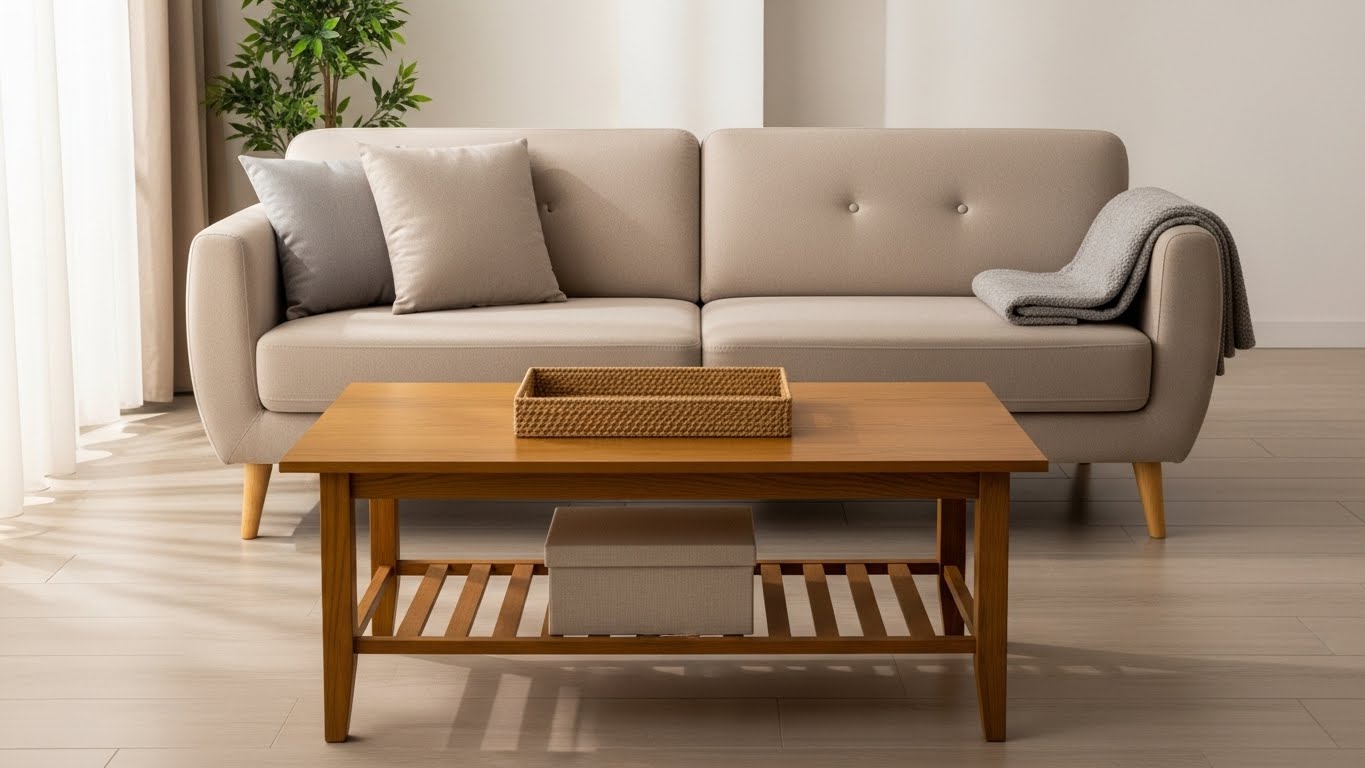
4. Living Space
Living spaces absorb shared activity, which makes clutter easy to accumulate. When this area lacks balance, it can create a subtle pressure to tidy instead of relax. Resetting the living space restores flexibility, allowing the room to support real life without feeling crowded or chaotic.
Look for:
- Items that belong elsewhere
- Furniture that blocks movement or cleaning
- Storage that hides clutter without becoming a mess itself
Decluttering vs Home Reset: Why Both Matter
Decluttering and a home reset are often treated as the same thing, but they serve different purposes. Decluttering reduces excess by removing what no longer belongs, while a home reset focuses on restoring flow and function within the space you keep.
Decluttering creates physical and visual relief; a home reset ensures what remains actually works for daily life. When combined thoughtfully, they create clarity without pushing you toward minimalism or perfection.
Many people declutter heavily, feel temporary relief, and then slowly slide back into chaos. That’s because nothing changed underneath. The same habits, storage issues, and friction points remain. A home reset happens after or alongside decluttering. It answers questions like:
- Where should this item live?
- Is this location logical for how I use it?
- Is it easy to put back?
Simple Home Reset Systems That Actually Stick
A home reset isn’t about deep cleaning or buying new organizers. It’s about creating systems that reduce daily friction and keep spaces functional without constant effort. The most effective home systems are small, repeatable, and realistic. They work even when you’re tired, busy, or inconsistent.
1. Maintenance Over Perfection
A home reset that sticks prioritizes maintenance, not ideal outcomes. The measure of success is how quickly a space can return to functional – not how pristine it looks. When systems are simple and forgiving, they survive busy seasons, low-energy days, and life changes without falling apart.
2. Daily Reset, Not Weekly Overhauls
Systems stick when they fit into normal days. A five-minute daily reset is more sustainable than a two-hour weekly clean that rarely happens. Simple examples include clearing one surface before bed, resetting the sink after meals, or preparing tomorrow’s essentials the night before.
These small actions prevent buildup without requiring motivation.
3. Fewer Rules, Clear Defaults
Homes become exhausting when they rely on too many rules. Systems work best when defaults are obvious and consistent. A designated drop zone, a single laundry flow, or a standard place for daily items removes decision-making. The goal isn’t control – it’s reducing mental effort.
4. Storage That Matches Behavior
Clutter often comes from storage systems that ignore real habits. If items don’t return easily to their place, the system is wrong – not necessarily you. Effective home reset systems place storage where actions already happen. Shoes near the door, bags near seating, chargers where devices are used.
Good storage is:
- Easy to access
- Easy to put things back into
- Forgiving when you’re tired
If a system only works when you’re motivated, it won’t last. This is where many people overcomplicate their home reset. Simpler systems almost always win.
Common Home Reset Mistakes
Even with good intentions, a new year home reset can quietly stall when systems are built for perfection instead of supporting how the home is actually used day to day. This is often where frustration creeps in—not because the reset failed, but because the systems demand more effort than real life allows.
1. Over-Organizing
Excessive categories, labels, and rules add friction. If you have to pause and think about where something goes, the system is too complicated. Effective home reset systems make placement obvious and automatic.
2. Buying Containers First
Storage should solve existing problems – not create new ones. Buying containers before understanding your clutter often leads to hiding messes rather than reducing them. Reset the system first, then add storage only where it supports daily behavior.
3. Trying to Reset Everything in One Weekend
Trying to reset everything at once usually leads to burnout. A new year home reset works best in phases. One fully reset space creates momentum; multiple half-finished resets create fatigue.
How a Home Reset Supports Every Other Reset
Most resets fail not because the plan was bad, but because the environment kept pulling you off track. Cluttered counters make routines harder to follow. Disorganized storage increases daily friction. Visual noise drains focus before the day even begins. A functional home removes these invisible obstacles.
A new year home reset creates structural support for other resets:
- Routine resets stick better when mornings aren’t spent searching for basics or clearing space before starting.
- Life systems resets feel lighter when your home reduces decision fatigue instead of adding to it.
- Decluttering resets reinforce themselves when items have obvious, accessible homes.
- Time and energy management improve when your space no longer demands constant maintenance.
The goal isn’t a perfect home – it’s a cooperative one. When your space supports how you actually live, progress in other areas becomes easier to sustain. You’re not relying on motivation or willpower. You’re letting your environment do part of the work.
That’s why starting with a home reset often creates momentum across the rest of your life. It’s not just about tidying up – it’s about removing friction so every other reset has room to work.
If you want a wider view of how home fits into larger life alignment, revisit the pillar guide New Year Reset: Where to Start and What to Reset First to decide your next focus.
Conclusion: A Home Reset Is About Support, Not Control
A home reset isn’t about controlling your space; it’s about letting your space support you. When systems align with real habits, maintenance becomes lighter and stress decreases naturally. You don’t need perfection. You need clarity, flow, and systems that work on ordinary days, not just ideal ones.
Progress matters more than completion. One well-reset space can change how your entire home feels.
Frequently Asked Questions
Q1. What is a home reset?
A home reset is the process of restoring order, flow, and functionality to your space so it supports daily life with less effort and stress.
Q2. How long does a home reset take?
A home reset doesn’t have a fixed timeline. It works best when done in phases, focusing on one high-impact area at a time.
Q3. Is a home reset the same as decluttering?
No. Decluttering removes excess. A home reset rebuilds systems so clutter doesn’t return.
Q4. Can a home reset be simple?
Yes. The most sustainable home reset systems are often the simplest and easiest to maintain.
Q5. Should I reset my whole home at once?
It’s better to reset one space well than attempt the entire home at once. Focus creates lasting results.