Have you ever walked into a room and immediately felt like it cost a fortune, even if the furniture wasn’t from a high-end showroom? Achieving a luxury aesthetic isn’t actually about the price tag on your sofa or the brand of your coffee table.
Creating a sophisticated environment is more about intentionality, scale, and a few specific “tricks of the trade” that designers use to fool the eye.
So, what makes a home look expensive? At its core, it is the absence of clutter, the presence of thoughtful lighting, and the use of cohesive textures. It’s about making choices that look custom rather than “off the shelf.”
Whether you are working with a tight budget or just want to refine your current style, these 17 designer secrets will help you transform your living space into a high-end sanctuary.
1. Hang Curtains High and Wide
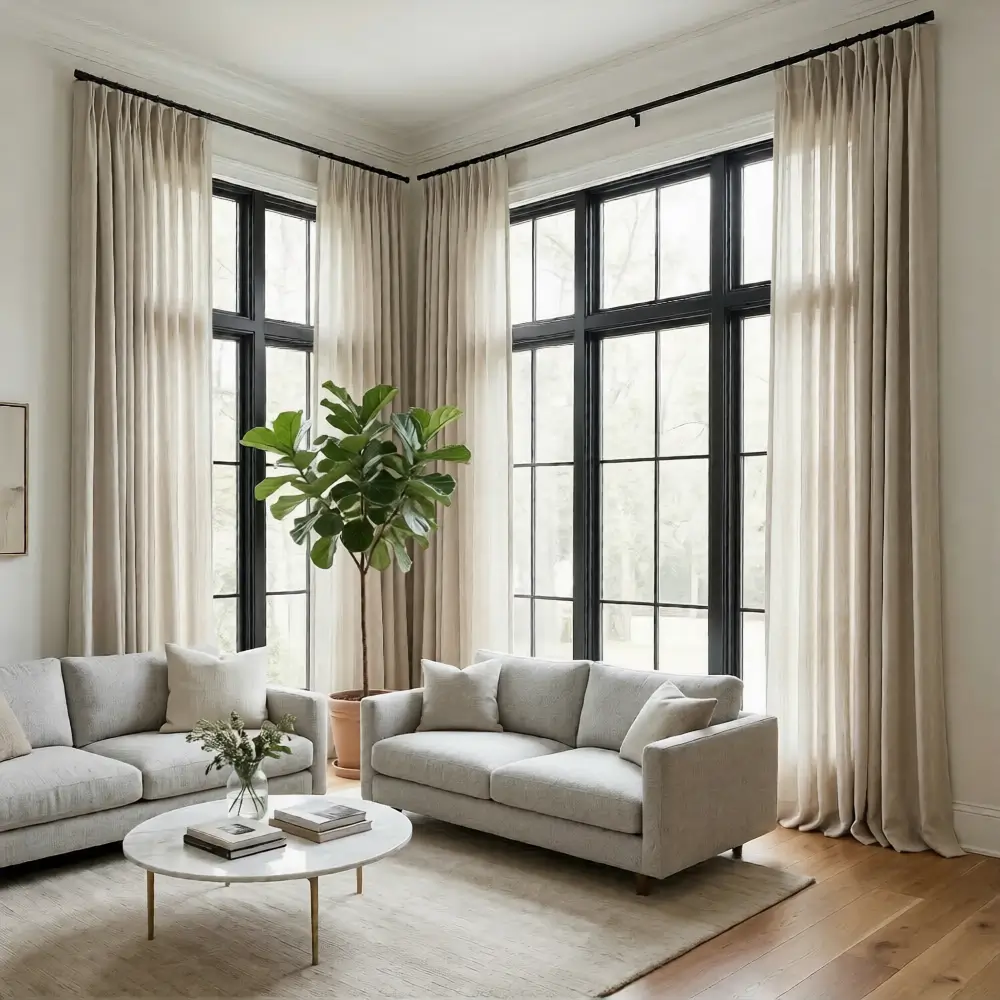
One of the fastest ways to make a room feel grand is to rethink your window treatments. Most people hang curtain rods directly above the window frame, which cuts the room in half visually. Designers do the opposite: they hang the rod as close to the ceiling as possible.
This technique draws the eye upward, making your ceilings feel significantly taller. Ensure your curtains are wide enough to cover the window frame when open; this creates the illusion of a much larger window.
For a truly expensive look, choose linen or velvet fabrics that “puddle” slightly on the floor or just kiss the wood. Avoid skimpy, narrow panels at all costs.
2. Swap Out Standard Hardware
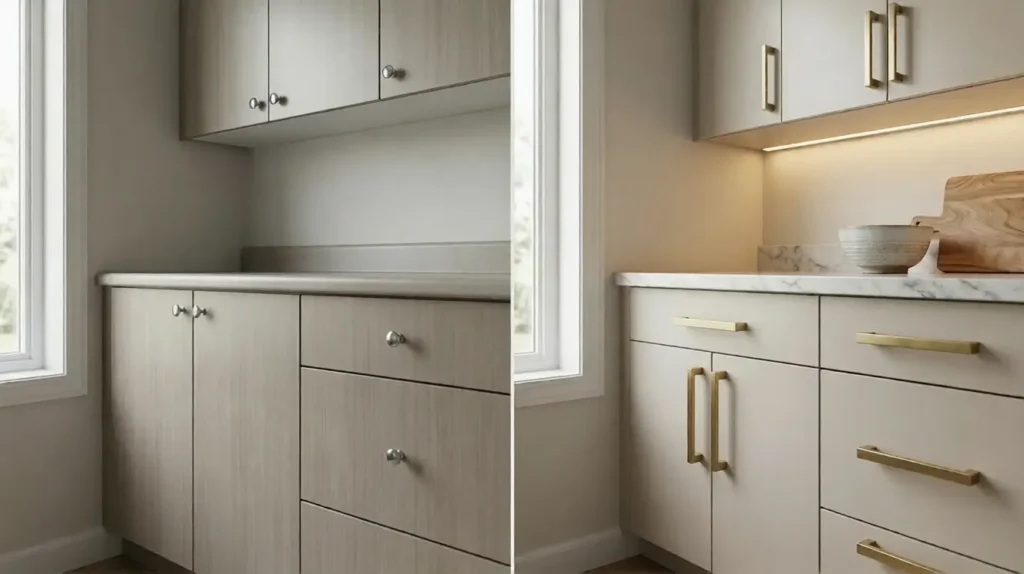
Builder-grade handles and knobs are a dead giveaway of a mass-produced home.
Swapping out the hardware on your kitchen cabinets, bathroom vanities, or even your dresser is one of those budget-friendly home upgrades that offers a massive return on investment. Look for heavy, solid metals like unlacquered brass, matte black, or brushed nickel.
Choose oversized pulls for a modern, custom feel. This small change adds a tactile sense of quality every time you open a drawer, making the entire piece of furniture feel like a bespoke commission rather than a flat-pack find.
3. Master the Art of Layered Lighting
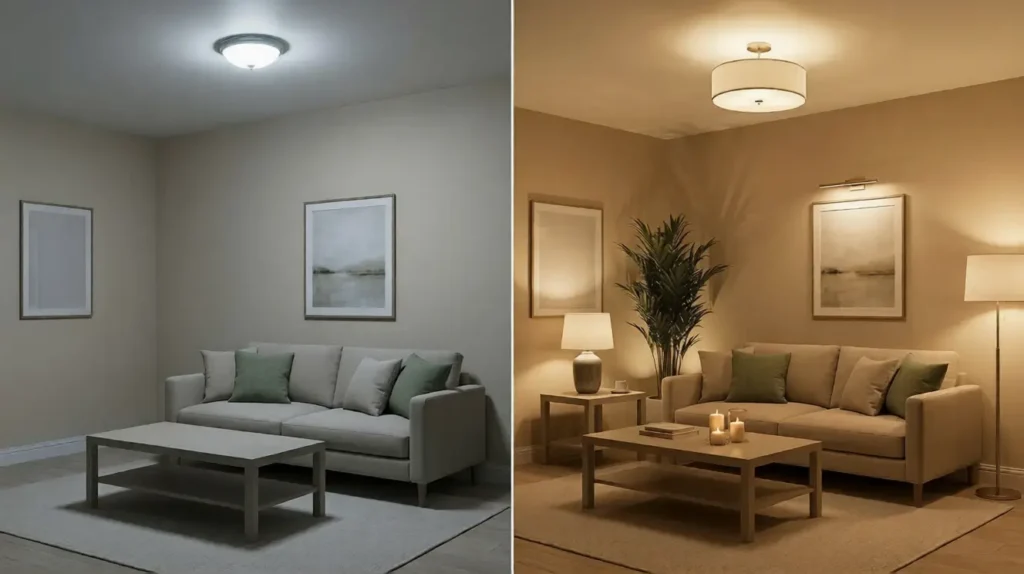
Nothing screams “cheap” like a single, harsh overhead light. High-end homes utilize layered lighting to create mood and depth. This means having at least three sources of light in every room: ambient (overhead), task (reading lamps), and accent (picture lights or candles).
Try adding a battery-operated picture light above a piece of art or tucking a small uplight behind a large floor plant. Using warm-toned bulbs (around 2700K) throughout the house ensures a cozy, inviting glow that mimics the atmosphere of a luxury hotel.
Dimmer switches are also a secret weapon – they allow you to control the vibe of the room instantly.
4. Invest in Oversized Rugs
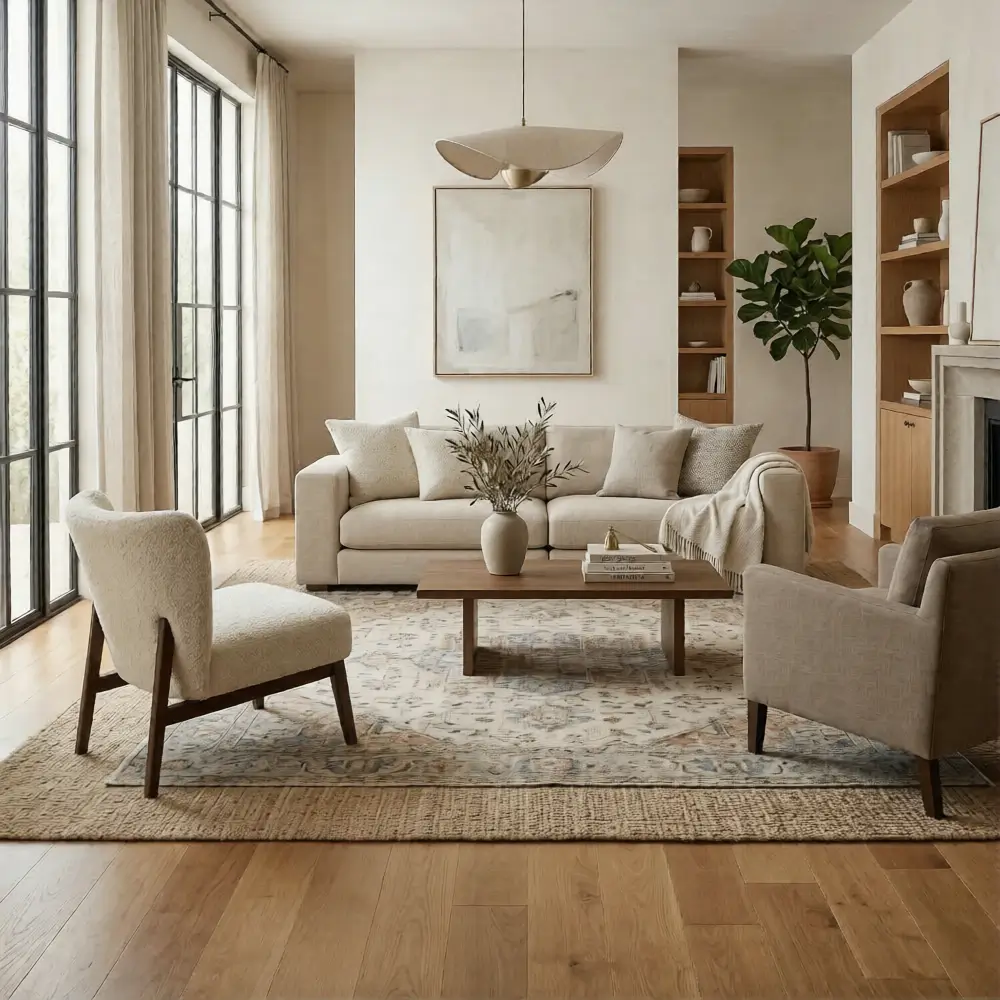
A common mistake that makes a home feel disjointed is a “floating” rug that is too small for the furniture.
When a rug is tiny, the room feels cramped and uncoordinated. An expensive-looking space requires a rug large enough for all the furniture legs to sit on, or at least the front two legs of every seating piece.
A large, neutral-toned rug like a jute or sisal base layered with a smaller wool rug adds texture and grounds the room. If you’re on a budget, buy a large natural fiber rug and place a more expensive, colorful vintage rug on top.
This creates a curated, layered look that feels intentional and high-end.
5. Clear the Visual Clutter
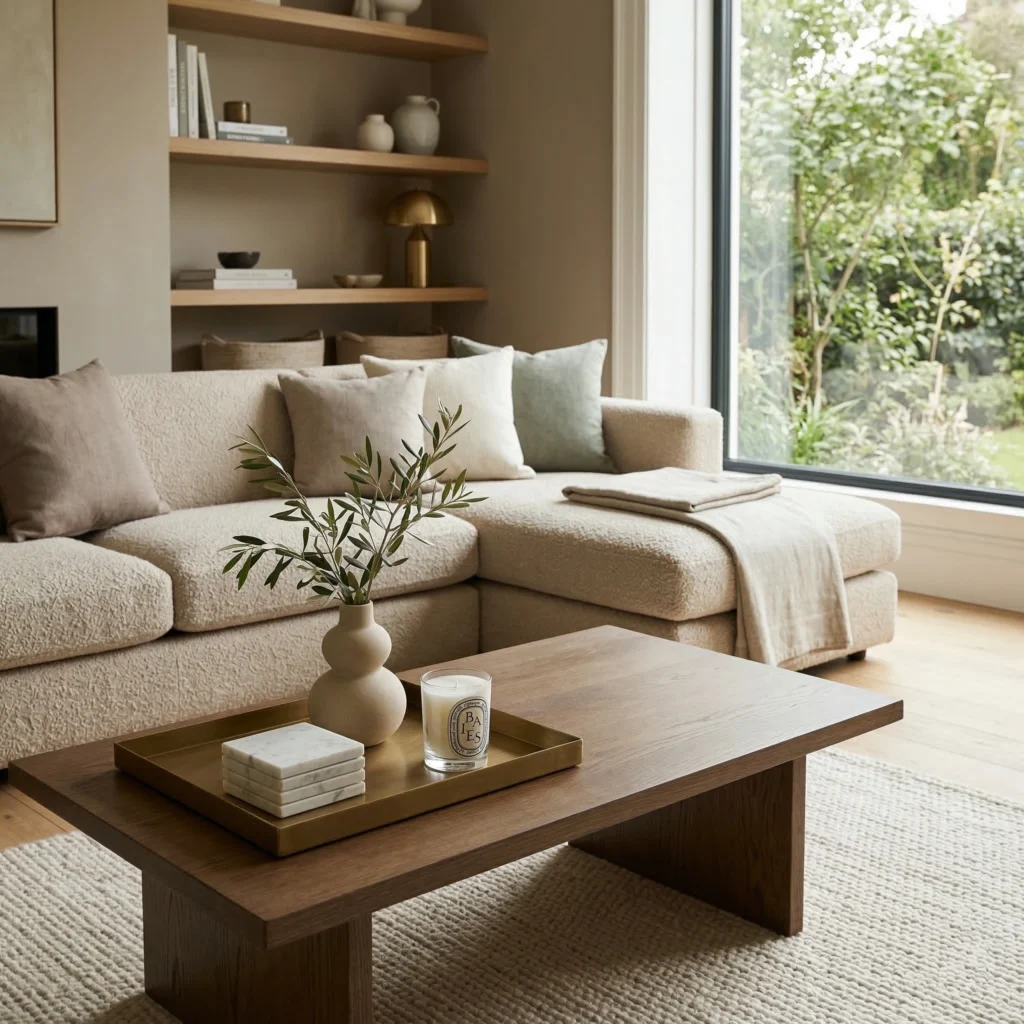
Luxury is often defined by what isn’t there. Flat surfaces like kitchen counters, coffee tables, and entry consoles should be kept relatively clear. When every square inch is covered in mail, chargers, or small knick-knacks, the eye has nowhere to rest, creating a sense of chaos.
Adopt the “one-third” rule: leave about one-third of your surfaces empty. Group remaining items on decorative trays to make them look like a deliberate “vignette” rather than a mess.
Utilizing small-space storage ideas like hidden baskets or decorative boxes can help keep daily essentials out of sight while maintaining easy access.
6. Use Large-Scale Art
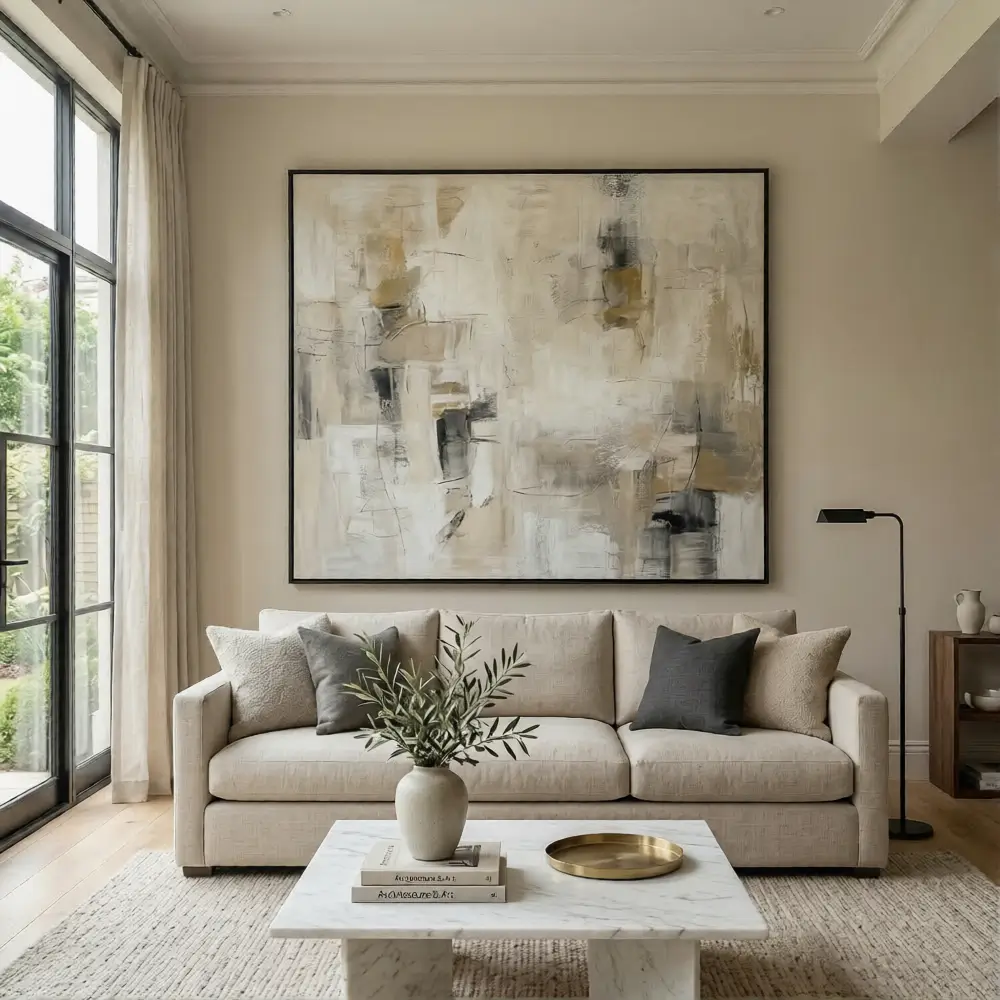
A single, large-scale piece of art always looks more expensive than a “gallery wall” of many small items.
Small frames can often look cluttered and busy. A large canvas or a framed oversized print creates a focal point and gives the room a sense of “gallery” importance. You don’t need to spend thousands on original paintings.
You can frame a beautiful piece of textile, an oversized architectural blueprint, or even a high-resolution digital print. The key is the scale – aim for something that covers at least two-thirds of the wall space above your sofa or bed to make a bold, professional statement.
7. Incorporate Natural Textures
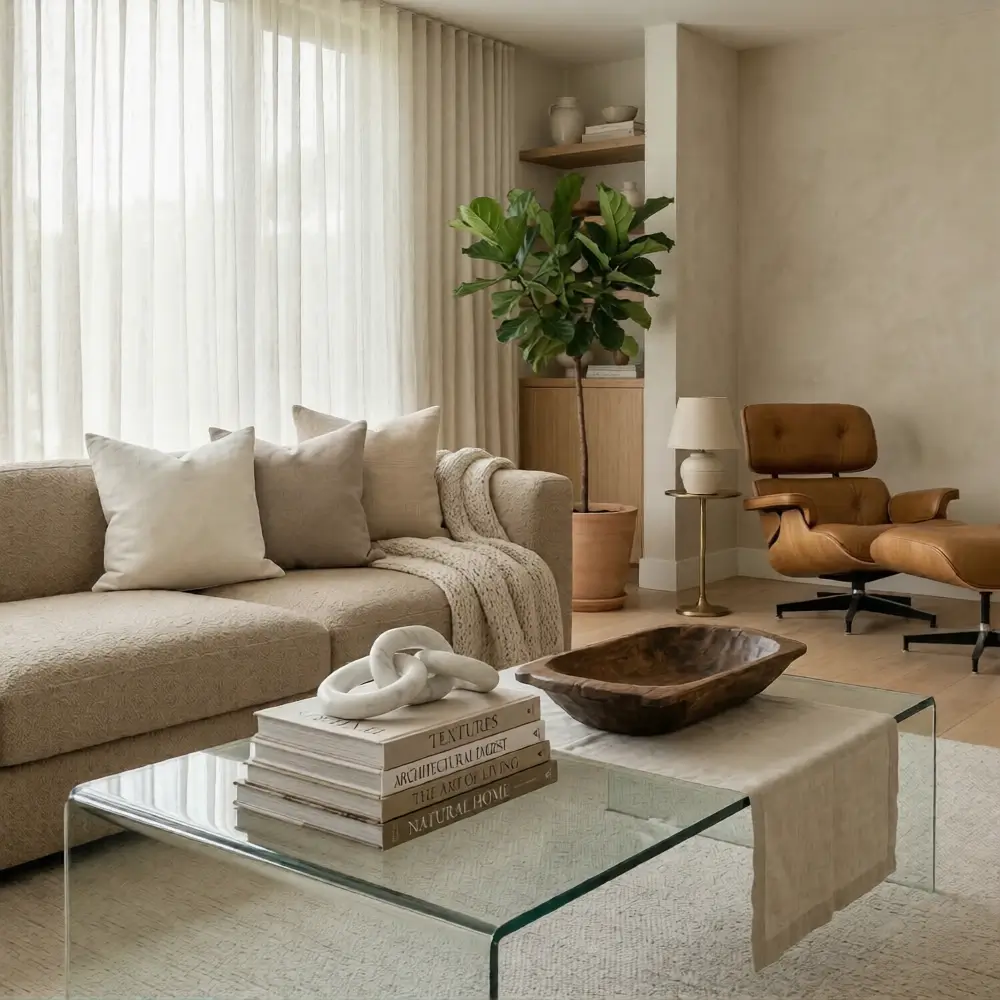
Synthetic materials often look flat and artificial. To make a home look expensive, lean into natural materials like marble, wood, leather, and linen. These materials age gracefully and have a “heft” that plastic or laminate simply lacks.
You don’t need a full marble kitchen to get the effect. A marble chain link on a stack of books, a wooden dough bowl on the dining table, or a leather chair in the corner introduces these high-end textures.
The contrast between a rough wooden bowl and a smooth glass table creates visual interest that feels sophisticated and multi-dimensional.
8. Focus on Symmetry
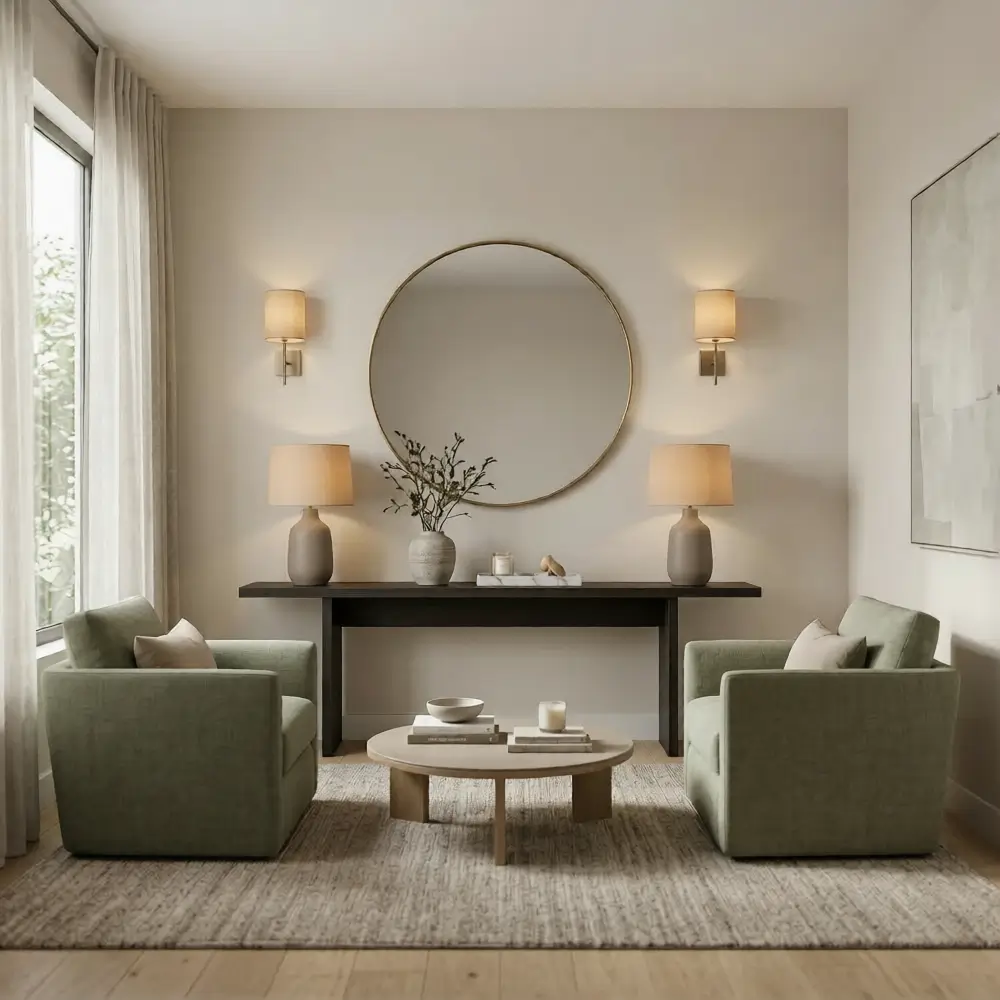
Symmetry is a classic design principle that the human brain associates with order and elegance. You’ll often see this in high-end hotel lobbies: two identical lamps on a console, two matching armchairs facing each other, or a pair of sconces flanking a mirror.
If a room feels “off,” try to mirror elements. This creates an immediate sense of balance and calm. It doesn’t have to be perfectly identical, but having pairs of items provides a structured framework that makes the room look professionally styled.
Use a modern color palette guide to ensure your symmetrical pieces stay within a cohesive tonal range.
9. Upgrade Your Entryway
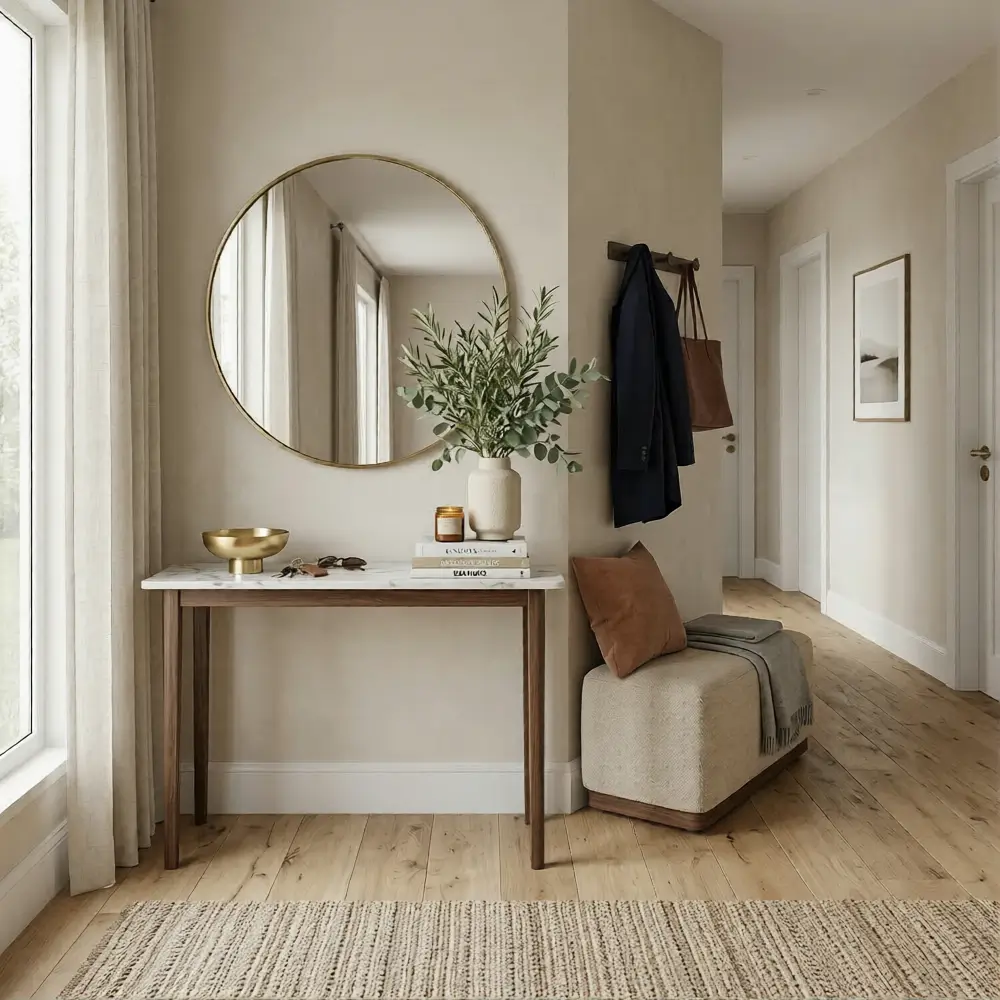
The entryway sets the tone for the entire home. A cluttered pile of shoes and coats at the front door immediately lowers the “perceived value” of your space. To create an expensive first impression, focus on a clear, styled entry.
Even a small hallway can benefit from a narrow console table, a large mirror to bounce light, and a dedicated spot for keys (like a brass bowl). If you have the space, a small bench with a tidy throw pillow adds a “custom” feel.
The goal is to make the transition from the outside world into your home feel seamless and curated.
10. Hide Your Tech
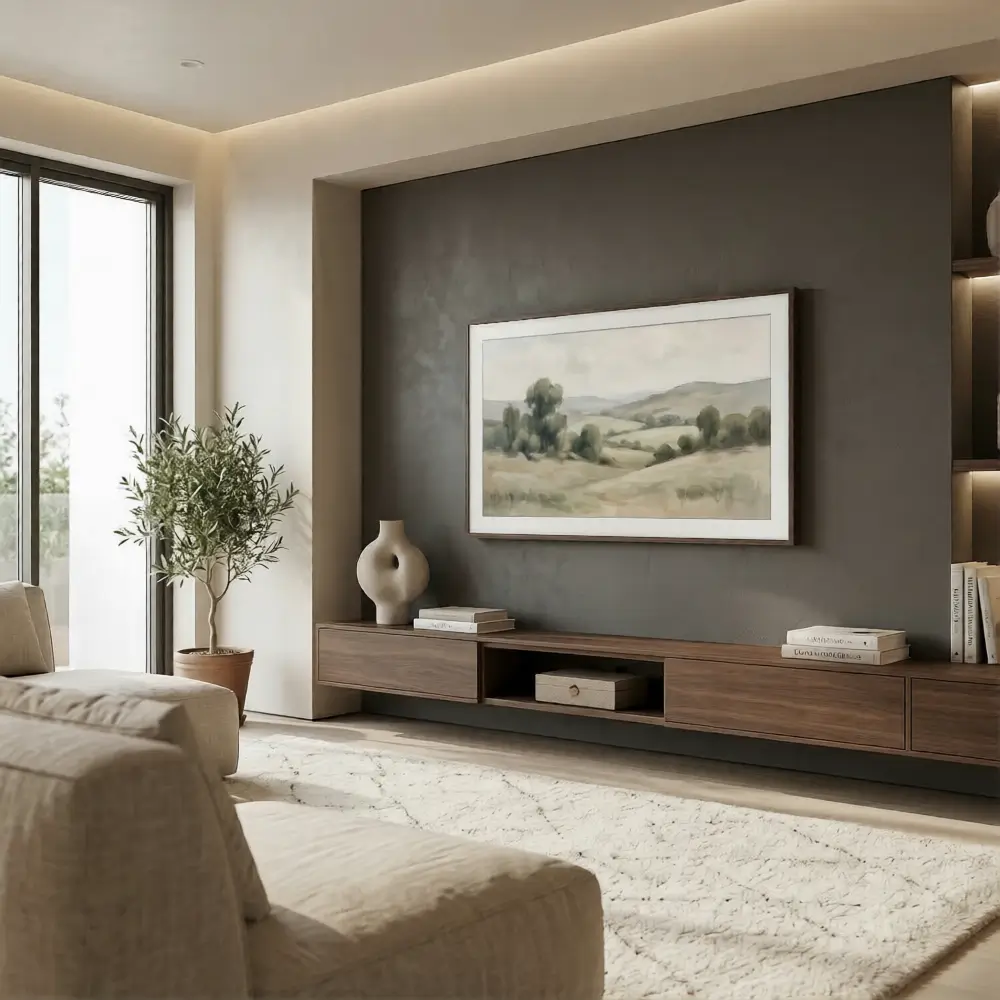
Wires and bulky black screens are the enemies of high-end design. Visible cords trailing down a wall or tangled under a desk are instant “value killers.” Use cord covers that match your wall color, or tuck power strips into decorative cable management boxes.
When it comes to the TV, try to minimize its dominance. Frame it, mount it on a dark-painted wall so it blends in, or use a “Frame” style TV that displays art when not in use.
Masking the “utility” side of your home allows the design elements to shine, making the space feel more like a retreat and less like a workspace.
11. Add Architectural Interest with Molding
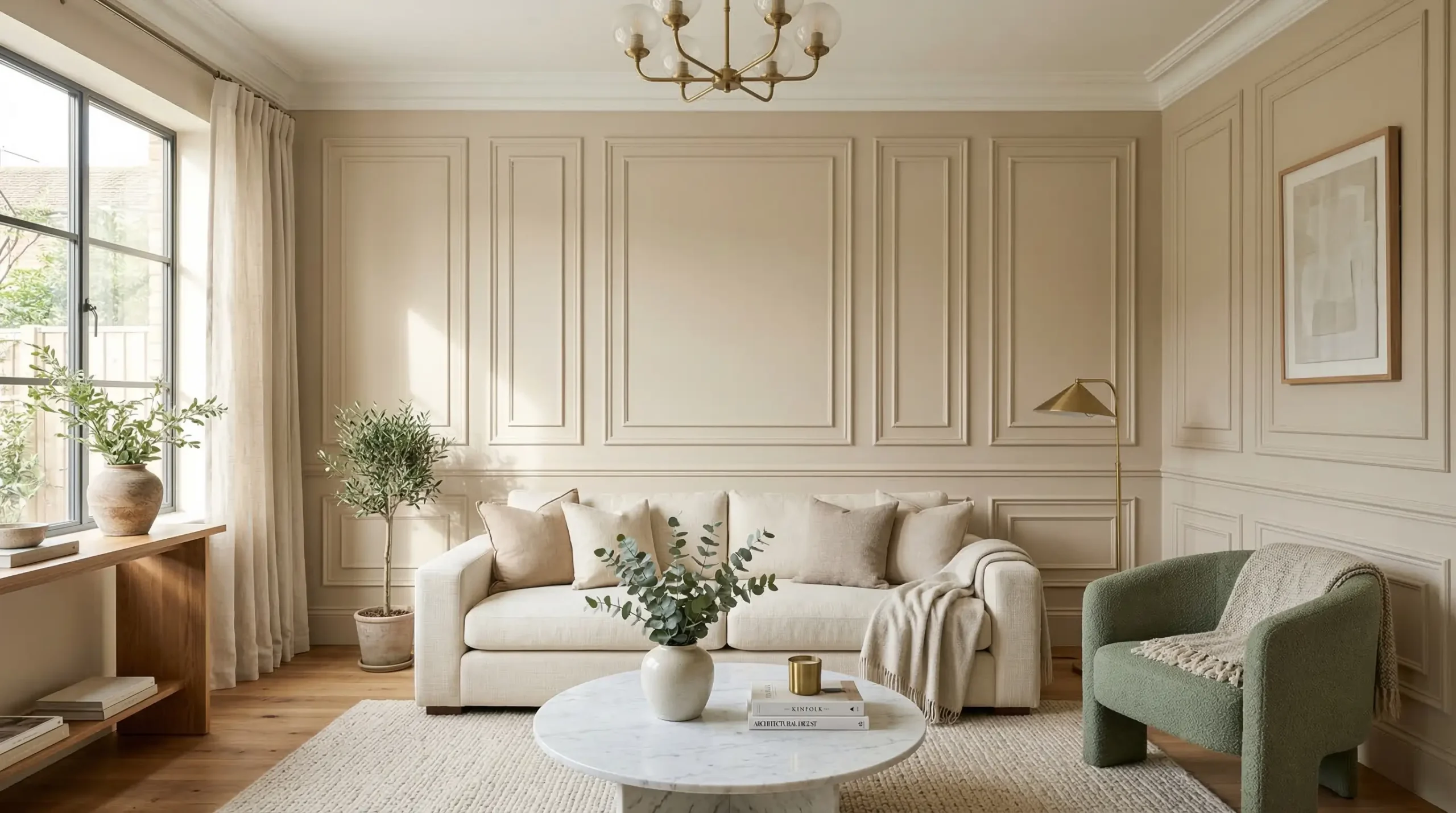
Standard drywall is functional but plain. Adding crown molding, picture frame molding, or even a simple chair rail can transform a “box” of a room into a space with character and history. This is one of the most effective ways to answer the question of what makes a home look expensive.
Picture frame molding is a relatively easy DIY project using lightweight PVC or wood strips. Once painted the same color as the wall, it adds subtle shadows and depth. This architectural “jewelry” makes the home feel like it was custom-built rather than part of a mass-market development.
12. Deep Clean and Refurbish
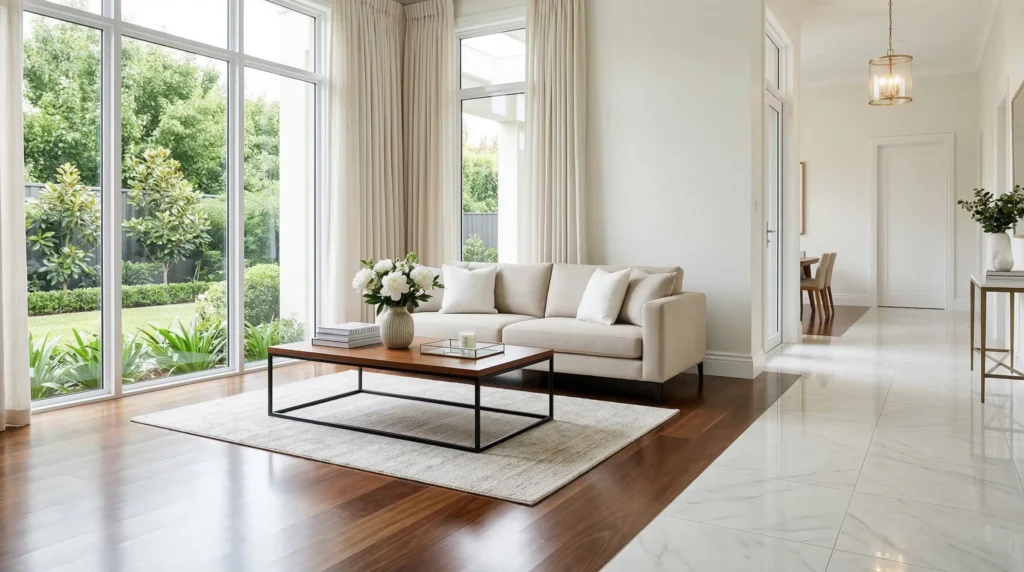
Sometimes, “expensive” just means “immaculate.” Scuffed baseboards, dusty light fixtures, and stained grout can make even the most beautiful furniture look cheap. A deep clean is the most budget-friendly way to elevate your home’s appearance.
- Touch up chips in paint on doors and trim.
- Polishing your floor (whether wood or tile) adds a reflective quality.
- Steam your curtains to remove wrinkles.
- Whiten the grout in your bathroom or kitchen.
These small maintenance tasks ensure that the “bones” of your home look well-cared for, which is a hallmark of luxury living.
13. Mix Your Eras and Styles
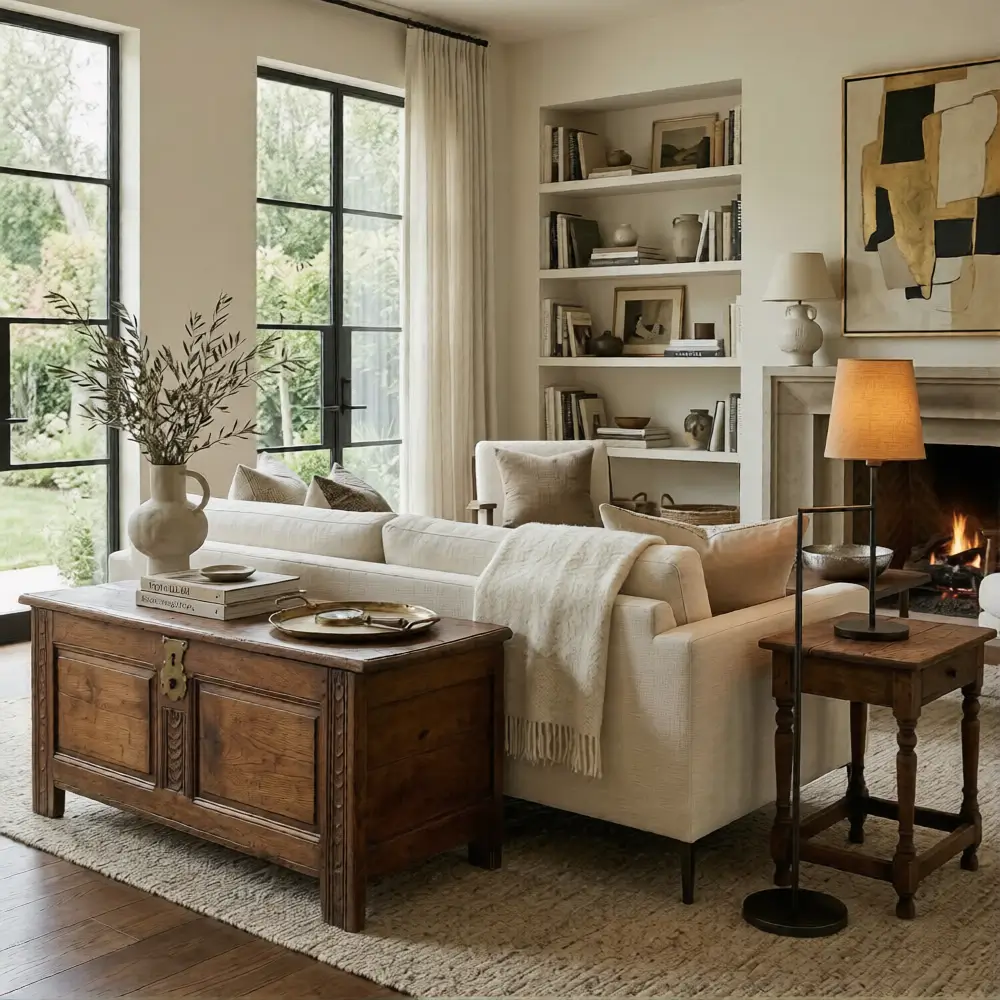
A home that looks like it came straight out of a single furniture catalog feels “cheap” because it lacks personality. Designers make homes look expensive by mixing old and new. A vintage wooden chest next to a modern sofa creates a “collected over time” look.
This contrast prevents the room from feeling like a showroom. Try pairing a sleek, metal floor lamp with a rustic, antique side table. The tension between different styles suggests that the owner has a sophisticated eye for quality pieces, regardless of their era, which is the definition of true style.
14. Style Your Bookshelves (The Right Way)
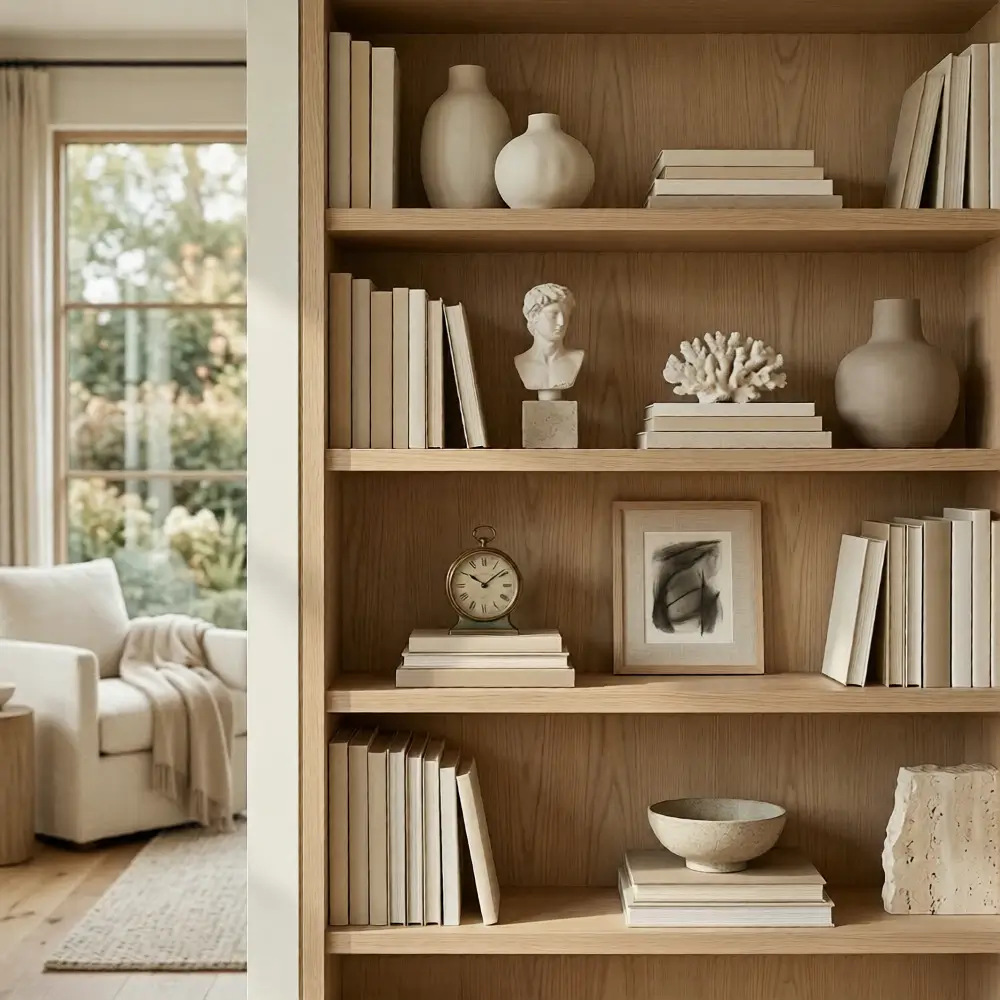
Bookshelves shouldn’t just be for storage; they are a prime spot for styling. Avoid stuffing them to the brim with paperbacks. Instead, mix books with decorative objects, vases, and small framed photos.
- Stack some books horizontally and others vertically to create a rhythm.
- Use “negative space” so the shelves don’t look crowded.
- Turn book spines inward for a monochromatic look (if you prefer a neutral palette). Adding a few high-quality objects – like a piece of coral, a ceramic bust, or a vintage clock – among the books gives the library a curated, expensive feel.
15. Bring in “Real” Greenery
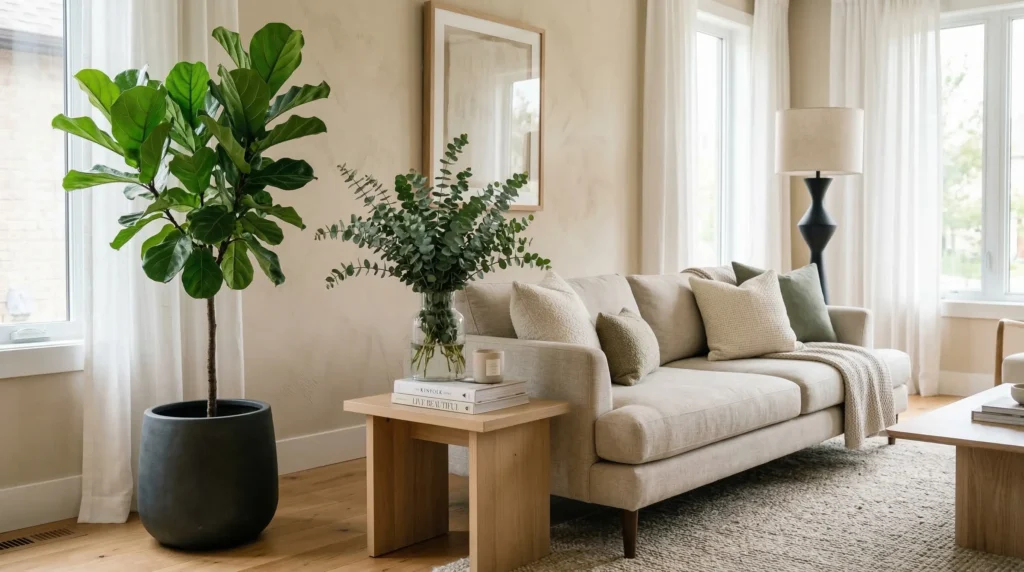
Plastic plants often have a tell-tale shine that looks inexpensive. If you want a high-end look, go for real greenery. A large, thriving Fiddle Leaf Fig or a Monstera in a corner adds life and vibrant color that synthetic versions can’t replicate.
If you don’t have a green thumb, a simple vase of fresh branches (like eucalyptus or olive) lasts for weeks and adds height and organic shape to a room. Real plants improve air quality and provide a soft, natural texture that balances the hard lines of furniture.
16. Go Tonal with Your Color Palette
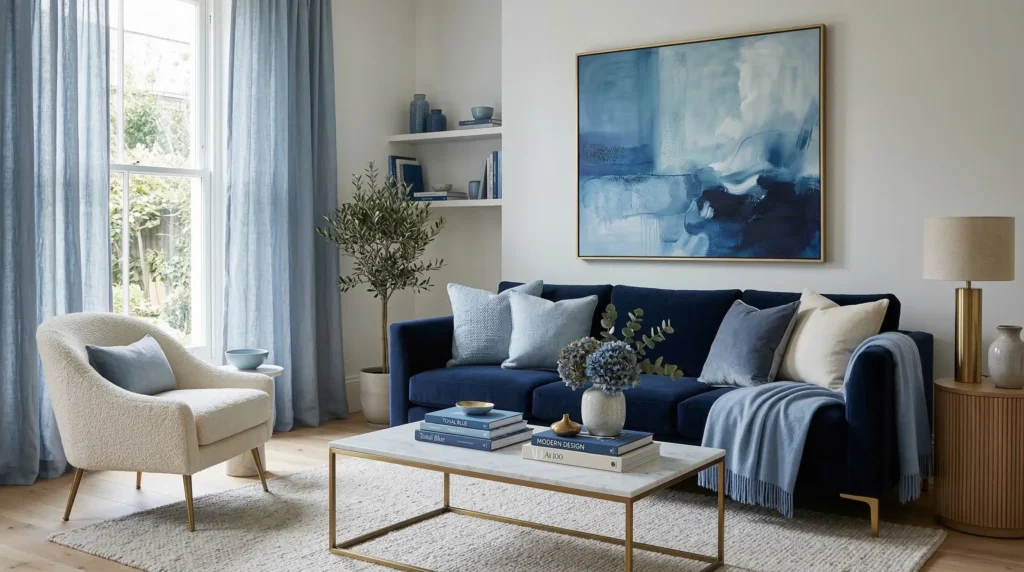
A “rainbow” of colors in one room can feel overwhelming and disjointed. Expensive-looking homes often stick to a tonal or monochromatic palette. This doesn’t mean the room has to be all white; it means using varying shades of the same color family.
For example, a living room with a navy sofa, light blue pillows, and dusty blue curtains feels intentional and expensive. Using a “tone-on-tone” approach creates a sophisticated, cohesive look that makes the room feel larger and more tranquil.
It’s a simple way to achieve professional results without needing a degree in color theory.
17. Customize Your Cushions and Pillows
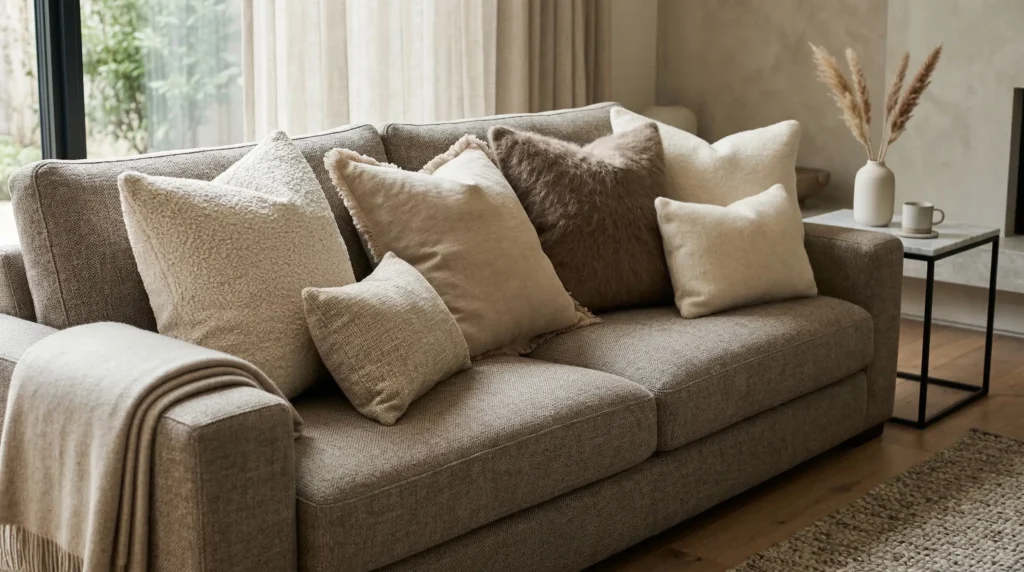
Flat, limp pillows make a sofa look tired. Designers always use “down” or “down-alternative” inserts that are slightly larger than the pillow cover itself. This gives the pillows a “plump,” high-end look that holds its shape.
Avoid the “matching set” of pillows that came with your sofa. Instead, buy covers in high-quality fabrics like heavy linen, mohair, or bouclé. Mixing different textures in the same color family adds richness and comfort, making your seating area look like it was styled for a magazine.
FAQs
Q1. How can I make my house look expensive on a budget?
The best budget-friendly tips include swapping out hardware, deep cleaning, and removing clutter. Using large-scale art and hanging your curtains higher are also low-cost ways to make a significant visual impact without spending much money.
Q2. What colors make a room look more expensive?
Neutral tones like cream, taupe, and charcoal usually look more expensive because they feel timeless. Monochromatic or tonal palettes (different shades of one color) create a sophisticated, high-end atmosphere that feels calm and cohesive.
Q3. Does a minimalist look make a home look more expensive?
Yes, because minimalism emphasizes quality over quantity. When you have fewer items, the items you do have – and the architectural details of the room—stand out more. It creates a sense of “curated luxury” rather than accidental clutter.
Q4. What is the most common mistake that makes a home look “cheap”?
The most common mistake is poor scale – specifically rugs that are too small and curtains hung too low. Additionally, “builder-grade” finishes like plastic light switches or cheap cabinet handles often detract from the overall quality of a space.
Conclusion
Creating an expensive-looking home isn’t about how much you spend, but how you curate your space. By focusing on scale, texture, and the “unseen” details like hardware and lighting, you can elevate any room from standard to spectacular.
Start with one or two changes – perhaps hanging those curtains higher or clearing off your kitchen counters – and watch how the energy of your home shifts.
Remember, a high-end home feels thoughtful and intentional. Whether you are exploring modern color palette guides or just rearranging your bookshelf, the goal is to create a space that reflects your personal style with a touch of designer polish.