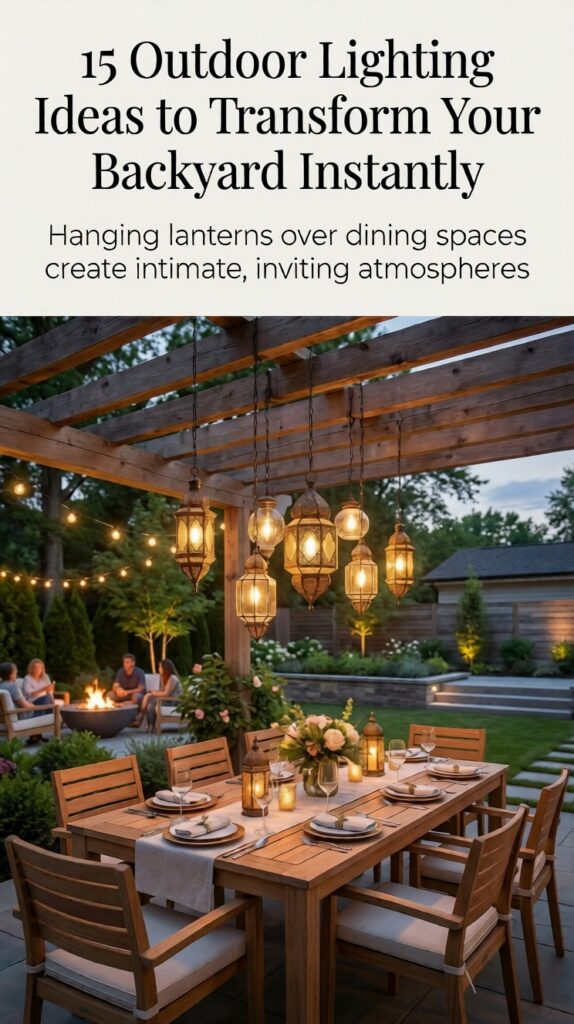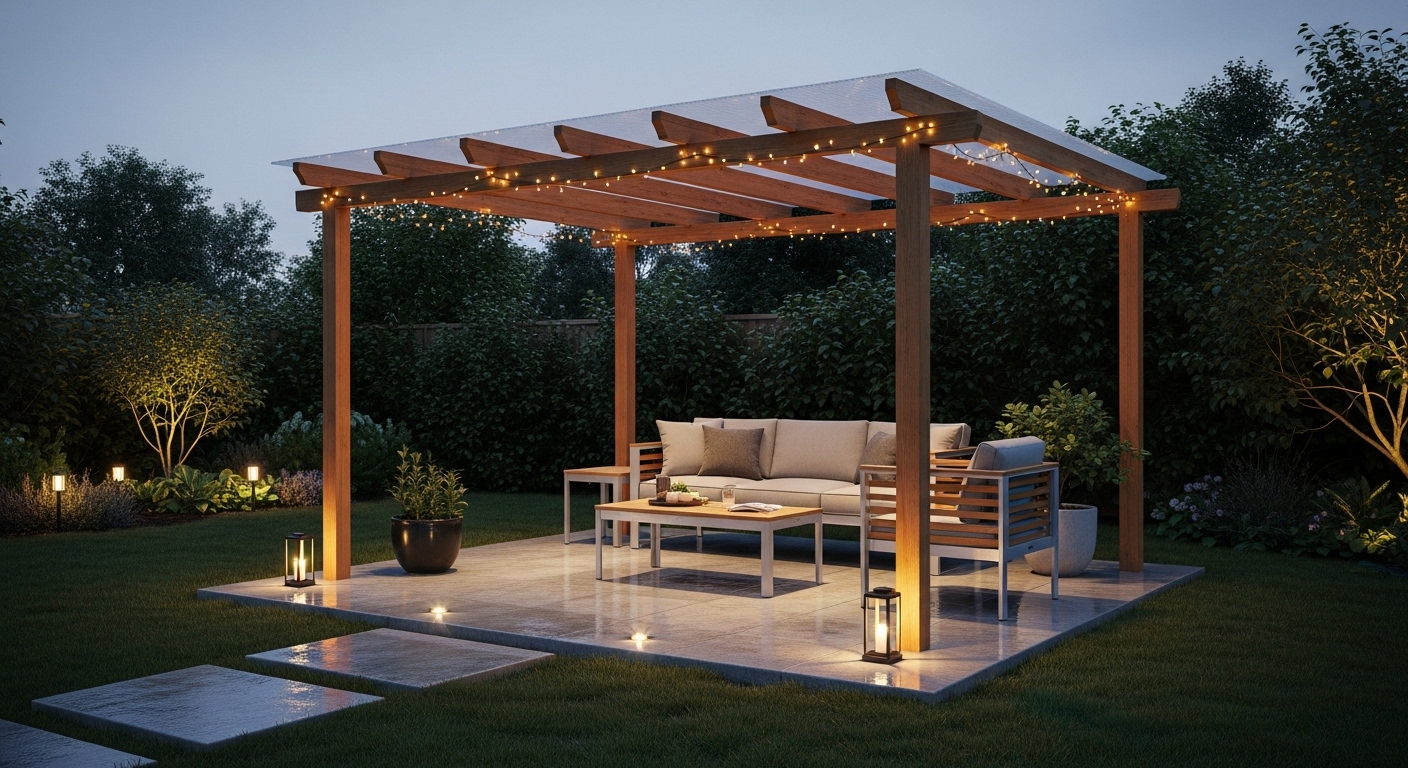
The transition from a daylight garden to an evening retreat often reveals a common design gap: the lack of intentional illumination. Many backyards suffer from “stadium syndrome” – where a single, harsh floodlight bleaches out the landscape or – they remain entirely dark, feeling uninviting and small.
The challenge isn’t just about visibility; it’s about depth and safety. Strategic outdoor lighting acts as a visual bridge, extending the interior warmth of your home into the open air. It’s a planning decision that shifts the perspective from a flat, dark yard to a multi-dimensional sanctuary.
By moving away from purely functional utility and toward a layered aesthetic, you can define boundaries, highlight textures, and create an atmosphere that feels expansive yet intimate.
Whether you are navigating a narrow side yard or a sprawling patio, the right light choices provide the confidence to stay outside long after the sun has set.
1. Defining the Nighttime Perimeter
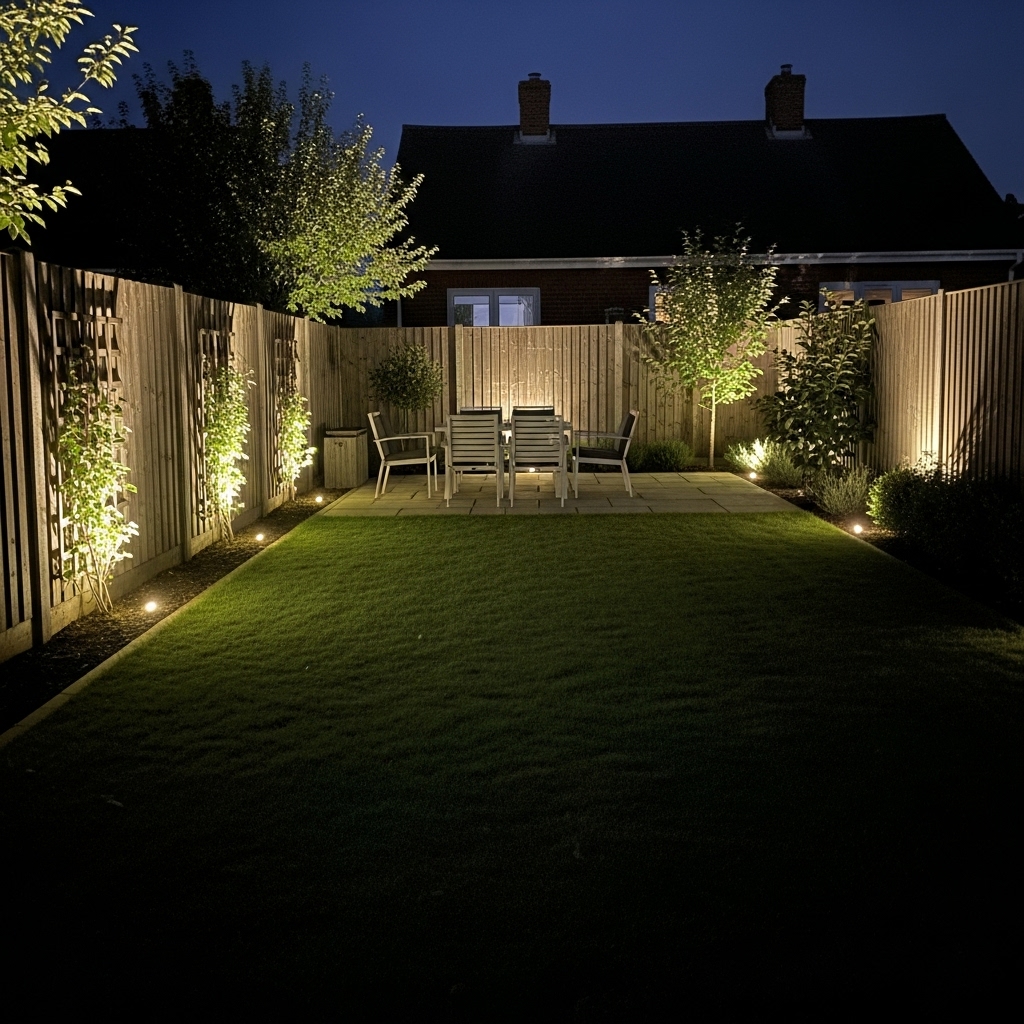
A yard often feels intimidating at night because we can’t see where it ends. Lighting the perimeter is less about security and more about defining the “walls” of your outdoor room.
By placing soft, upward-facing lights at the base of your fence or hedge line, you push back the darkness and make the entire property feel larger. This visual boundary provides a psychological sense of enclosure that is essential for a relaxing evening.
Imagine a backyard where the fence line is barely visible; the space feels like it drops off into a void. Now, picture that same fence bathed in a gentle, warm wash of light that catches the texture of the wood or the leaves of a climbing vine.
The cool night air feels safer and more structured when the edges of your world are defined. This approach ensures that your seating area doesn’t feel like a lonely island in the dark, but rather a curated space within a larger, illuminated landscape.

2. The Art of Moonlighting from Above
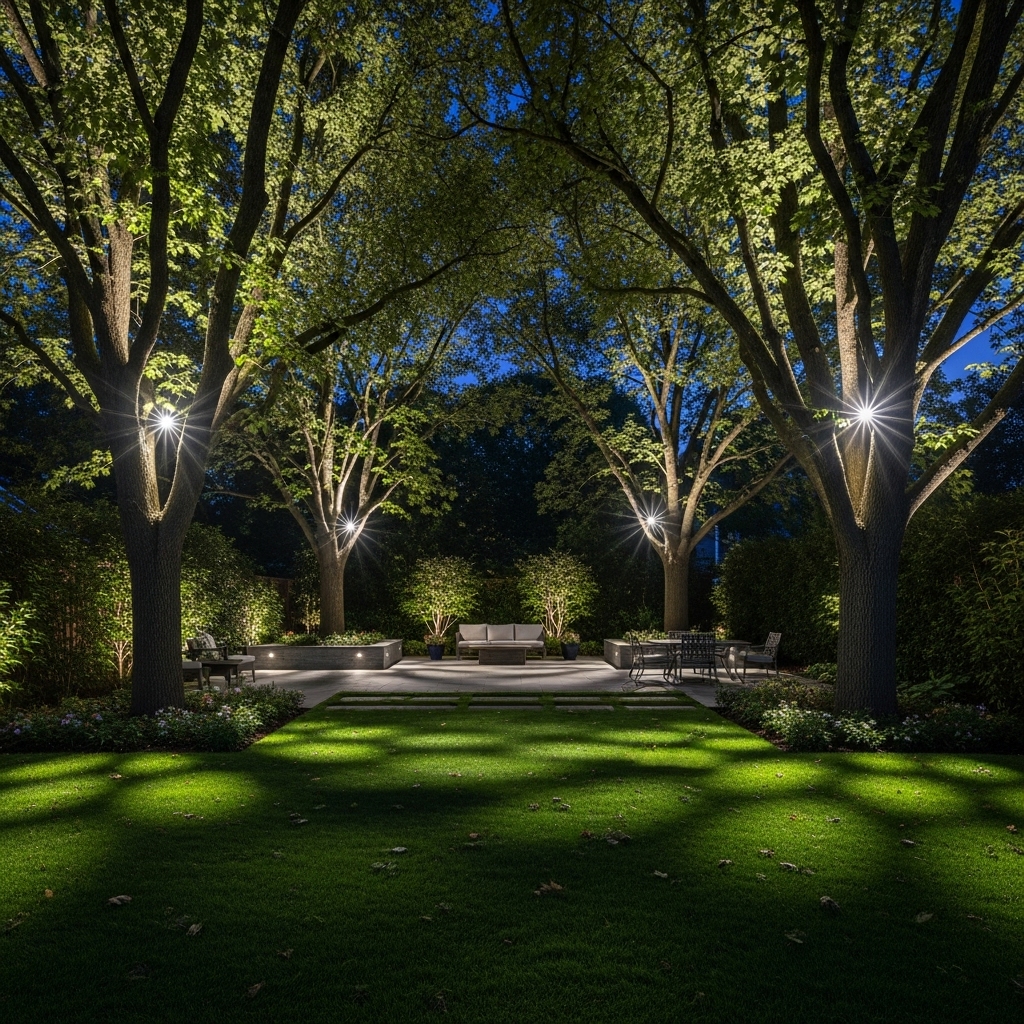
One of the most natural ways to illuminate a space is to mimic the soft, filtered light of a full moon. This is achieved by placing fixtures high up in the canopy of mature trees, angled downward through the branches.
The result is a dappled effect on the ground below, creating intricate shadows and a soft, silver-toned glow that avoids the “interrogation” feel of traditional spotlights.
In a backyard with large oaks or maples, moonlighting creates a romantic, ethereal atmosphere that feels integrated with nature. As a light breeze moves the branches, the shadows on your patio shift and dance, adding a dynamic quality to the environment.
It is a sophisticated way to provide general illumination for a large area without a visible light source. This technique keeps the focus on the landscape itself, making the trees feel like architectural pillars supporting a ceiling of light.
3. Creating Intimacy with Low-Level Path Lighting
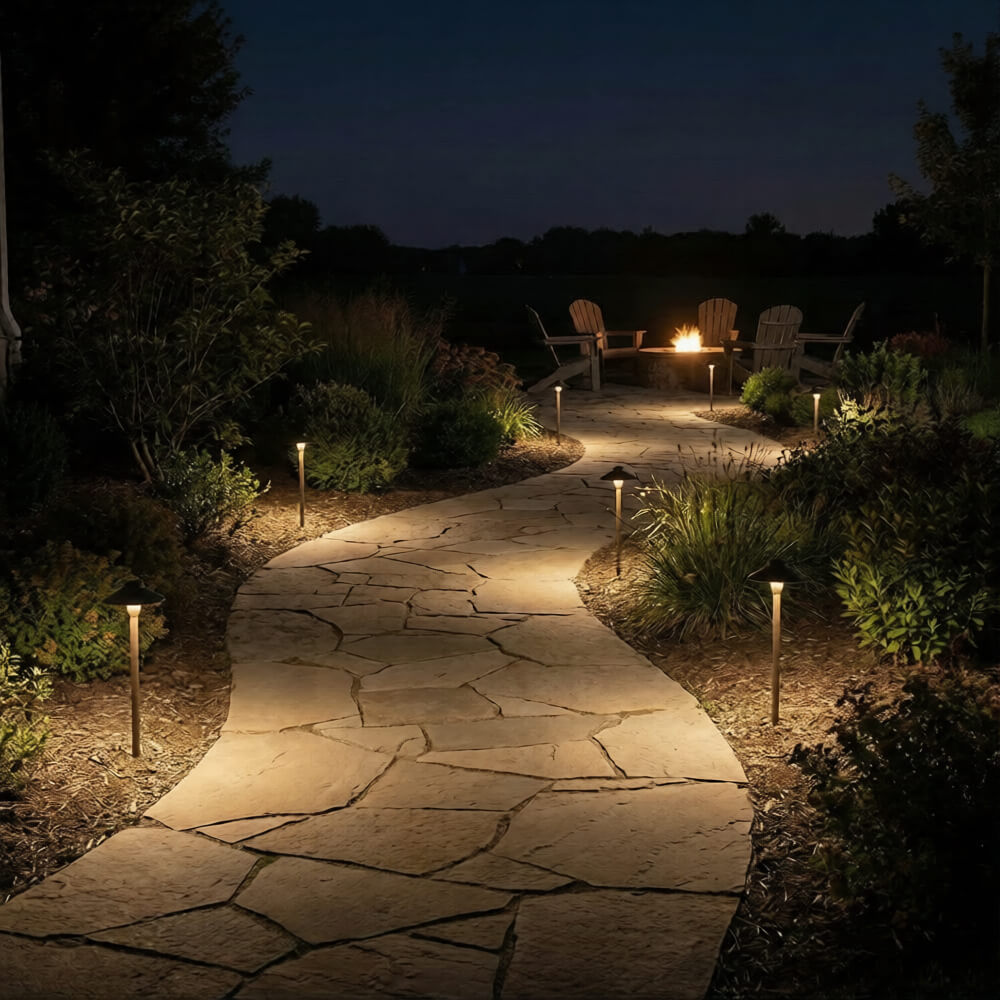
Safety is a primary concern in any outdoor plan, but path lighting shouldn’t look like an airport runway.
The goal is to guide the foot without overwhelming the eye. By using low-profile fixtures that direct light strictly downward, you can illuminate walkways and stairs while keeping the surrounding garden in a soft, mysterious shadow.
Consider a winding stone path leading to a fire pit. If the lights are too bright or aimed upward, they cause glare that makes it harder to see the stars. However, a series of staggered, warm LEDs tucked into the foliage provides just enough glow to see the texture of the stone and the change in elevation.
This creates a rhythmic, inviting flow through the yard. It transforms a simple walk to the seating area into an intentional journey, where each step feels grounded and secure.
4. Uplighting as an Architectural Statement
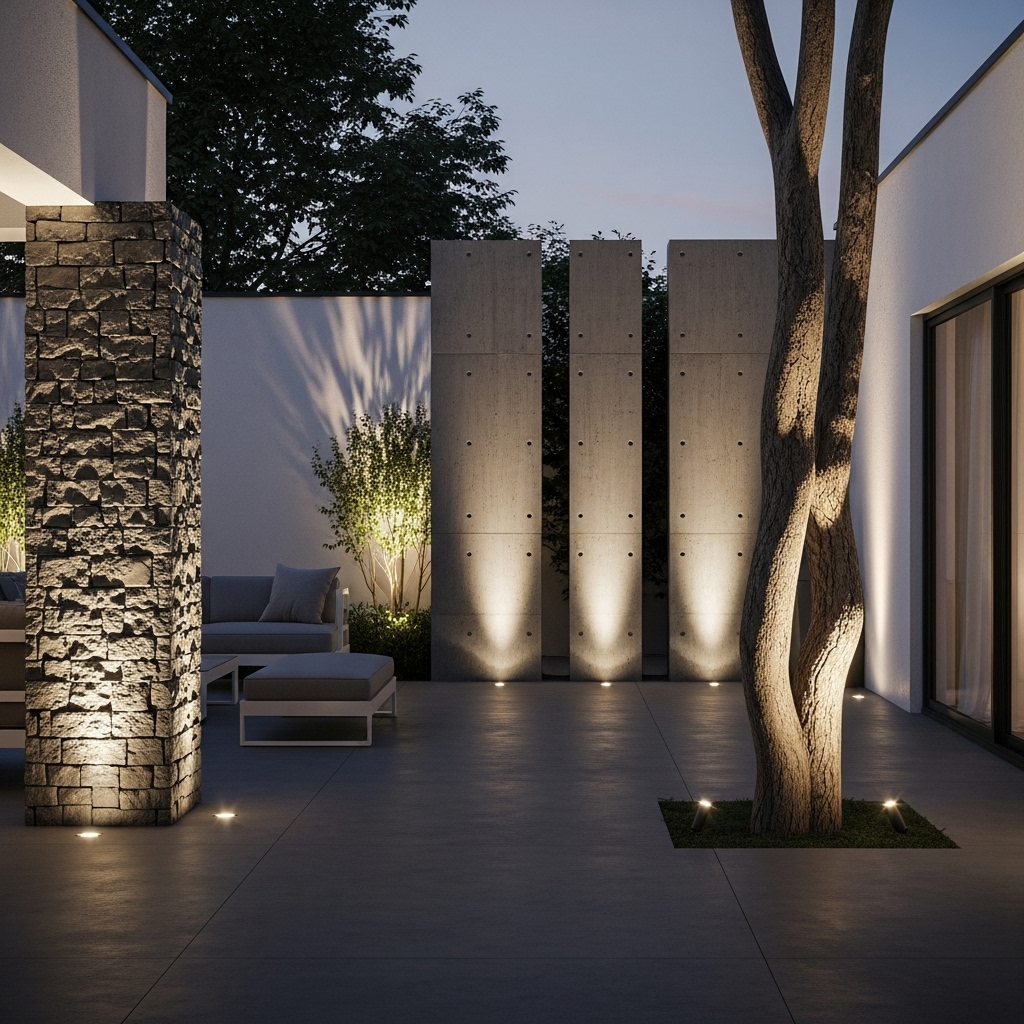
Uplighting is the secret to making a backyard feel expensive and curated. By placing lights at the base of architectural features such as a stone pillar, a water feature, or a sculptural tree, you create a sense of drama and height.
This technique emphasizes the vertical elements of your design, which are often lost in the dark. For a homeowner with a modern, minimalist patio, a few well-placed uplights against a textured concrete wall can transform a flat surface into a work of art.
The way the light grazes the surface reveals every highlight and shadow, adding a tactile quality to the space. It’s a sensory experience that draws the eye upward, making a small courtyard feel more grand.
This vertical focus balances the horizontal lines of your furniture and flooring, creating a complete visual environment that feels intentional from every angle.
5. Enhancing Water Features with Submersible Glow
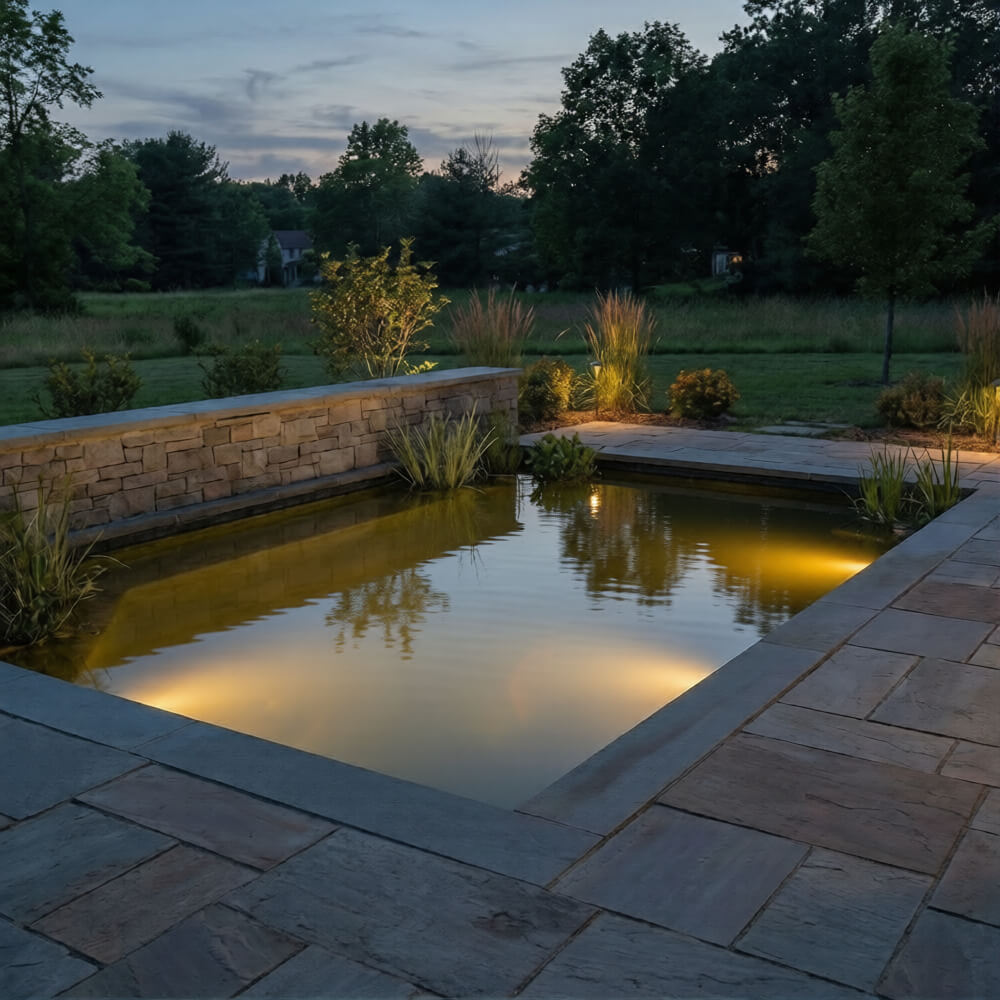
Water and light have a natural affinity for one another. If you have a pond, fountain, or pool, adding light from within the water creates a magical, shimmering effect that is impossible to replicate on land.
Submersible lights turn a dark, reflective pool into a glowing centerpiece that anchors the entire backyard. In a quiet evening setting, the sight of light dancing through moving water provides a meditative quality. The ripples cast moving patterns on nearby walls or ceilings, creating a living mural of light and shadow.
It is a subtle way to add movement to a static space. Whether it is a soft blue glow from the bottom of a pool or a warm amber light behind a waterfall, this technique ensures that your water feature remains a focal point even when the sun goes down, adding a layer of luxury to the night.
6. The Versatility of String Lights and Canopies
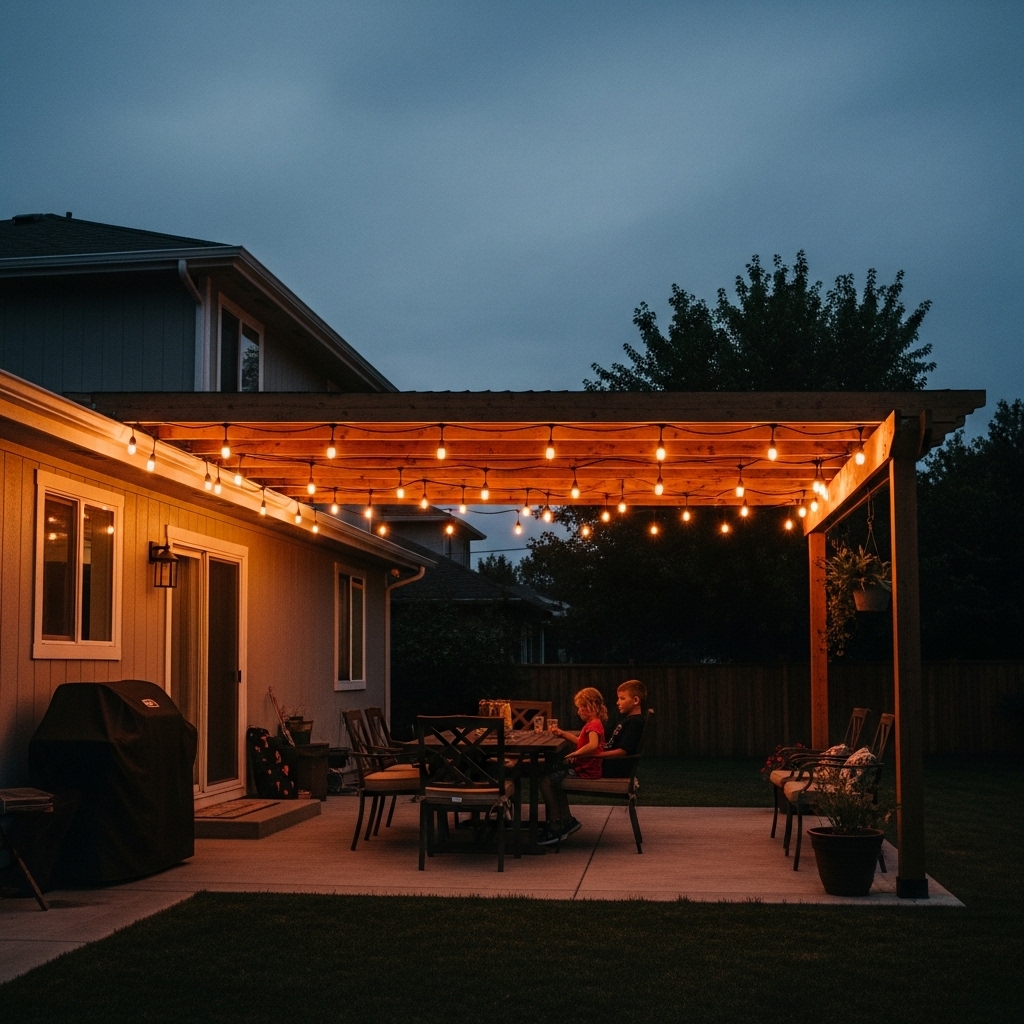
For an instant transformation that feels celebratory and warm, string lights remain a favorite for a reason. They provide a “ceiling” of light that immediately makes a patio feel like a festive bistro. The key to making them look professional rather than temporary is in the tension and the placement.
Imagine a family gathering under a canopy of Edison-style bulbs draped between a pergola and the house. The warm, amber glow casts a flattering light on everyone’s faces, creating an immediate sense of community. The slight sway of the bulbs in the wind adds a casual, relaxed rhythm to the evening.
This overhead layer of light fills the “middle zone” of the yard, bridging the gap between high moonlighting and low path lights. It is a cost-effective way to add a lot of personality and warmth to a seating area with very little planning friction.
7. Silhouetting for Dramatic Backdrops

Silhouetting involves placing a light source behind an object, such as a multi-trunked tree or a decorative screen, and aiming it toward a wall.
This creates a dark, dramatic outline of the object against a bright background. It is a high-impact design choice that works particularly well for plants with interesting shapes, like agaves or ornamental grasses.
In a modern desert-style backyard, silhouetting a large cactus can create a striking focal point that feels like a piece of gallery art. The contrast between the dark, sharp edges of the plant and the soft wash of light behind it adds a sense of depth and layers to the garden.
This technique is especially useful in narrow spaces where you may not have room for a lot of bulky décor. It uses the plants you already have to create a visual story, making the backyard feel curated and sophisticated without clutter.
8. Utilizing Shadowing for Visual Texture
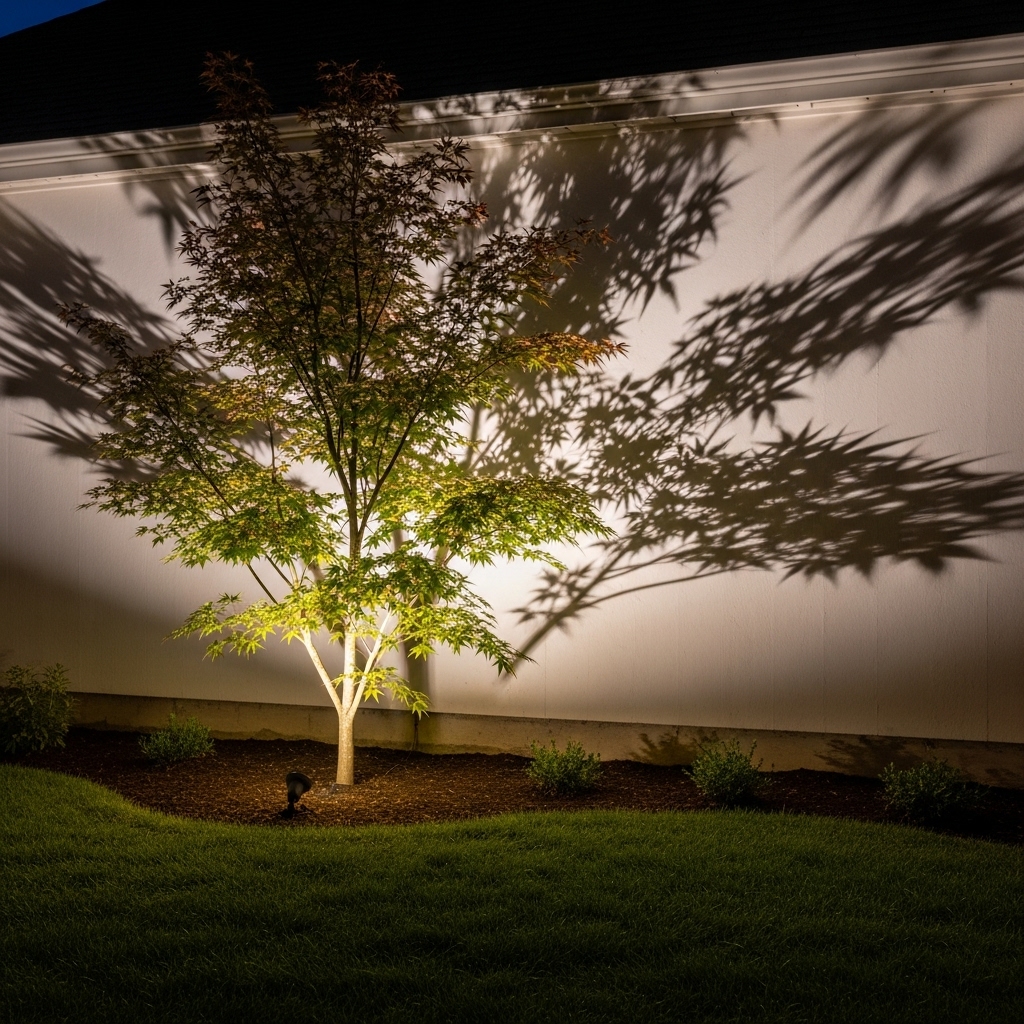
Shadowing is the inverse of silhouetting. By placing a light in front of an interesting object and aiming it toward a vertical surface, you “project” the shadow of that object onto the wall. This is a brilliant way to add texture to a plain fence or the side of a house.
A practical scenario might involve a leafy Japanese Maple positioned near a stucco wall. When lit from the front, the delicate, intricate leaves are projected as a giant, moving shadow on the wall. The effect is almost like a botanical wallpaper that changes as the wind blows.
It adds a sensory, organic layer to the hard surfaces of your home. This approach makes the nighttime garden feel active and alive, turning a simple tree into a source of visual entertainment that changes with the seasons.
9. The Practicality of Step and Deck Lighting
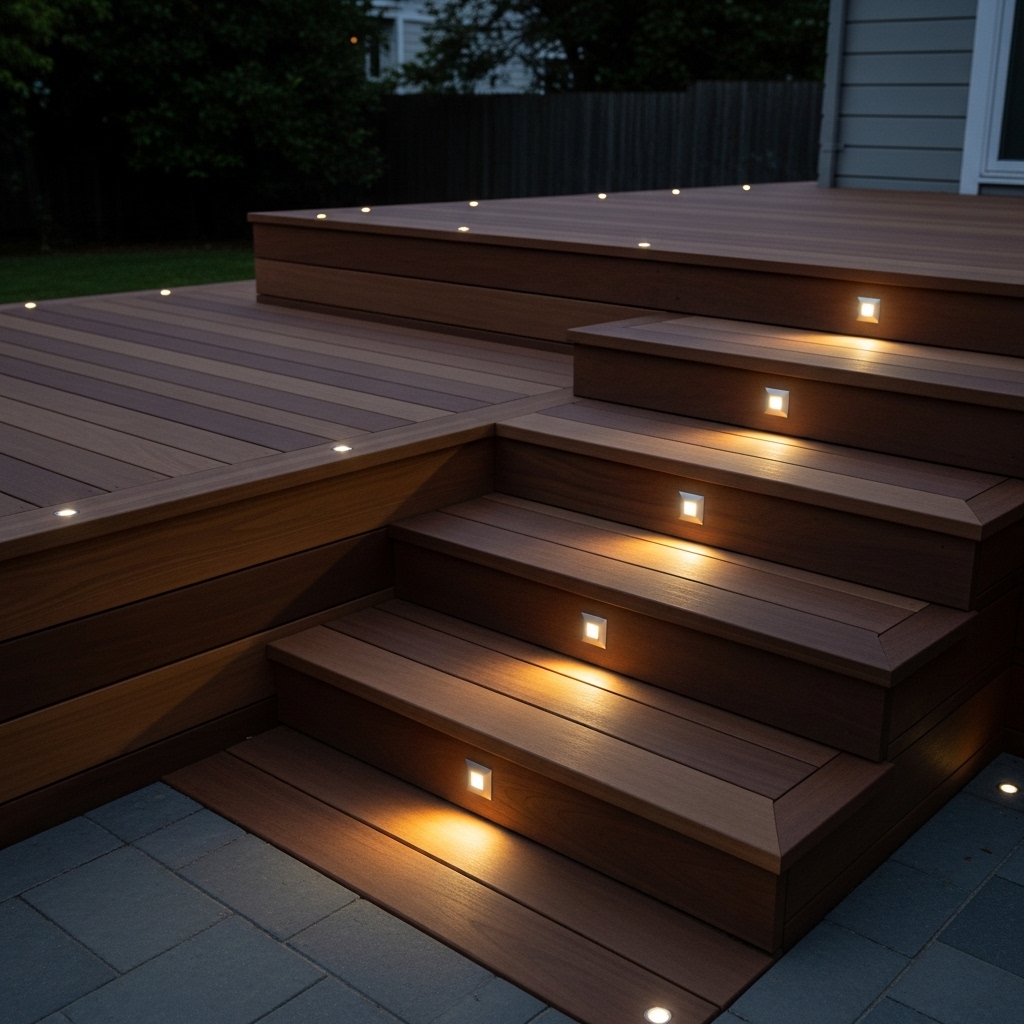
Steps can be a significant hazard in the dark, but they are also a great opportunity for design. Integrated step lights, tucked into the risers or side walls, provide a soft glow that marks the transition between levels without being an eyesore.
This type of lighting is essential for any backyard with multiple tiers or a raised deck. On a redwood or composite deck, small “dot” lights recessed into the floorboards define the perimeter and make the space feel safer for children and elderly guests.
The low-angle light emphasizes the grain of the wood and the clean lines of the construction. It provides a grounded, stable feeling to the space. When you can see where you are stepping without needing a bright overhead light, you are much more likely to use the entire deck, from the dining area to the far corners, well into the night.
10. Creating a “Flicker” with Candlelight and Lanterns
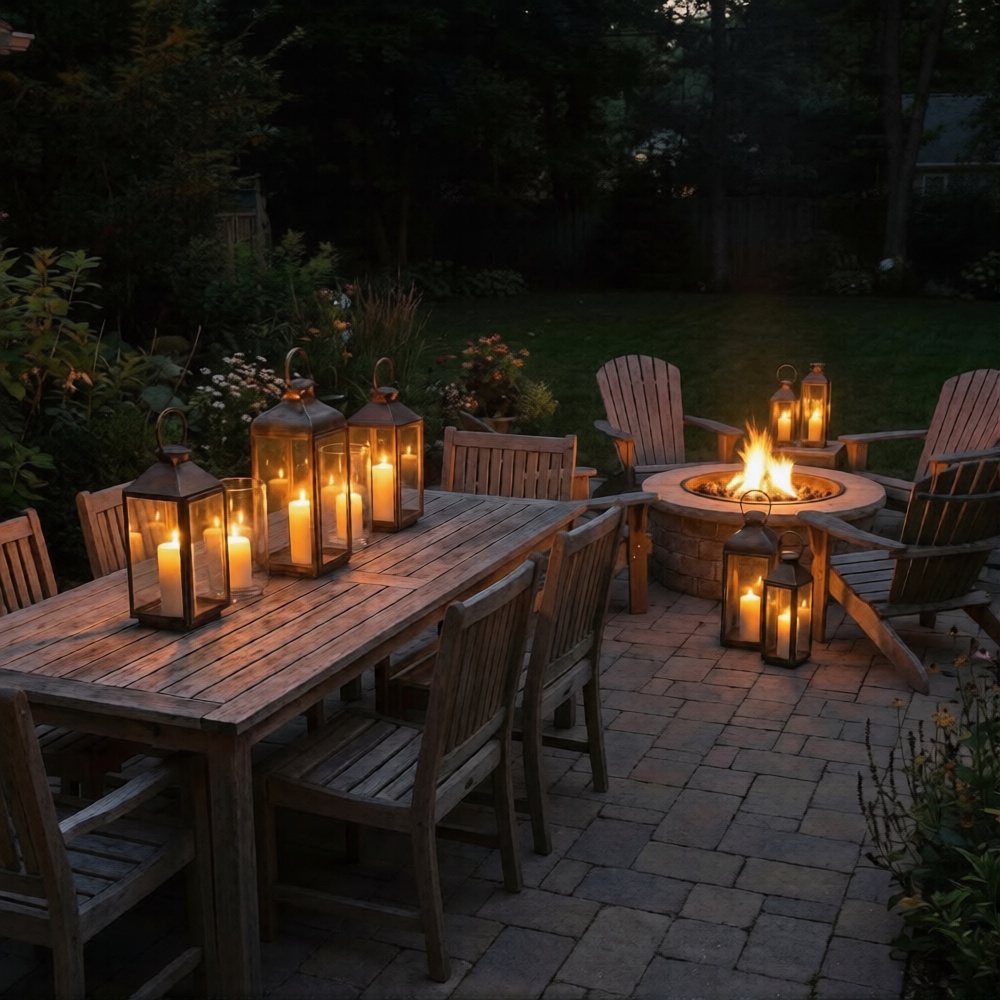
Not all lighting needs to be electric. The oldest and most human form of evening light is the flame. Incorporating lanterns, torches, or a fire pit adds a living, breathing element to the yard.
The warmth of a real flame provides a spectrum of light that LEDs struggle to perfectly replicate, creating a sense of ancient comfort. Picture a dinner party where the table is lined with oversized lanterns filled with flickering pillar candles.
The movement of the flame adds a tactile, rhythmic quality to the conversation. It creates an intimate “bubble” of warmth that feels separated from the rest of the world.
Even in a rental property where you can’t install permanent fixtures, a collection of lanterns can instantly transform a basic patio into a high-trust, cozy sanctuary. The soft, shifting light encourages people to lean in and stay a while, making the evening feel unhurried.
11. Highlighting Statues and Focal Points with Cross-Lighting
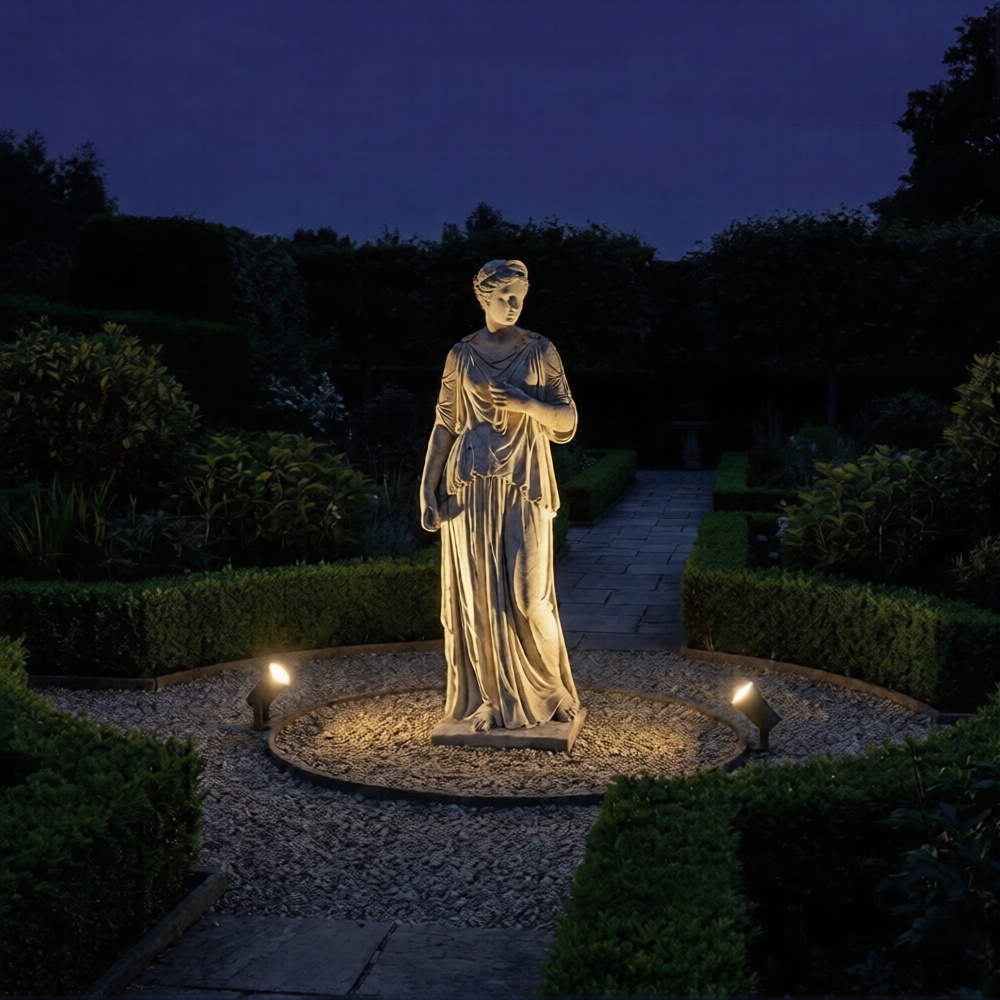
If you have a primary focal point, like a large sculpture, a beautiful urn, or a specimen tree, a single light can often look flat. “Cross-lighting” using two lights from different angles adds three-dimensional depth and eliminates harsh shadows.
This is the difference between a yard that looks lit and a yard that looks “designed.” In a formal garden, cross-lighting a classic stone bust makes the features pop and gives the object a sense of presence.
The two beams of light intersect, revealing the curves and textures that a single light would hide. This technique adds a layer of professional polish to the backyard. It signals that every choice in the space was intentional, fostering a sense of pride in the environment.
By treating your focal points like museum pieces, you elevate the entire backyard experience to something truly special.
12. Managing the Transition from Inside to Out
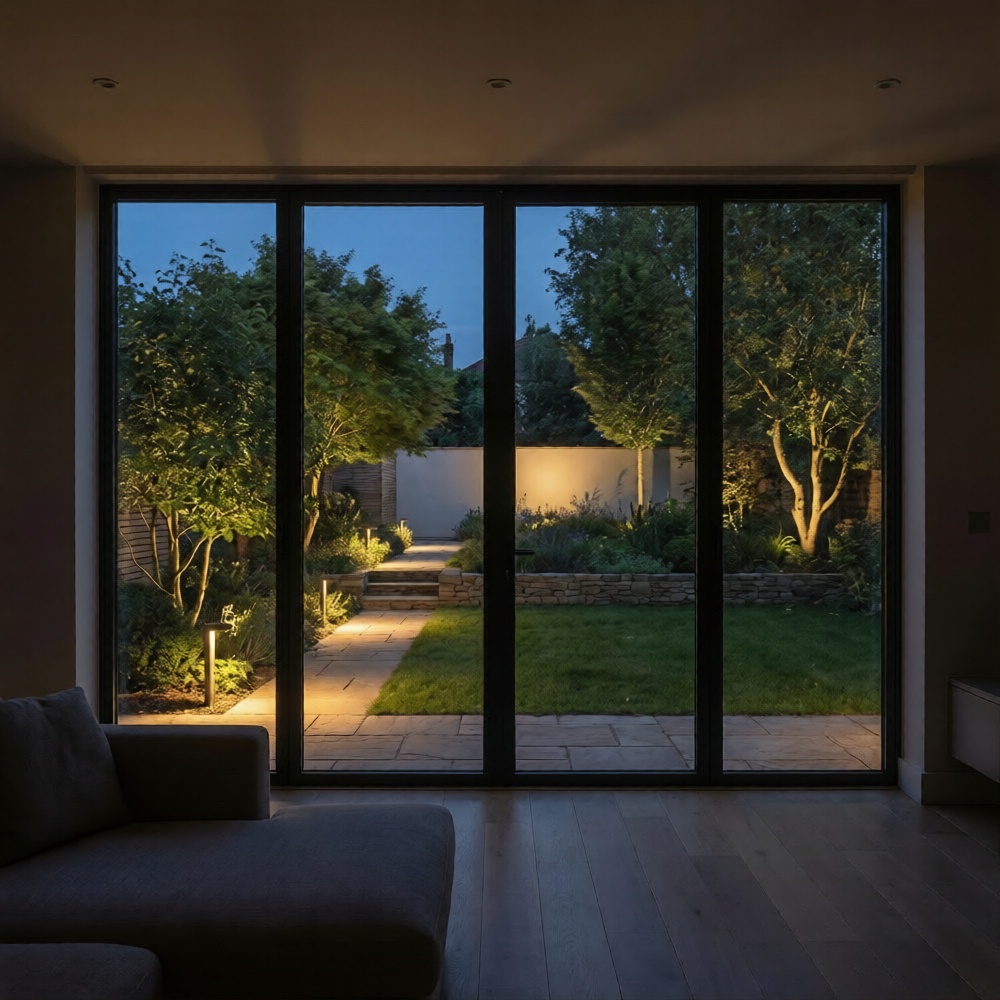
A common mistake is forgetting how the backyard looks from inside the house.
If the lighting is too bright near the windows, the glass becomes a mirror, and you can’t see the yard at all. By placing lights further out in the landscape and keeping the area immediately next to the house dim, you create a seamless visual transition.
Imagine sitting in your living room and looking out through the glass doors. Instead of a black void, you see a gently glowing garden that feels like an extra room of the house. This “visual extension” makes your indoor living space feel much larger and more connected to nature.
It encourages you to step outside more often because the backyard feels like an inviting continuation of your home’s interior design, rather than a separate, dark entity.
13. Using Task Lighting for Outdoor Living Zones
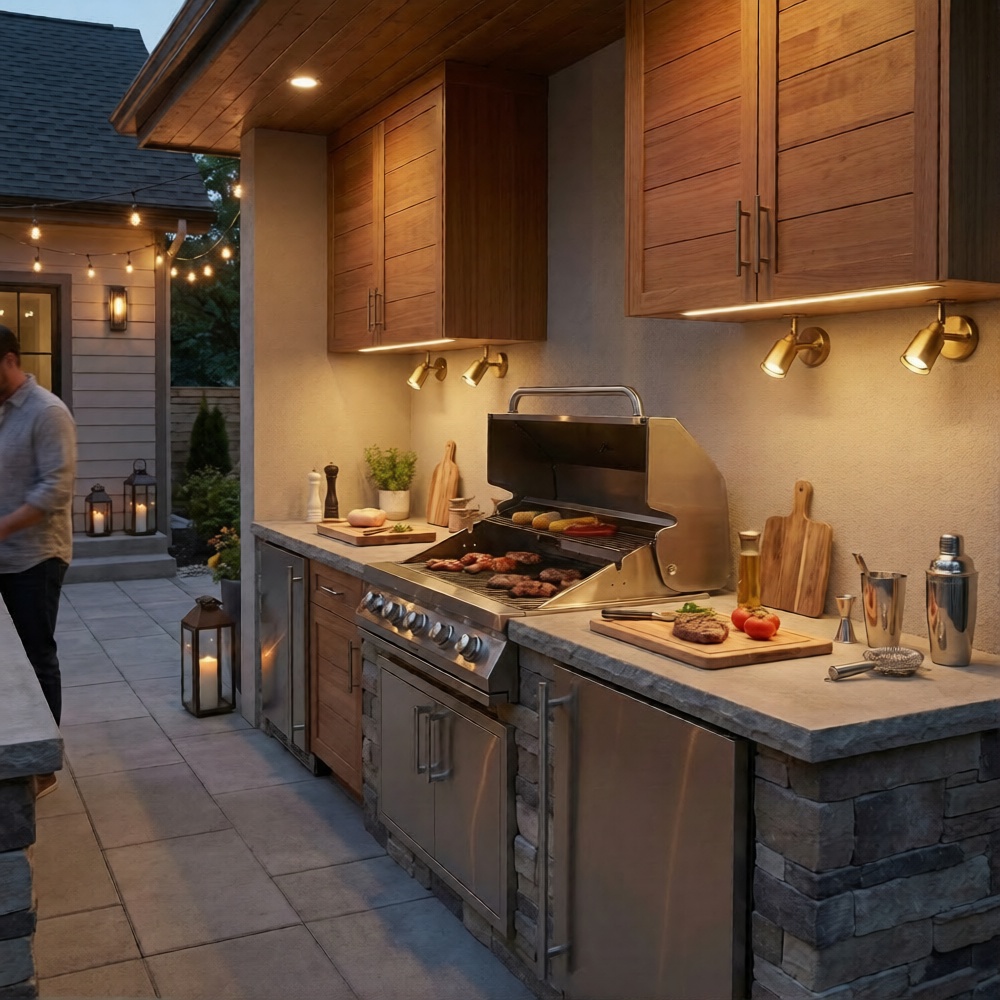
In areas where you actually do things – like an outdoor kitchen or a potting bench – utility is king. However, task lighting doesn’t have to be clinical. Under-cabinet lighting or small, adjustable spot lamps can provide the precision needed for grilling or mixing drinks without ruining the mood of the rest of the patio.
For a homeowner who loves to host, having clear, warm light over the BBQ area is a game-changer. It prevents the frustration of squinting at the grill and allows the chef to remain part of the social circle.
By choosing fixtures that match the style of your decorative lights, the task lighting blends in during the day and works hard at night. It’s a realistic planning choice that ensures your outdoor kitchen is as functional at 9 PM as it is at noon, supporting a high-trust entertaining environment.
14. Solar Solutions for Flexible Planning
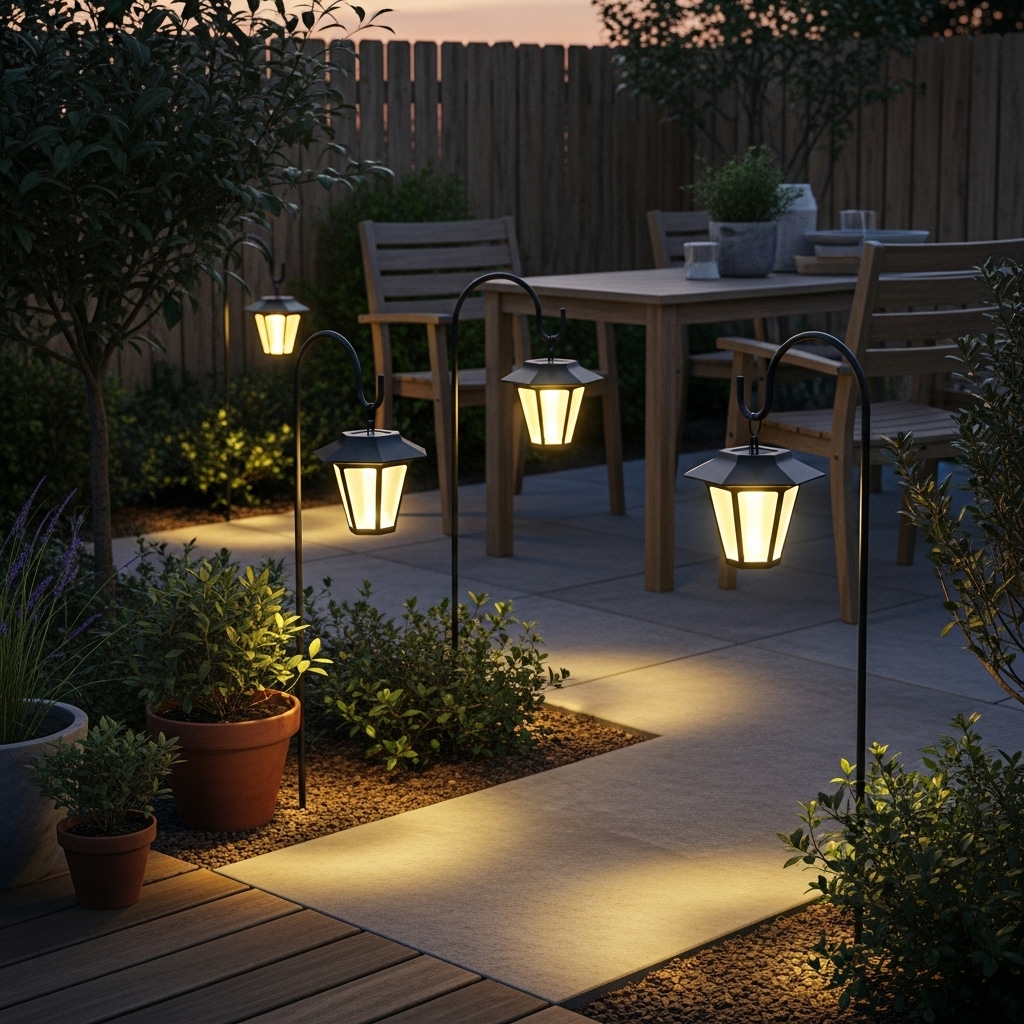
While hardwired systems offer the most control, modern solar technology has come a long way. Solar lights are an excellent option for areas where running wires is difficult or for renters who want to transform a space temporarily.
The key is to look for high-quality units with large panels and warm-white LEDs to avoid the “blue” tint of cheap solar stakes. In a small rental patio, a few solar-powered lanterns hung from shepherd’s hooks can create a charming, low-maintenance glow.
They charge during the day and turn on automatically at dusk, requiring zero effort from the user. This flexibility allows you to experiment with different lighting layouts before committing to a permanent installation.
It lowers the barrier to entry for outdoor lighting, allowing anyone to instantly improve their evening environment regardless of their budget or property type.
15. Smart Systems and Dimmable Control
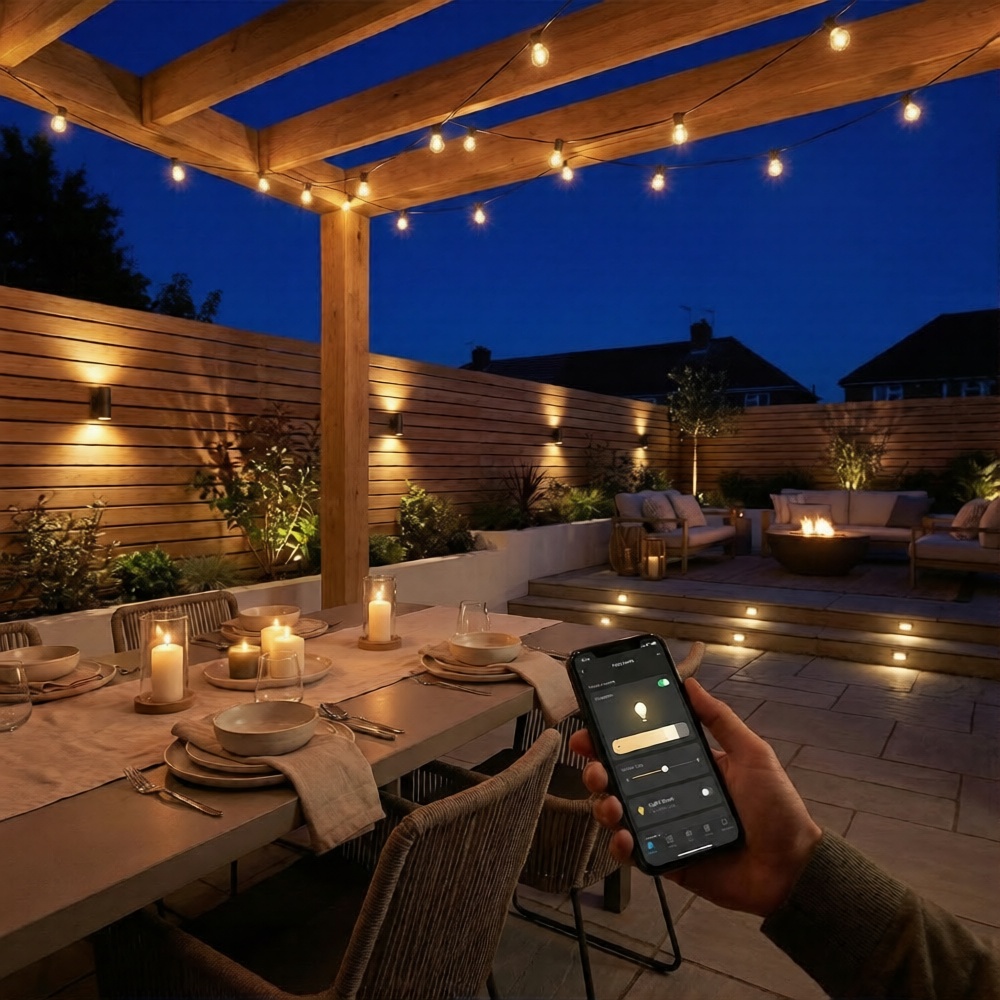
The final touch in a transformative lighting plan is the ability to control it. Modern smart systems allow you to dim your lights, change their warmth, or even set specific “scenes” from your phone.
Being able to drop the light level by 50% when the meal is over and the conversation turns to coffee is a powerful tool for setting the mood. Imagine the transition from a brightly lit BBQ dinner to a soft, glowing lounge atmosphere with a single tap.
The ability to dim the lights allows you to adjust for the moon’s brightness or the specific energy of the night. It adds a layer of sophistication that makes the backyard feel high-tech yet incredibly human.
This control ensures that the lighting always serves the moment, rather than the moment having to adapt to the lighting, providing long-term usability and enjoyment.
Frequently Asked Questions
Q1. What color temperature is best for outdoor lighting?
For a backyard that feels cozy and high-trust, you should almost always choose “warm white” bulbs, typically between 2700K and 3000K.
This temperature range mimics the warm glow of an incandescent bulb or a sunset, which is naturally relaxing to the human eye. Avoid “cool white” or “daylight” bulbs (4000K-5000K), as these can look clinical, harsh, and blue at night, often attracting more insects and making the space feel less like a home.
Q2. How do I prevent my outdoor lights from bothering the neighbors?
The key is “aiming and shielding.” Choose fixtures that are “full cutoff” or “dark-sky compliant,” meaning they direct light strictly downward and shield the bulb from direct view. Avoid aiming spotlights toward neighboring windows or properties.
By focusing your light on your own trees, paths, and walls, you keep the illumination contained within your yard, creating a private sanctuary without causing light pollution for those around you.
Q3. Are LED lights better than halogen for the outdoors?
Yes, LEDs are now the industry standard for several reasons. They use about 80% less energy than halogen bulbs and last significantly longer, often up to 50,000 hours.
This means much less maintenance and lower utility bills. Furthermore, LEDs run much cooler, making them safer to tuck into foliage or near wooden structures. Most high-quality LED fixtures now offer the same warm, rich color quality as traditional halogen.
Q4. How much maintenance does an outdoor lighting system require?
A well-planned system requires very little upkeep. Once or twice a year, it’s a good idea to wipe the lenses of your fixtures to remove dirt or hard water spots, which can dim the light. You should also check for any overgrown foliage that might be blocking the beams and trim it back.
For hardwired systems, occasionally check that the transformer is clear of debris. Beyond that, modern systems are designed to be “set it and forget it.”
Conclusion
A well-lit backyard is more than just a collection of lamps; it is a thoughtfully designed environment that supports the way you want to live. By layering your light and focusing on the interplay of shadow and texture, you transform a simple patch of grass into a multi-dimensional retreat.
The confidence to use your outdoor space at any hour is a direct result of smart planning and a few key choices that prioritize atmosphere over mere brightness. As you refine your evening sanctuary, remember that the most beautiful light is the one that makes you and your guests want to stay just a little bit longer.