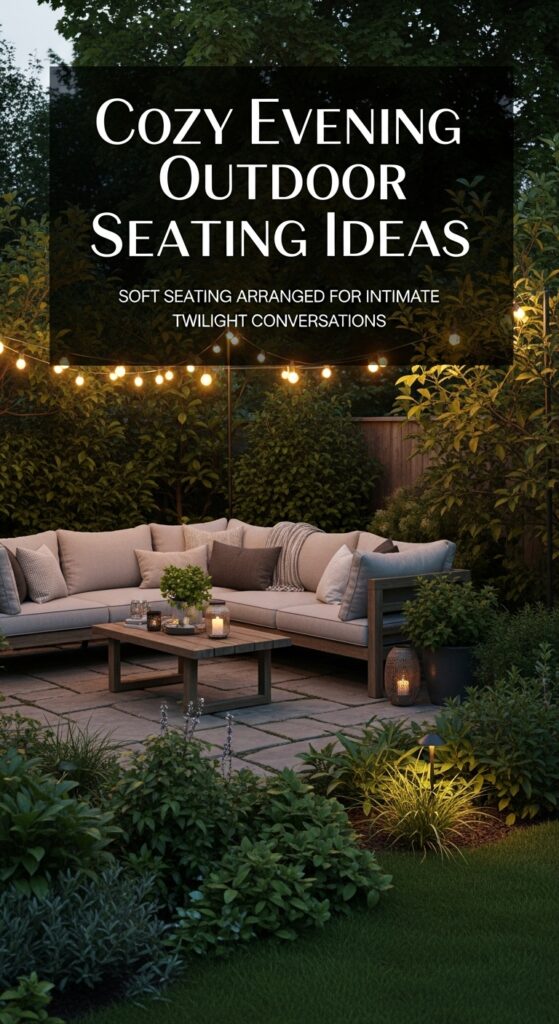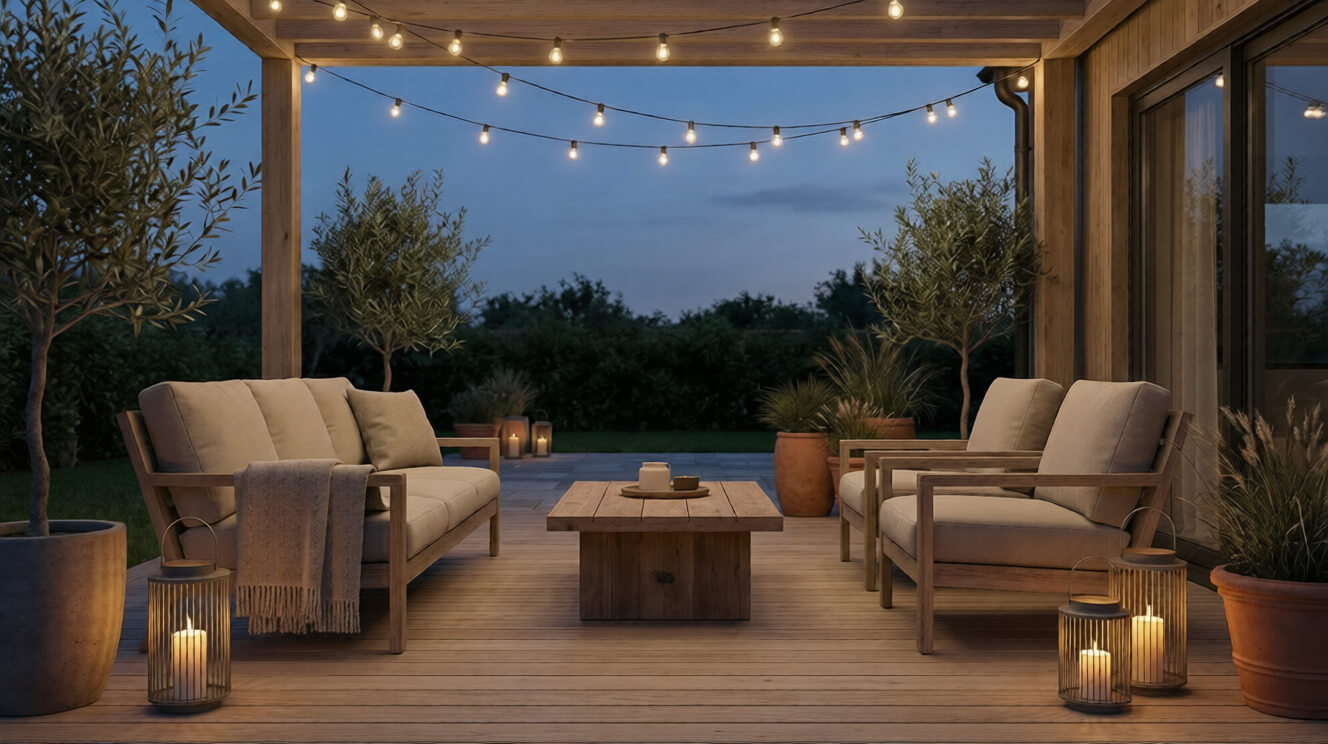
The transition from a bright, functional backyard to a restful evening retreat is often where many homeowners feel stuck. While a patio may look beautiful under the midday sun, it can often feel exposed, chilly, or uninviting once the sun goes down.
The frustration usually stems from a lack of “environmental layering” – the subtle combination of light, heat, and physical boundaries that transform an open space into an intimate room. Building a truly cozy outdoor seating area requires looking past the furniture itself and focusing on the atmosphere it creates.
It is about solving the friction of the evening chill or the harshness of a single overhead floodlight. By planning your space around the way light fades and how conversation naturally flows, you can create a sanctuary that feels less like a yard and more like a private lounge.
1. Defining the Sense of Enclosure
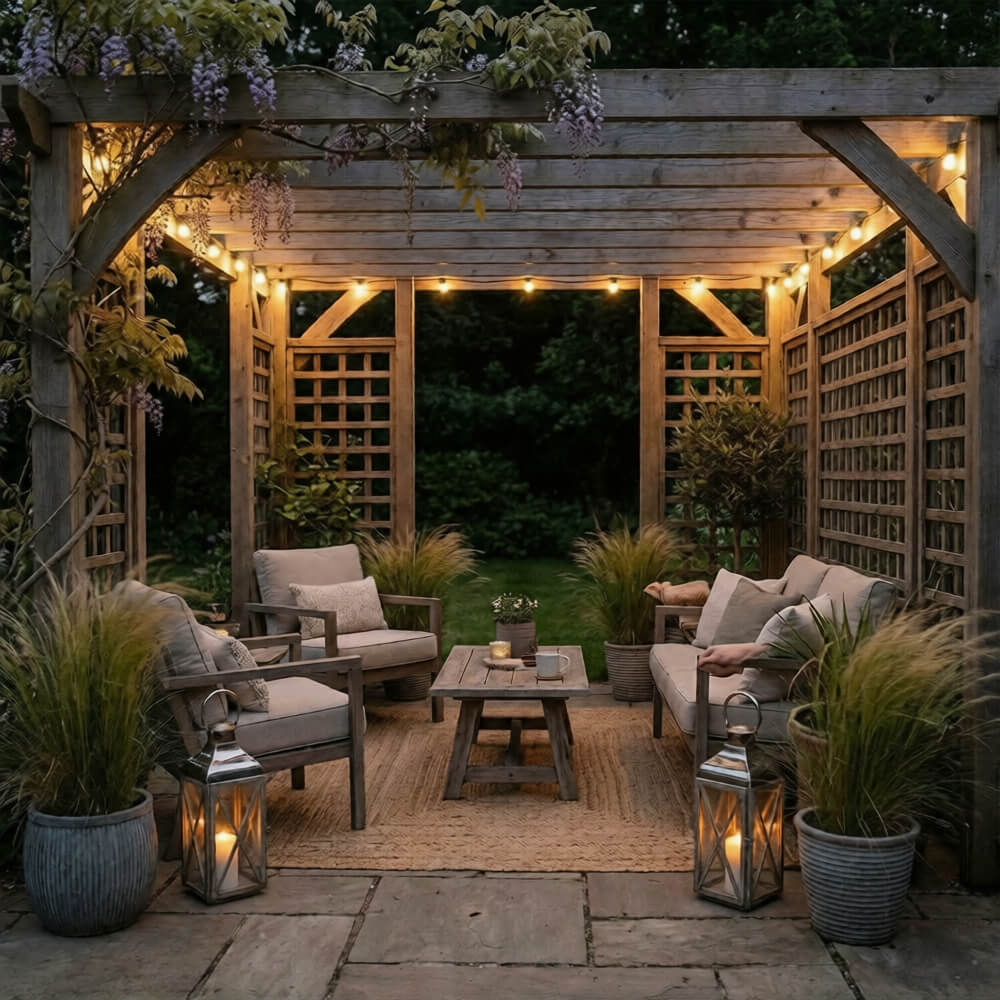
A primary reason outdoor spaces feel “un-cozy” is the lack of boundaries. In an open backyard, you can feel vulnerable to the elements or the gaze of neighbors. Creating a sense of enclosure doesn’t require permanent walls; it’s about establishing a “ceiling” and “walls” through softer design choices.
This provides a psychological sense of safety and intimacy that is essential for evening relaxation. Consider the difference between sitting in the middle of a vast lawn versus nestled under a pergola or a large cantilever umbrella.
Adding vertical elements like tall potted grasses, lattice screens, or even outdoor drapery can define the perimeter. When the wind picks up slightly, the gentle rustle of fabric or leaves creates a sensory boundary.
This physical framing traps a bit of the day’s warmth and makes the seating area feel like a dedicated room rather than an afterthought in the grass.
2. Prioritizing Softness and Tactile Comfort
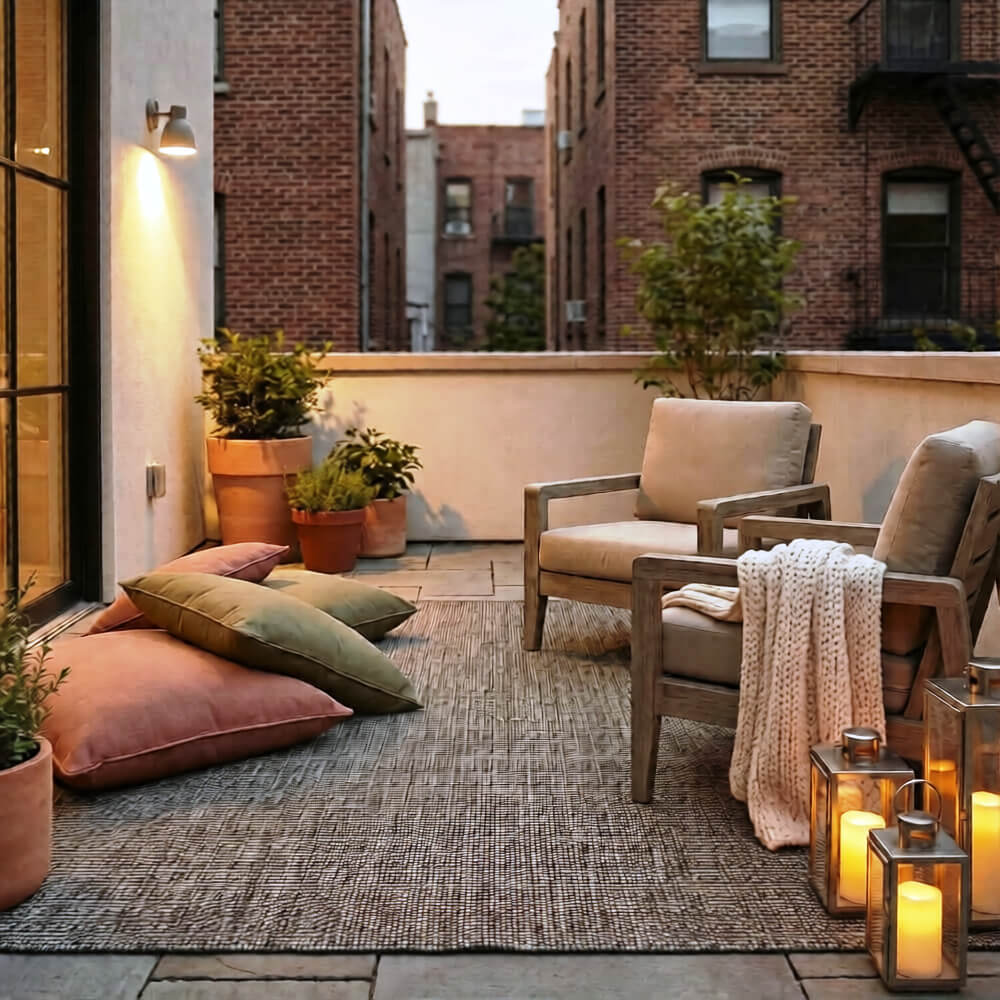
Evening comfort is heavily dictated by texture. Hardwood decks and stone pavers are beautiful, but they can feel cold and clinical underfoot at night. Introducing textiles is the fastest way to soften the environment.
High-quality outdoor rugs are the foundation of this approach, providing a plush surface that separates the seating area from the “work” zones of the yard.
In a practical scenario, imagine a small urban patio transformed by a thick, woven polypropylene rug and a few oversized floor cushions. These additions invite people to linger rather than just sit.
The tactile contrast between a smooth teak chair and a chunky knit outdoor throw blanket adds depth to the experience. By choosing materials that feel good against the skin, you ensure that the space remains inviting even as the temperature begins to drop.
3. The Nuance of Layered Lighting
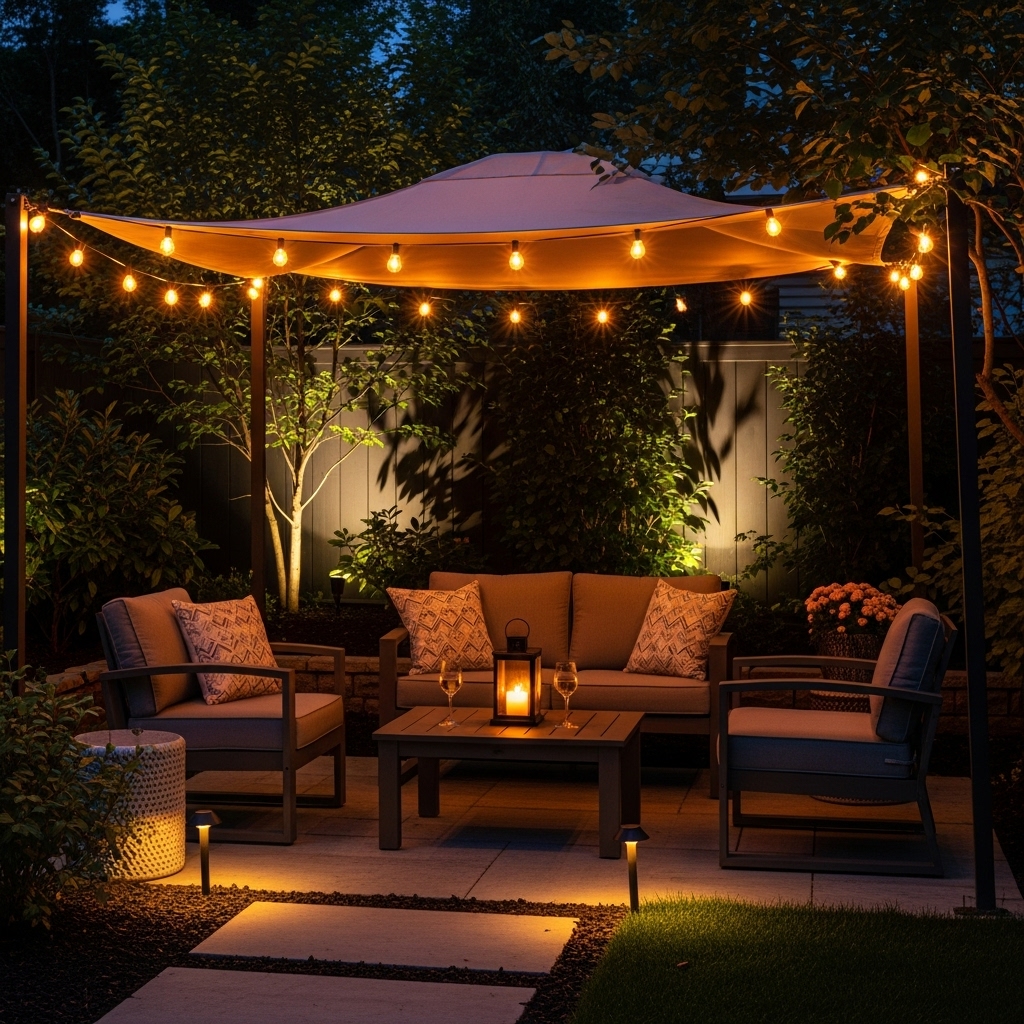
Nothing kills a cozy mood faster than a single, bright light source. Professional outdoor design relies on “layering” to create a glow rather than a glare. This involves spreading light across three levels:
path lighting for safety, accent lighting for trees or architectural features, and task lighting for the seating area itself.
When you sit down for an evening drink, you want “pools” of light. Dimmable string lights overhead provide a soft, starlit canopy, while low-voltage uplights in the garden cast dramatic shadows that give the space a sense of mystery.
The subtle amber glow of a hurricane lantern on the table provides the immediate warmth needed for conversation. This multi-layered approach allows you to adjust the intensity based on the mood, ensuring the space never feels like a parking lot.
4. Centering the Space Around a Living Flame
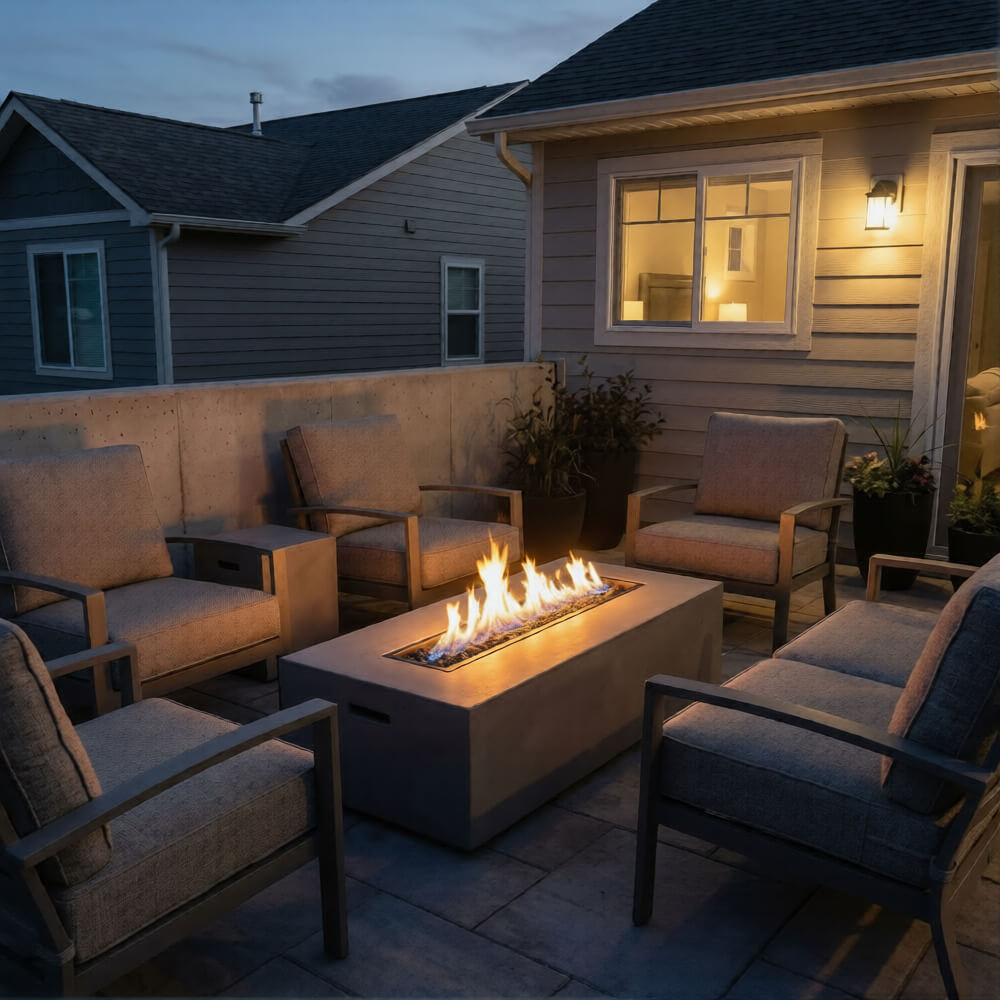
Fire is the ultimate focal point for any evening outdoor space.
It provides light, warmth, and a rhythmic, hypnotic movement that naturally draws people together. Whether it is a modern propane fire table or a classic wood-burning pit, the presence of fire changes the energy of the patio from a dining area to a gathering spot.
For those with limited space, a tabletop fire bowl can offer the same flickering ambiance without the smoke or the large footprint. Imagine the sound of a crackling fire as a backdrop to a quiet conversation under the stars. The scent of woodsmoke or the clean blue flame of gas provides a sensory anchor.
A fire source extends the usability of your patio into the late autumn months, making the investment in outdoor living feel much more substantial.
5. Anchoring the Layout with Substantial Furniture
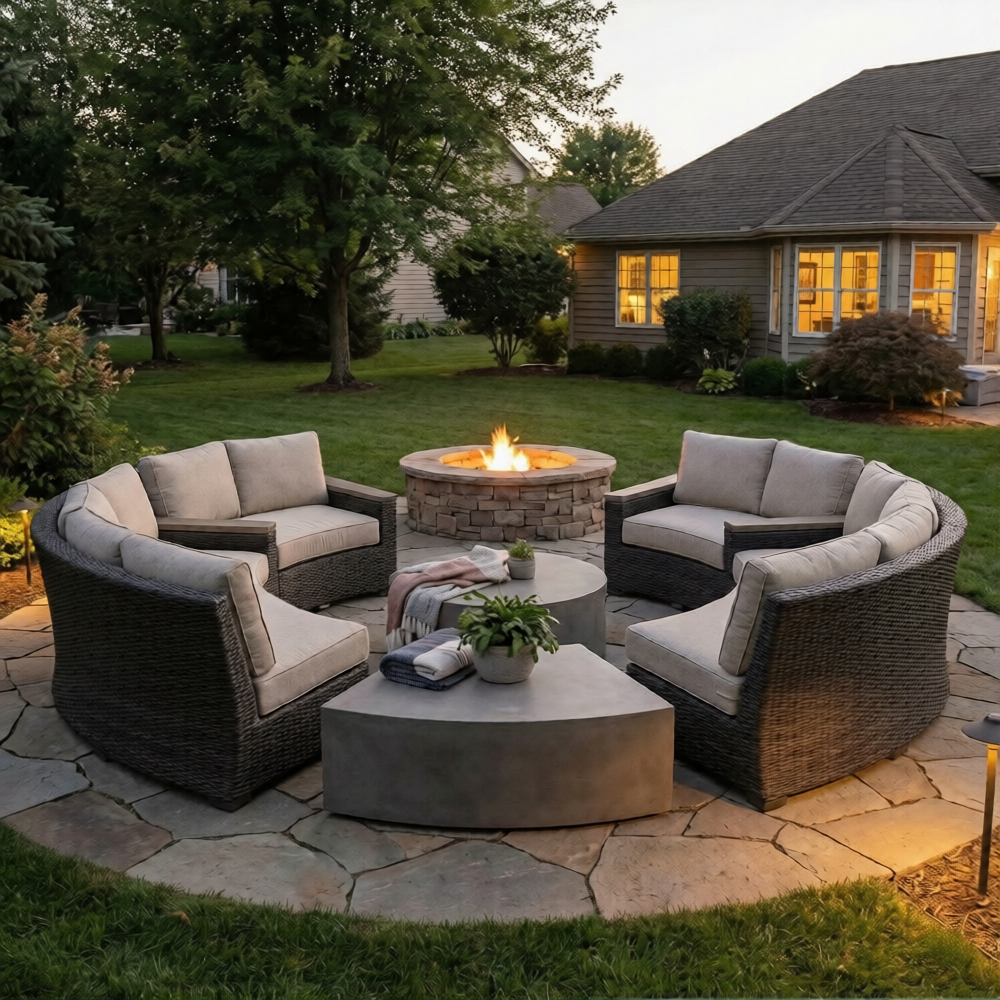
The scale of your furniture determines how the space functions. Small, spindly bistro sets are excellent for morning coffee, but for evening lounging, you need pieces with “weight.” Deep-seated sofas, sectional units, or oversized Adirondack chairs encourage a relaxed posture.
When the furniture is substantial, it anchors the room and makes the outdoors feel like a legitimate extension of the home. In a larger backyard, a curved sectional following the line of a circular patio creates a natural “hug” for guests.
The visual weight of dark wicker or heavy timber stands out against the shifting shadows of the evening. It is about creating a “destination” within your yard. When the seating feels permanent and intentional, people are more likely to commit to spending a few hours outside rather than just passing through.
6. Balancing Privacy Without Closing Off the View
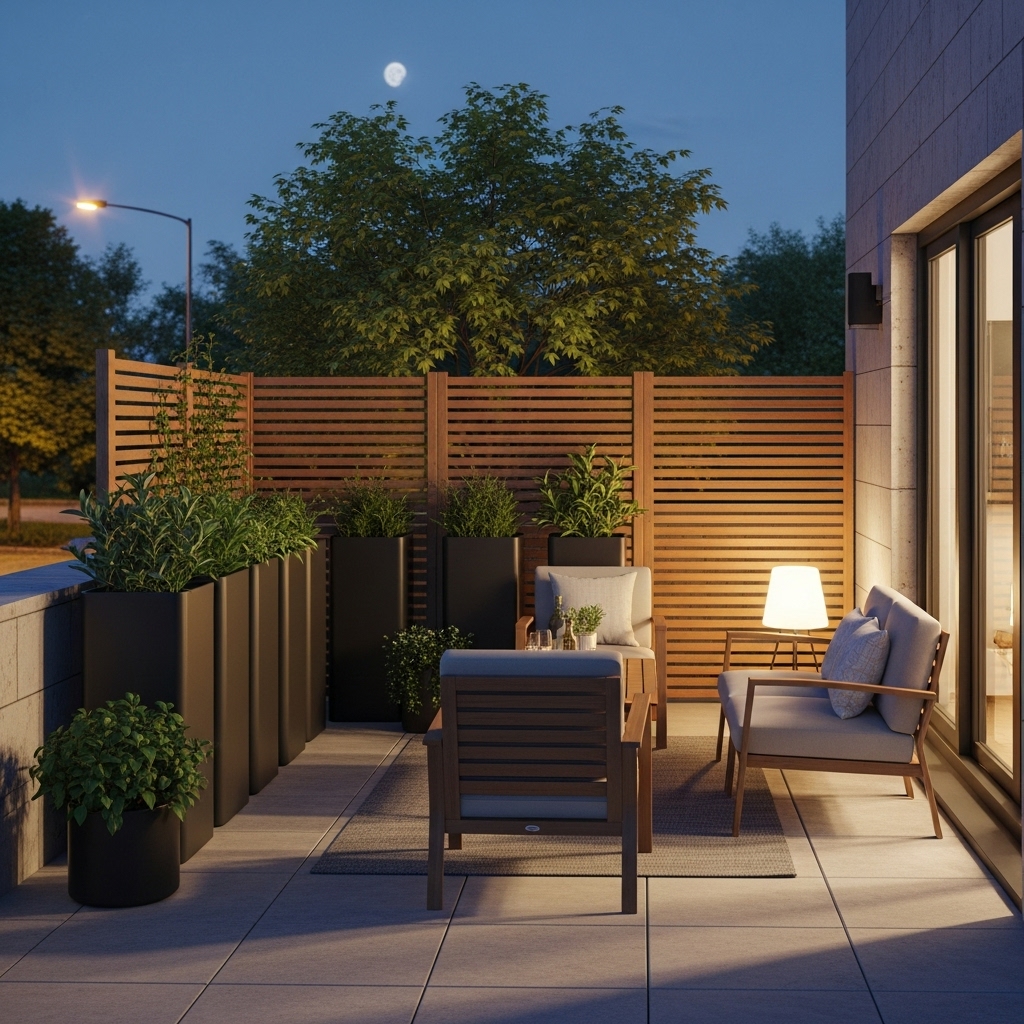
One of the trickiest planning decisions is achieving privacy without making the patio feel like a cage. Strategic screening allows you to block the streetlights or a neighbor’s window while still feeling connected to the nature around you.
Slotted wooden fences or “living walls” of ivy provide a dappled light effect that feels sophisticated and organic. Consider a rental patio where permanent changes aren’t possible. A row of tall, portable planters can act as a mobile screen, allowing you to shift the privacy as the sun sets.
The sight of moonlight filtering through the leaves of a Japanese Maple provides a beautiful, shifting pattern on the patio floor. This balance of openness and seclusion is what makes a space feel like a “hideaway” rather than just another part of the property.
7. Managing the Evening Microclimate
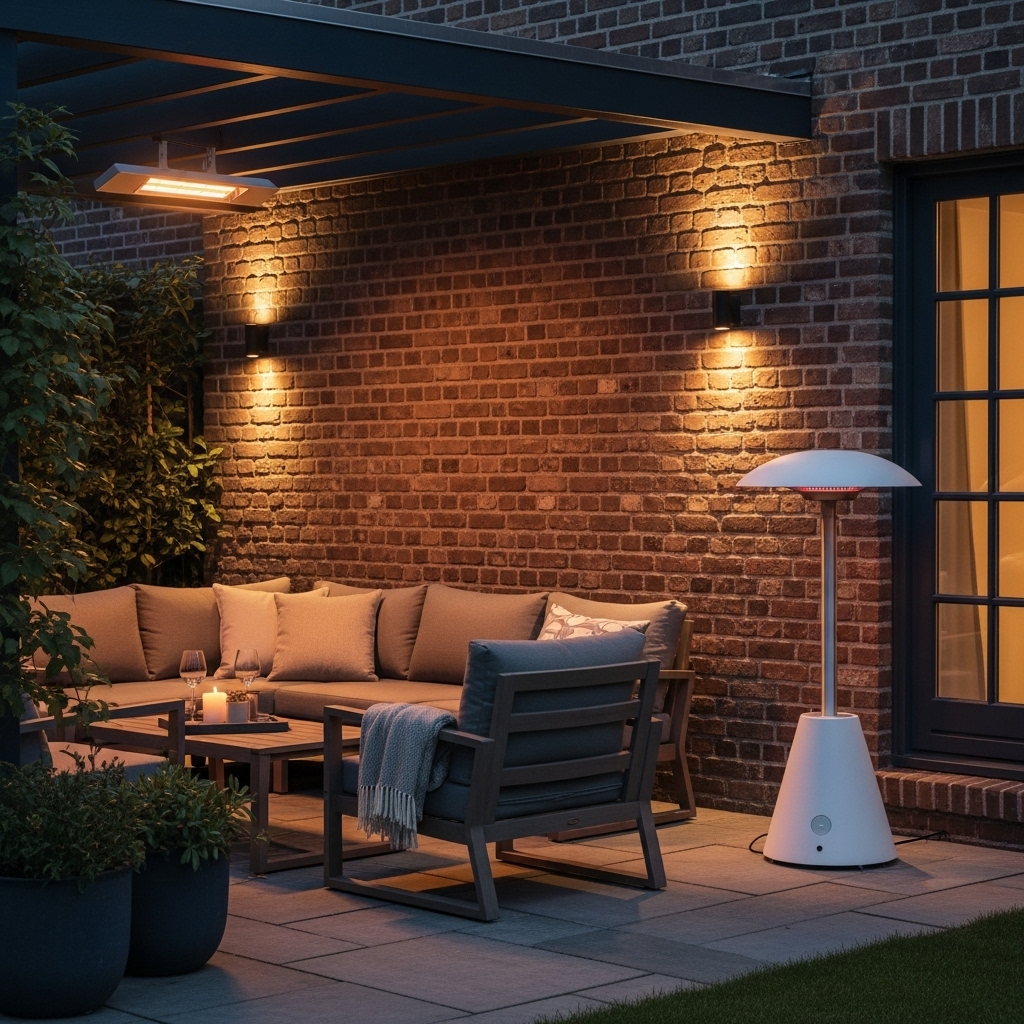
The evening chill is the most common reason outdoor areas are abandoned.
Planning for a microclimate involves identifying wind patterns and sun exposure. Placing your seating area against a south-facing brick wall can be a smart move, as the masonry absorbs heat during the day and radiates it back out at night.
For spaces that are more exposed, integrated heating solutions are worth considering. A discreet infrared heater mounted to a pergola or a stylish standing “mushroom” heater can raise the ambient temperature just enough to make a breezy evening comfortable.
The goal is to remove the “shiver factor.” When the air around the seating area stays consistently warm, the evening lasts longer, and the transition back indoors is delayed as long as possible.
8. Incorporating the Soothing Element of Sound
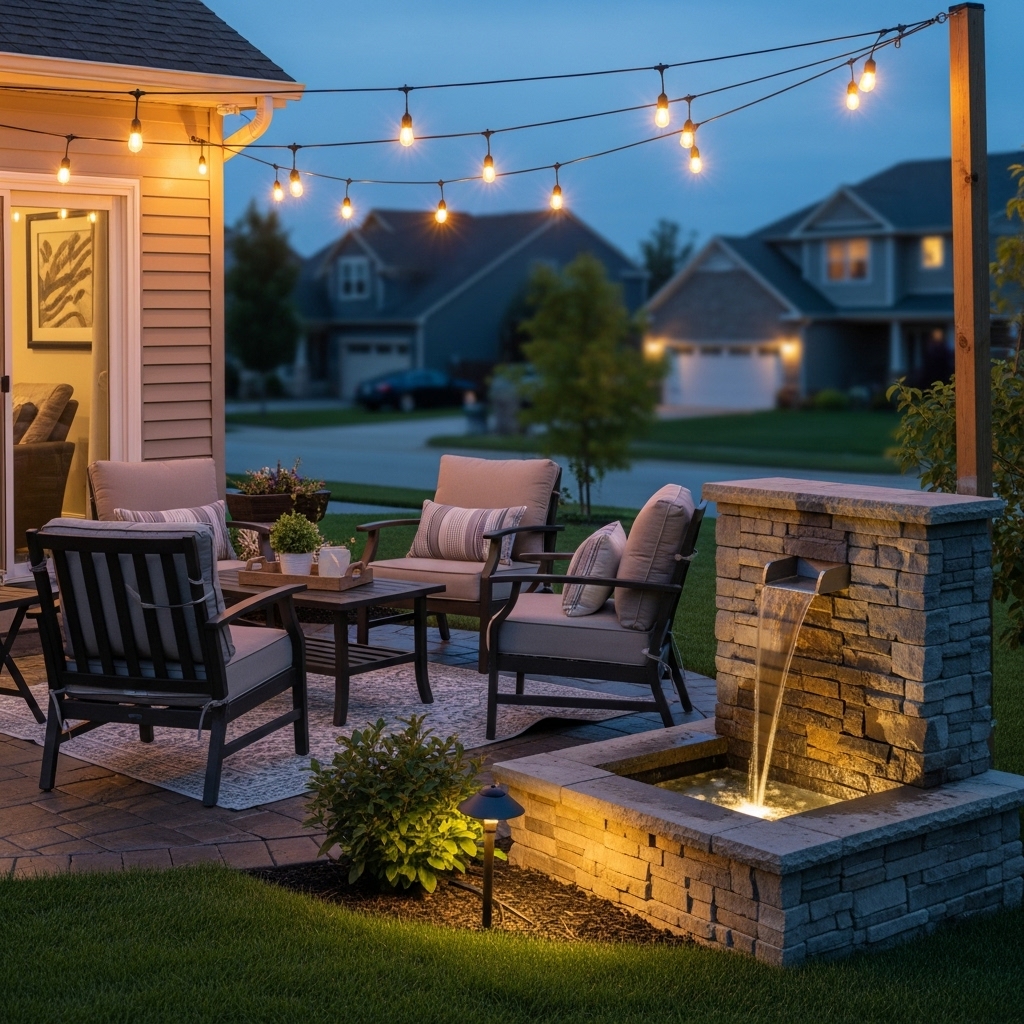
While we often focus on the visual, the auditory landscape of an evening patio is just as important. In suburban environments, a certain amount of ambient noise – traffic or distant mowers, is inevitable.
A small water feature, such as a recirculating stone fountain, can provide a “white noise” effect that masks these distractions. The gentle burble of water adds a spa-like quality to the seating area.
It’s a cooling sensory cue during a mid-summer night and a tranquil one in the fall. If a fountain isn’t feasible, a high-quality outdoor speaker system playing soft acoustic music can serve the same purpose.
By controlling the soundscape, you define the boundaries of your sanctuary, making the outside world feel miles away.
9. Maximizing Small Footprints for Intimacy
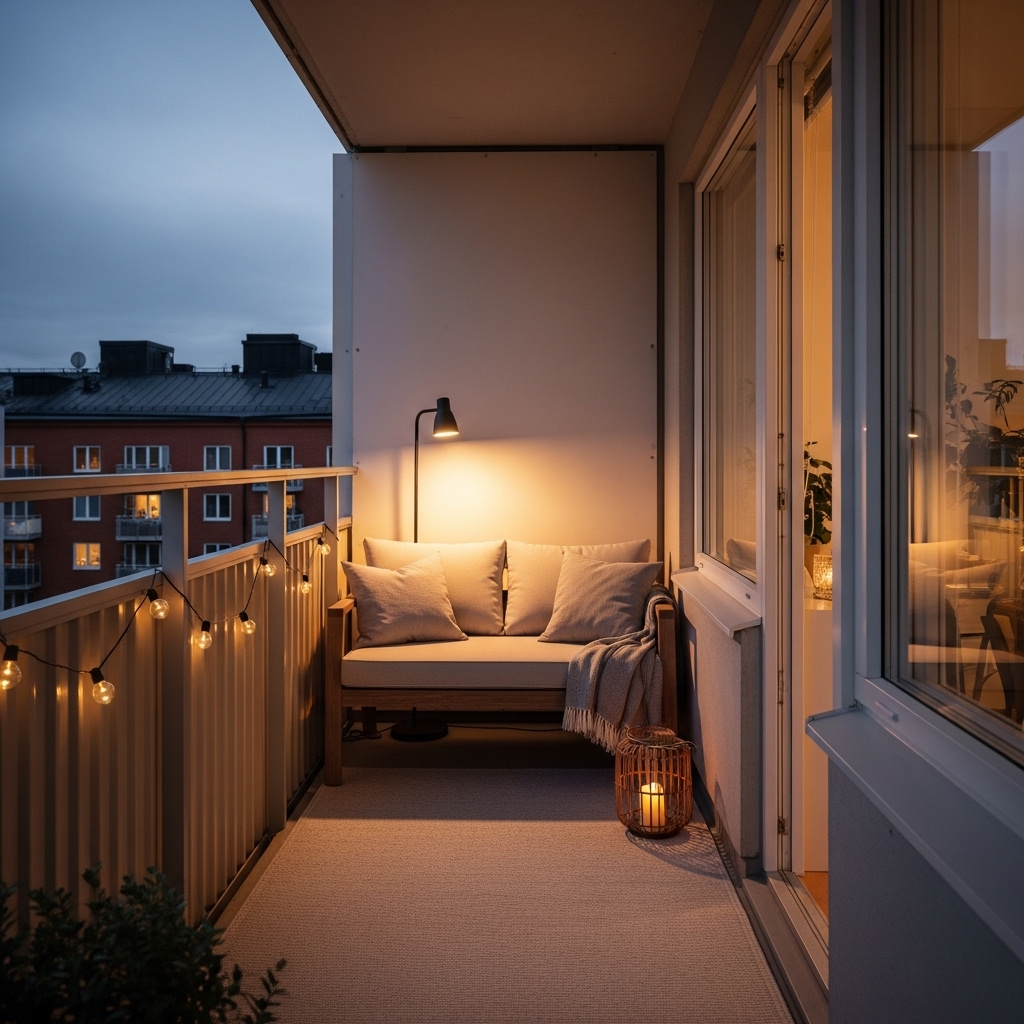
Cozy doesn’t mean large; in fact, some of the most successful evening spaces are incredibly compact. Small balconies or deck corners lend themselves to a “jewel box” design approach. In these scenarios, every choice must be high-impact.
A single high-quality loveseat paired with a glowing floor lamp can be more effective than a sprawling, half-furnished deck. By focusing on a tight color palette and one or two statement pieces, a small area feels curated and snug.
Imagine a city balcony with a plush outdoor rug, two comfortable chairs, and a wall of fairy lights. The scale is naturally intimate, making it the perfect spot for a private conversation. In small spaces, the “enclosure” is built-in, allowing you to focus purely on the comfort layers like pillows and lighting.
10. Choosing Durable Materials for Year-Round Use
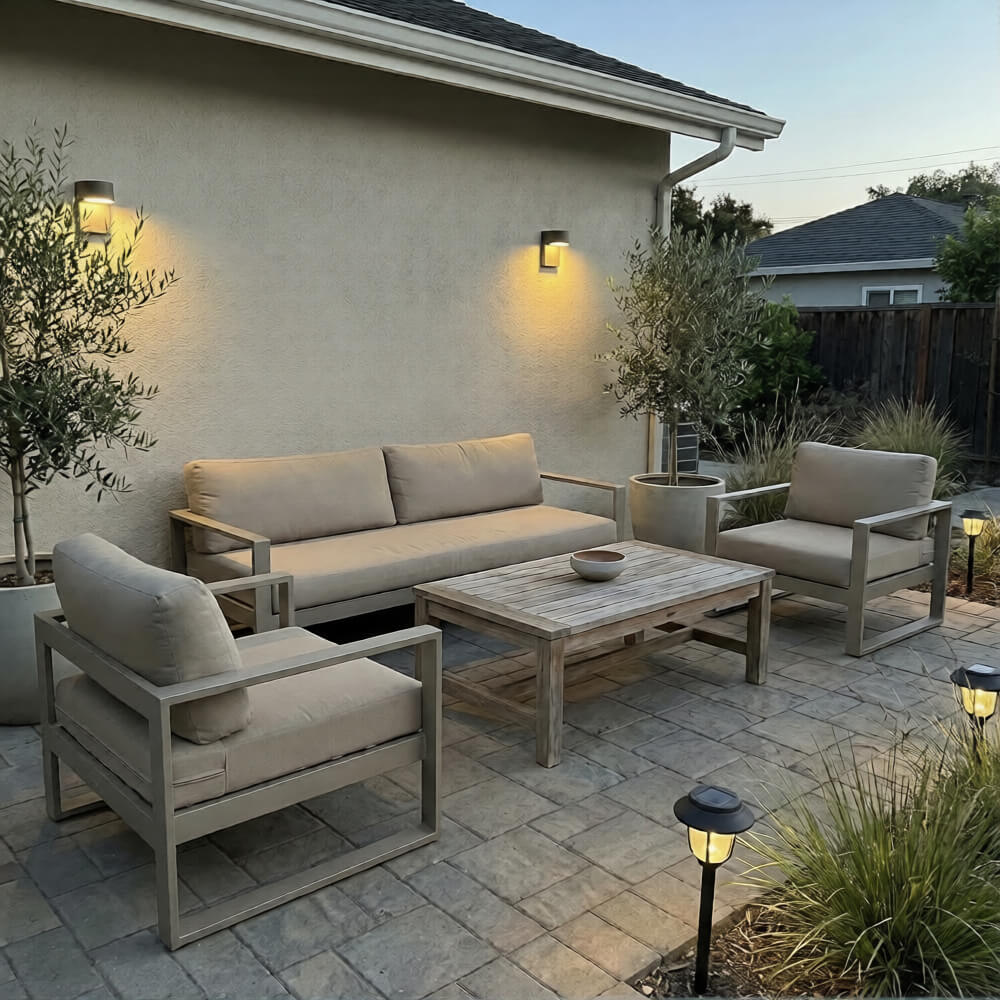
An evening retreat loses its appeal if the furniture looks weathered and worn out. High-trust outdoor living relies on materials that can handle the dew, the damp, and the occasional rain shower without losing their integrity.
Solution-dyed acrylic fabrics (like Sunbrella) are the gold standard because they resist fading and mildew while maintaining a soft, “indoor” feel.
When planning your seating, look for frames made of powder-coated aluminum, grade-A teak, or high-density polyethylene. These materials don’t just last; they maintain their aesthetic finish over time.
There is a specific confidence that comes with knowing you don’t have to rush outside to cover the furniture every time a cloud appears. Durable materials allow the space to be “ready” at a moment’s notice, which is essential for spontaneous evening enjoyment.
11. Integrating Greenery as a Living Backdrop
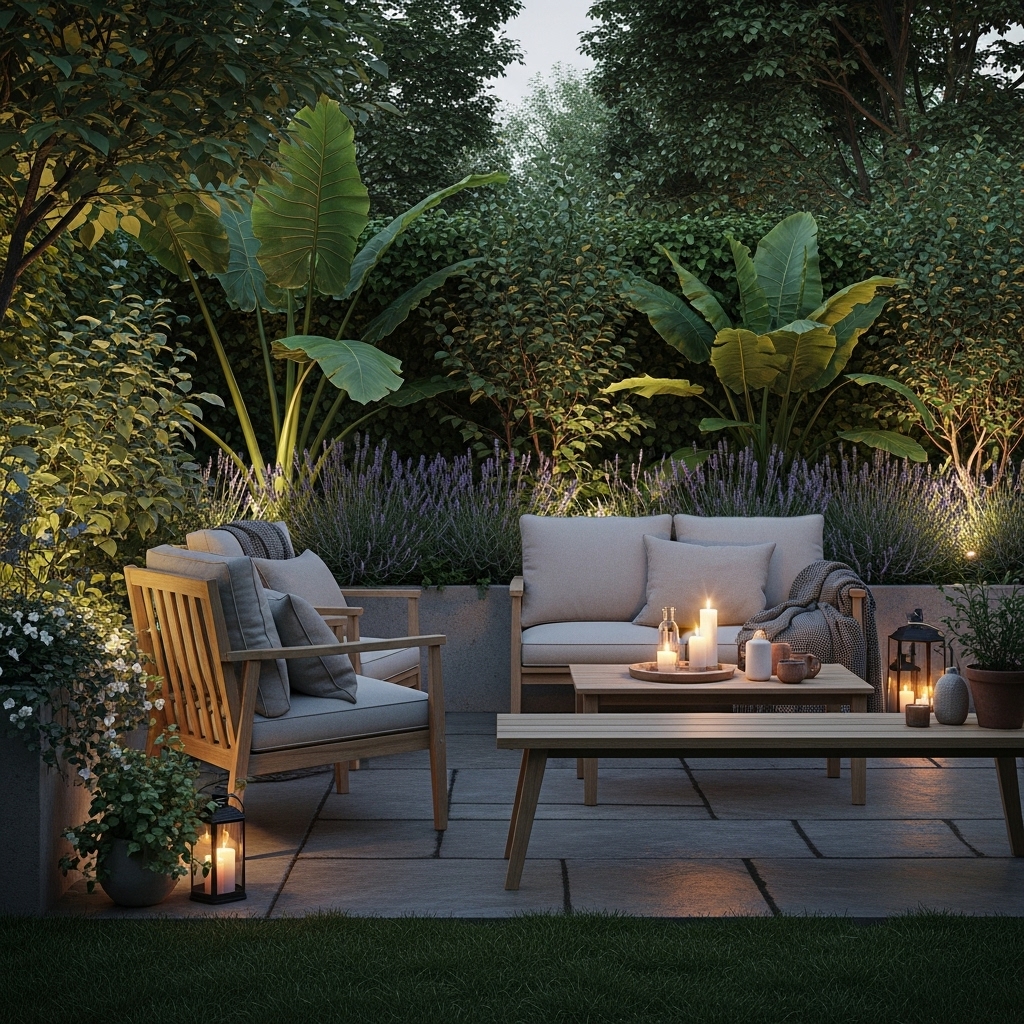
Plants are the most effective way to blend your seating area into the wider landscape.
During the day, they provide shade, but at night, they act as reflectors for your lighting. Large-leafed tropicals or silvery-foliaged plants like lavender catch the light beautifully, creating a shimmering, ethereal frame for your seating.
In a family setting, placing aromatic plants near the seating area; such as jasmine or night-blooming cereus—adds a fragrance layer that is only present in the evening.
The scent of damp earth and blooming flowers is a powerful sensory trigger that reinforces the feeling of being “away.” Using greenery to soften the edges of stone or wood ensures the space feels integrated into the garden rather than sitting on top of it.
12. The Role of Functional Side Tables
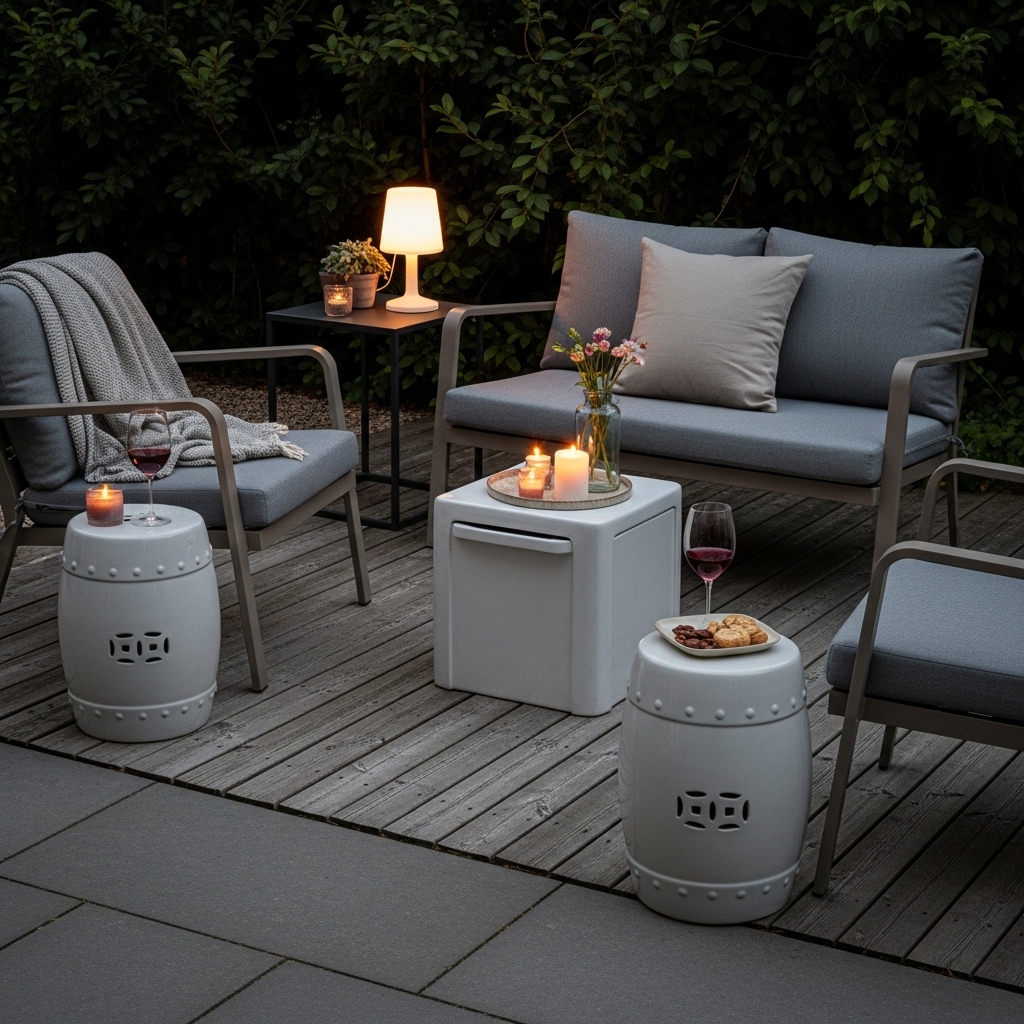
A cozy evening often involves drinks, snacks, or a place to set down a book. If you have to reach too far for your glass, the sense of relaxation is broken. A well-planned seating area includes enough surface area for every seat.
This doesn’t mean one giant coffee table; a series of smaller side tables or “C-tables” that slide over seat cushions are often more practical. These smaller surfaces allow for a more flexible layout.
Imagine a cluster of ceramic garden stools that can move from being a footrest to a drink perch as needed. The glossy finish of a ceramic stool provides a nice reflective surface for candlelight, adding another small “twinkle” to the room.
Functional surfaces ensure that once you sit down, you have everything you need to stay put for the duration of the evening.
13. Creating a Multi-Seasonal Strategy
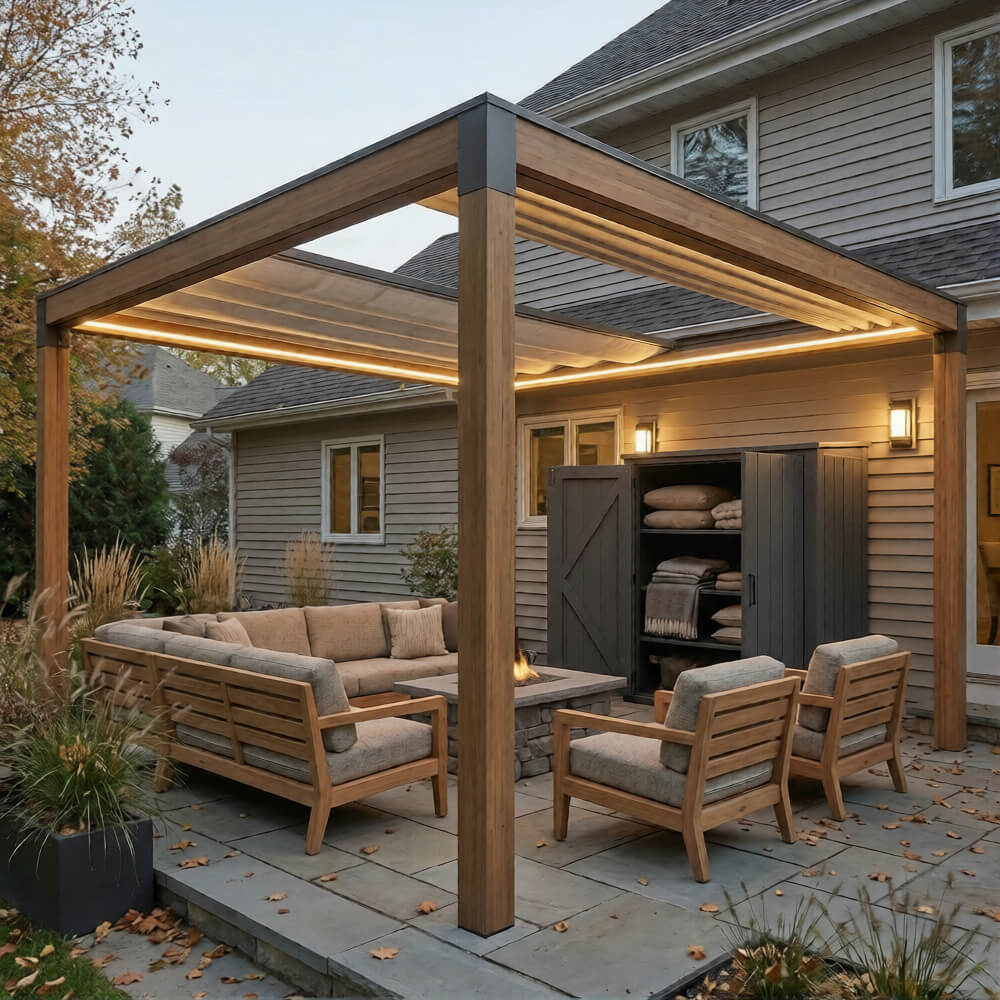
The best outdoor spaces aren’t just for July. A truly successful design accounts for the changing seasons. This means having a storage plan for cushions in the winter and a way to add or remove shade in the summer.
A multi-seasonal strategy ensures that your “evening retreat” is a year-round asset to your home. This might involve investing in a modular pergola with a retractable roof or simply having a dedicated weatherproof furniture storage solution nearby.
In the spring, the space feels fresh and open; in the autumn, it becomes a warm cocoon. By planning for the full arc of the year, you avoid the “dead zone” look of a patio that is only used for three months, making the space feel like a living, breathing part of your architecture.
14. Directing the View and Flow
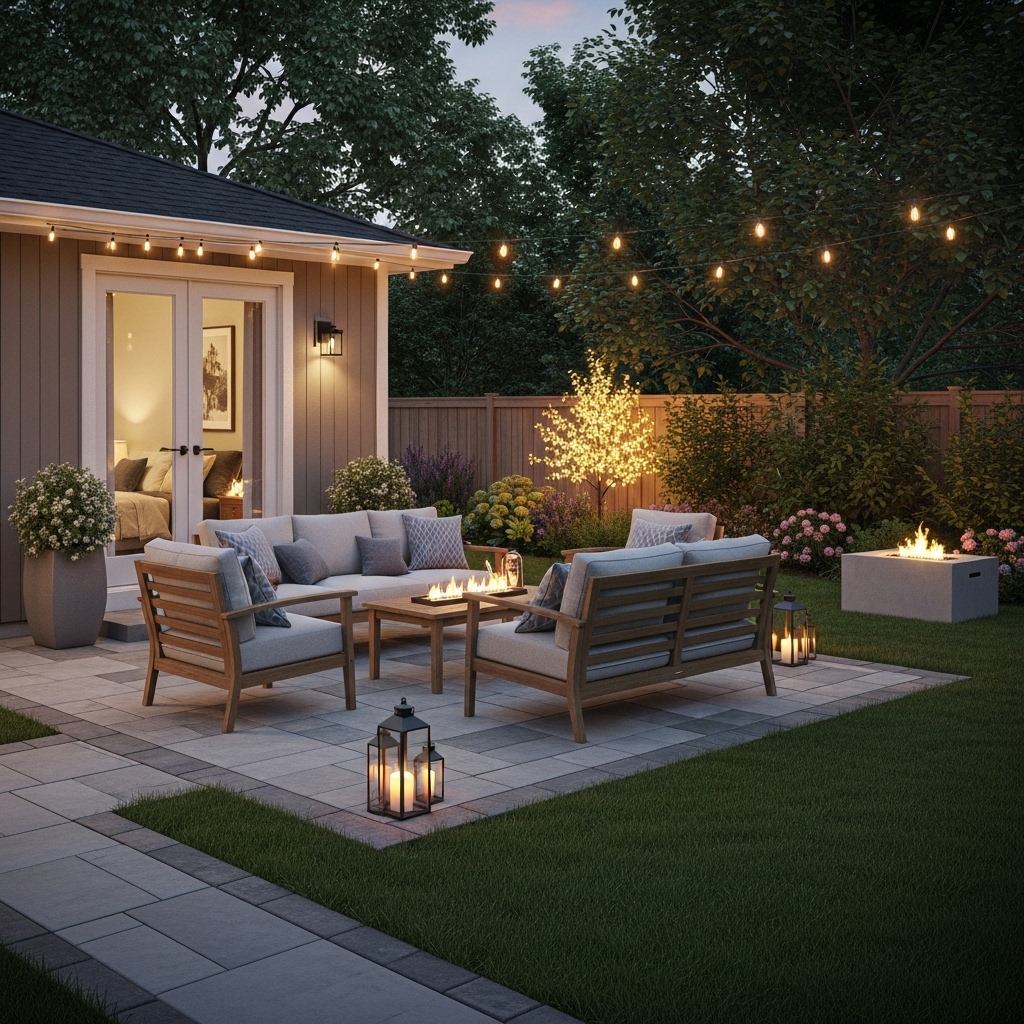
How you orient your furniture dictates what you focus on.
If your seating faces a blank wall or a dark corner of the yard, it won’t feel inviting. A smart layout directs the view toward a focal point—be it the fire pit, a lighted tree, or the distant horizon. This gives the eyes a place to rest and creates a sense of “destination.”
In a rectangular backyard, placing the seating at an angle can break up the rigid lines and make the space feel more dynamic. The “flow” of the space refers to how people move in and out of the seating area. Ensure there is a clear path that doesn’t require dodging furniture legs.
When the movement through the space is effortless, the transition from the house to the patio feels like a natural progression rather than a trek.
15. Personalizing with Accents and Art
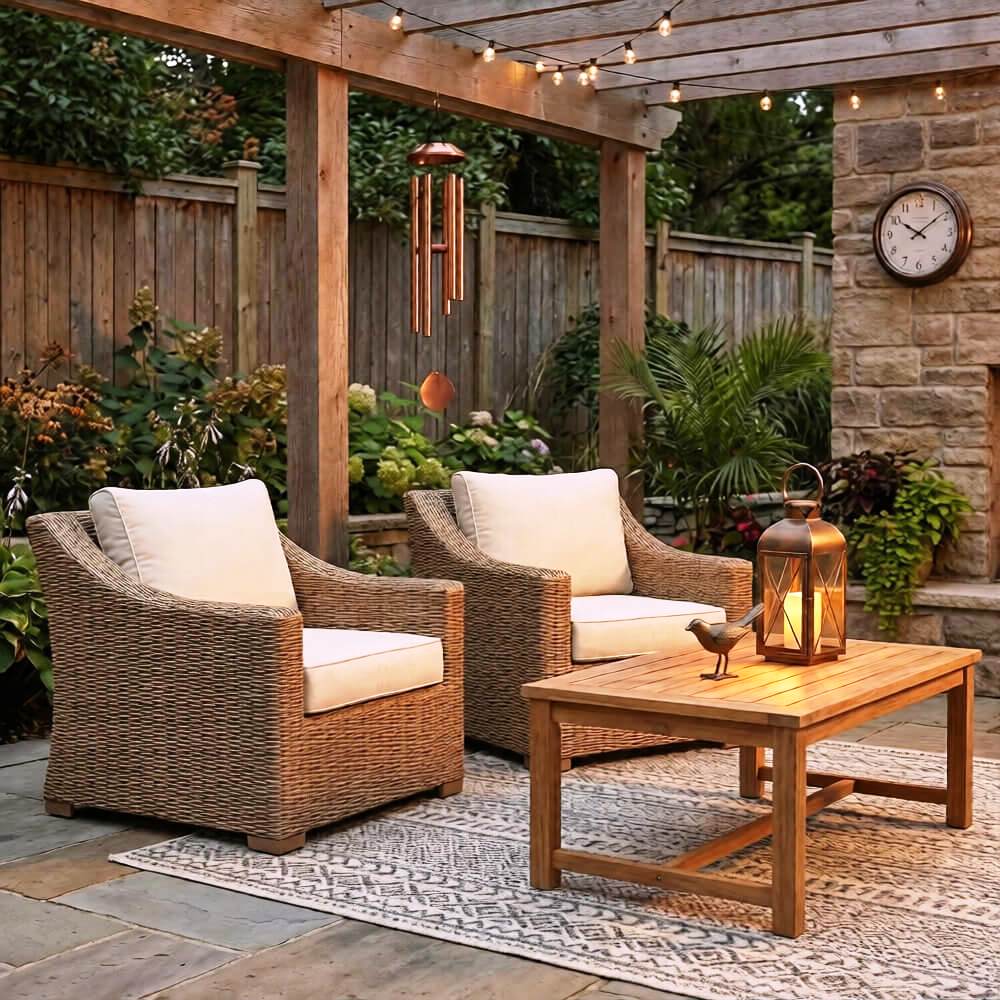
The final layer of coziness comes from the details that reflect your personality. Outdoor-rated art, sculptural bowls, or even a weather-resistant clock can make the space feel finished. These accents bridge the gap between “the yard” and “the home.”
Consider a set of high-quality wind chimes that provide a deep, melodic tone in the evening breeze. The visual interest of a bronze sculpture catching the light of a nearby lantern adds a layer of sophisticated charm. These items provide a sense of curation.
When an outdoor space feels “decorated” with the same care as an indoor living room, it naturally feels more comfortable and high-trust.
Frequently Asked Questions
Q1. What is the best way to keep bugs away from a seating area at night?
The most effective solution is often a combination of air movement and scent. A high-quality outdoor ceiling fan or a powerful oscillating floor fan prevents mosquitoes from landing.
Additionally, using citronella candles or planting marigolds and lemongrass around the perimeter can provide a natural, fragrant deterrent. For a more permanent solution, yellow-hued “bug lights” in your fixtures are less attractive to insects than standard white bulbs.
Q2. How do I protect my outdoor textiles from evening dampness?
While many outdoor fabrics are moisture-resistant, the internal foam can still hold dampness. If you don’t want to bring cushions inside every night, look for “dry-fast” foam inserts that allow water to pass through quickly.
Alternatively, using a stylish storage trunk that doubles as a bench allows you to tuck away pillows in seconds before you head to bed, ensuring they stay crisp and dry for the next use.
Q3. Can I have a fire pit on a wooden deck safely?
Yes, but it requires specific planning. You should never place a wood-burning fire pit directly on wood or composite decking. Instead, use a gas-powered fire table, which is much cooler at the base, or place a wood-burning pit on a non-combustible “fire mat” or a hearth made of stone or pavers.
Always check your local fire codes and ensure you have adequate clearance from railings and overhead structures.
Q4. What lighting color temperature is best for a cozy atmosphere?
For a warm, cozy feel, you should aim for a color temperature between 2200K and 2700K. This mimics the warm, amber glow of a sunset or a candle. Avoid “cool white” or “daylight” bulbs (4000K+), as these can look clinical and harsh at night, making the outdoor space feel more like a commercial work area than a private retreat.
Conclusion
Transforming your patio into an evening sanctuary is an investment in your own quality of life. It’s about more than just buying a set of chairs; it’s about understanding the interplay between light, warmth, and boundaries.
By thoughtfully layering these elements, you create a space that doesn’t just look good, but actually feels like a destination. Whether it’s a quiet night under the stars or a lively evening with friends, a well-planned outdoor seating area provides the perfect backdrop for the moments that matter most.