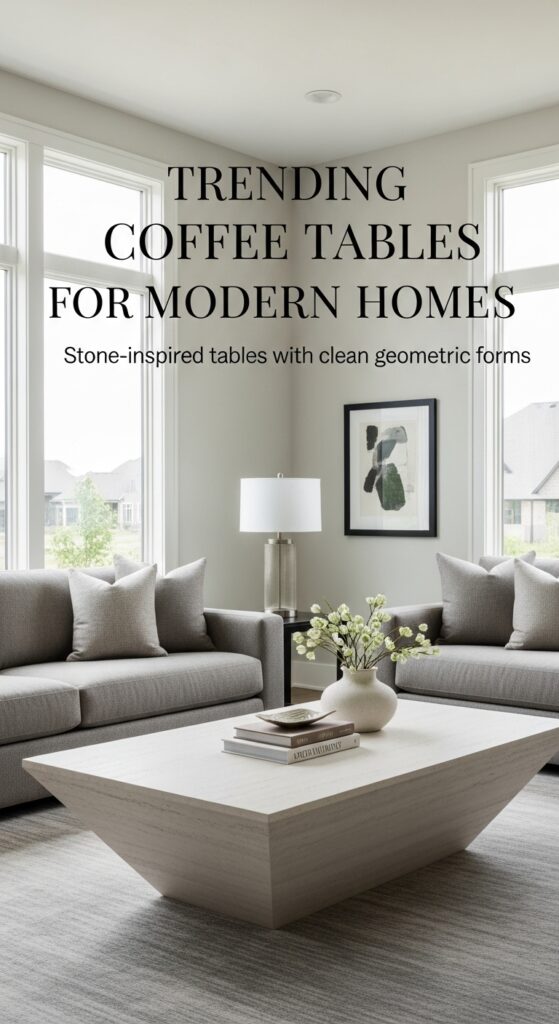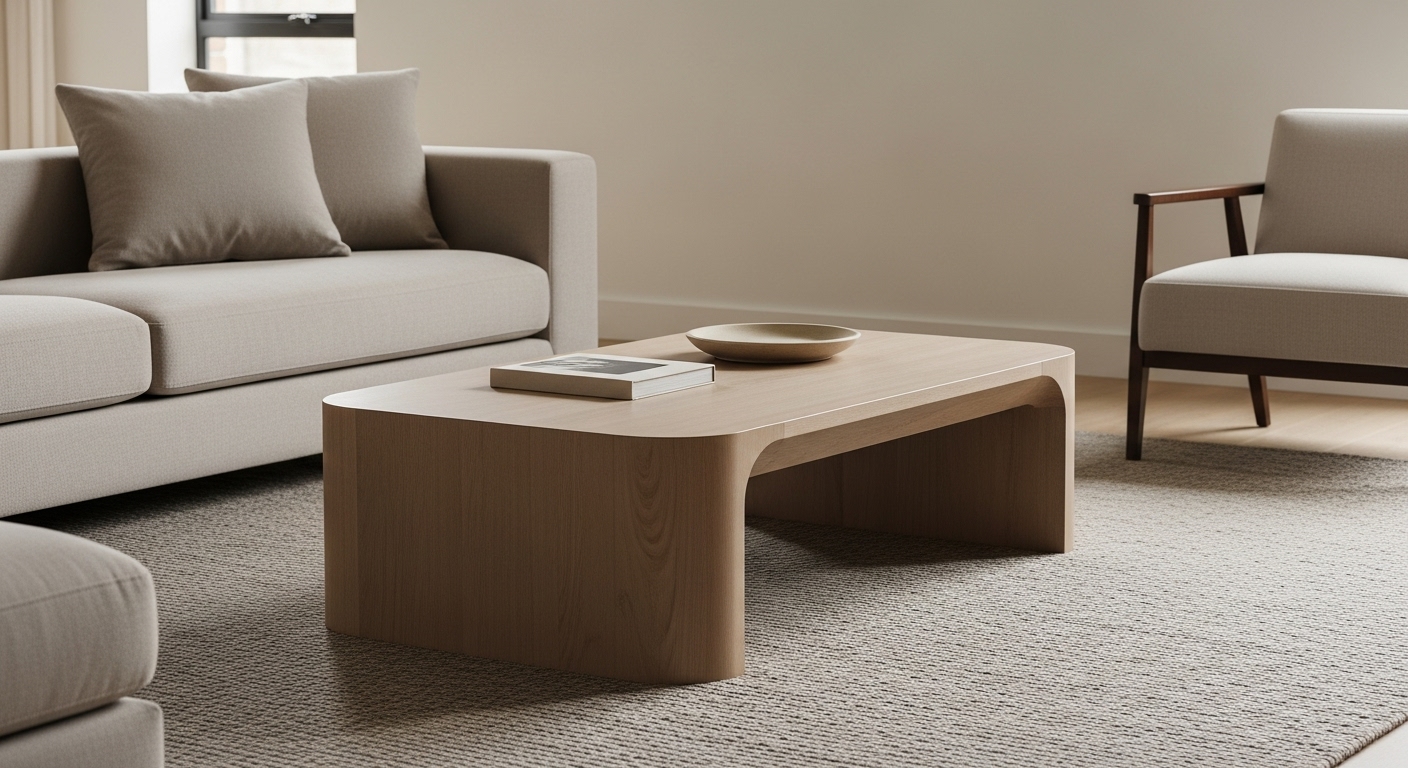
Choosing the right centerpiece for a living room often feels like the final piece of a complex puzzle. While sofas define the layout and rugs anchor the space, the coffee table is the functional heart where daily life actually happens.
Whether it’s a landing spot for a morning espresso or a surface for a curated stack of art books, this piece carries a heavy design burden. Currently, the shift in modern living rooms is moving away from purely utilitarian surfaces toward sculptural, tactile objects that tell a story.
Homeowners are increasingly looking for pieces that bridge the gap between high-end gallery aesthetics and the rugged durability required for a lived-in home.
Navigating these coffee table styles requires balancing visual weight with the practical flow of your room, ensuring the piece complements your seating without crowding the path.
1. The Resurgence of Soft Organic Silhouettes
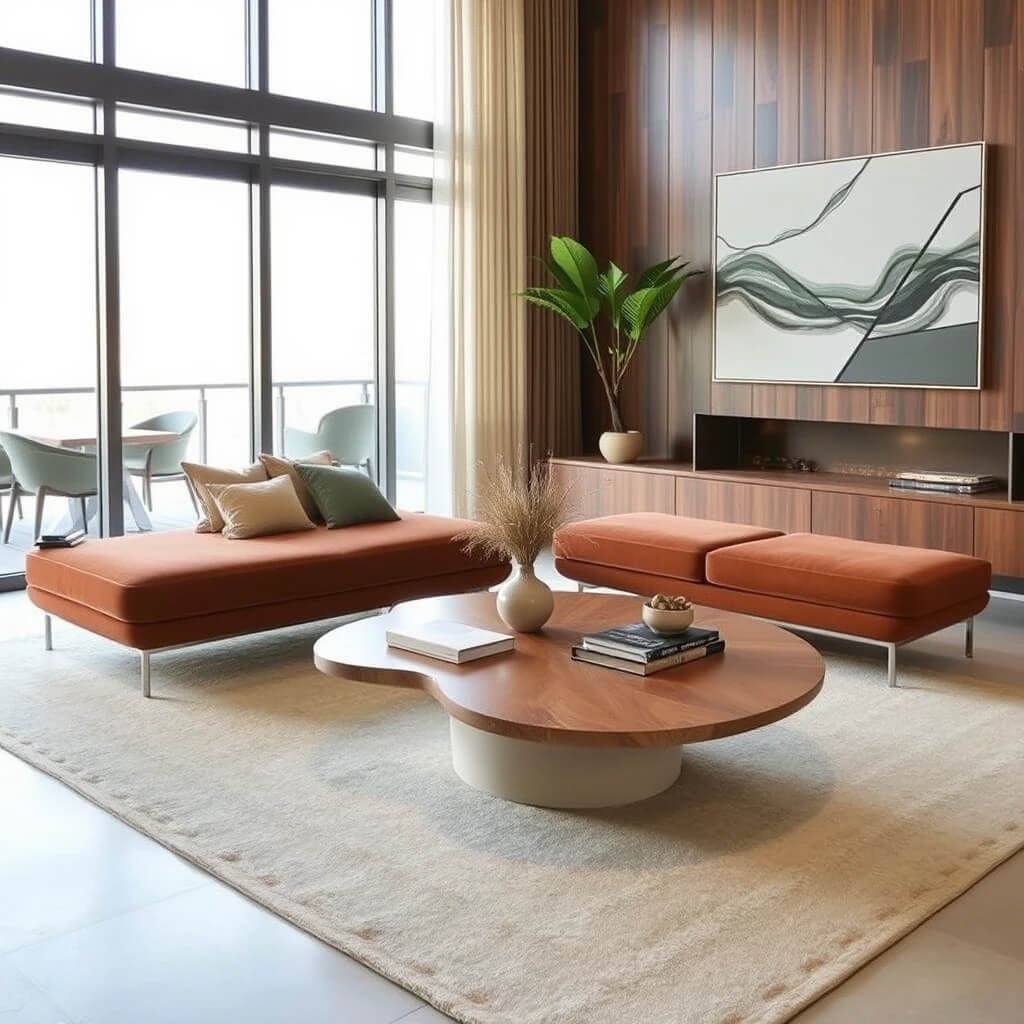
Modern interiors are shedding the sharp, clinical edges of the past decade in favor of fluid, biophilic shapes. Organic coffee tables, often resembling smoothed river stones or asymmetrical clouds—bring a sense of movement to a static room.
These pieces work exceptionally well in “boxy” modern apartments because they break up the rigid lines of rectangular sofas and floor-to-ceiling windows.
When you run your hand over a kidney-shaped wood table or a rounded plaster piece, the lack of corners creates a more inviting, communal atmosphere. In a busy household, these silhouettes are also a practical choice, removing the hazard of sharp edges for children or pets.
Visually, an organic shape allows the eye to glide across the room, making a smaller floor plan feel less cluttered and more curated.

2. Monolithic Stone and Statement Plinths
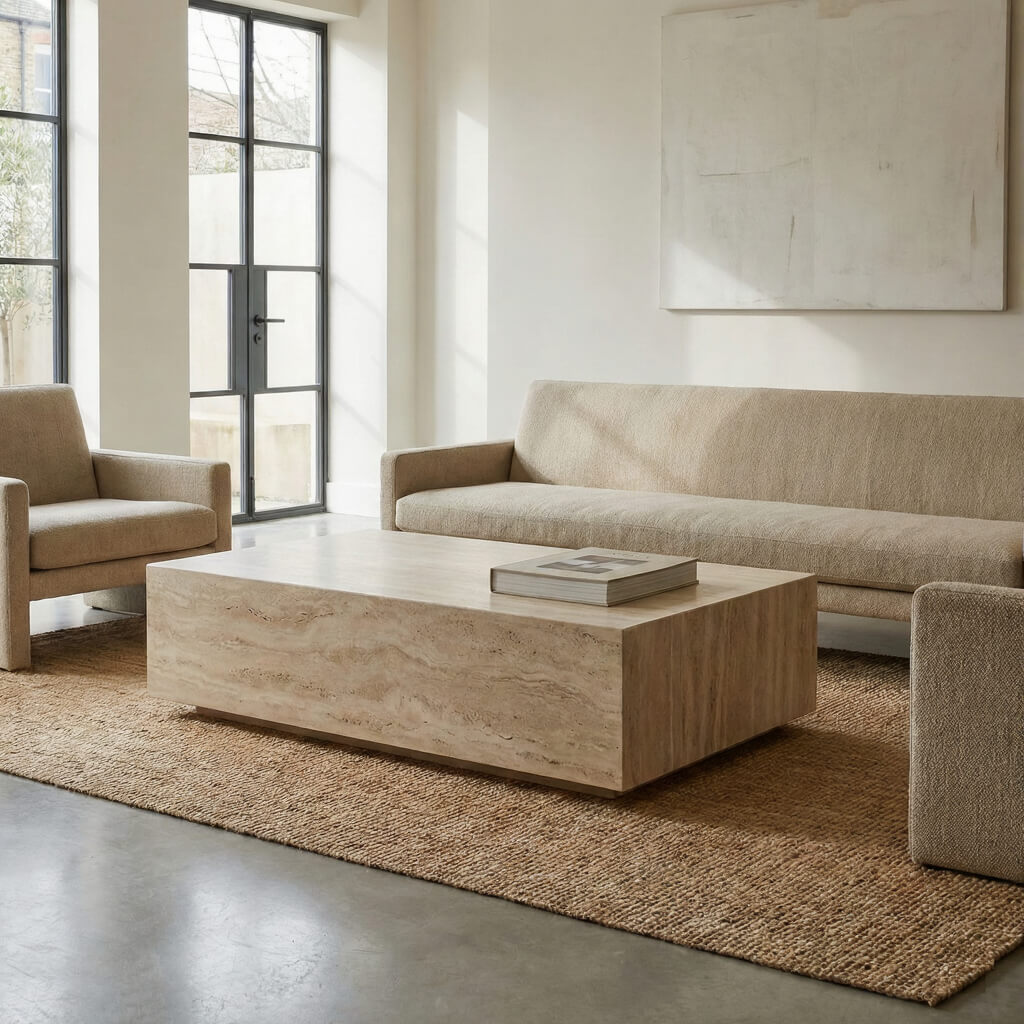
There is a profound shift toward “heavy” design, where the coffee table acts as an immovable anchor. Solid marble, travertine, or limestone plinths are dominating modern editorial spaces. These aren’t just tables; they are blocks of earth brought indoors.
The trend focuses on the raw beauty of the stone; veining that looks like a topographical map or the soft, porous texture of unfilled beige travertine. In a minimalist living room, a low-profile stone block provides enough visual gravitas that you barely need any décor on top.
Imagine a sun-drenched room where the light hits a honed Calacatta marble surface; the stone stays cool to the touch while the natural patterns provide all the “art” the room needs. It’s a study in permanence and luxury that feels grounded rather than flashy.
3. Darker Wood Tones and Walnut Warmth
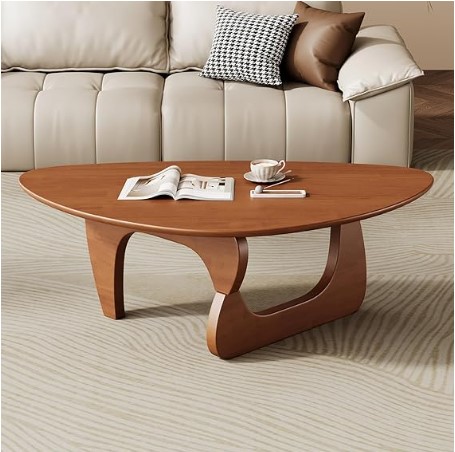
After years of light oak and Scandinavian blonde woods, the pendulum is swinging back toward the richness of walnut, espresso, and charred oak finishes. Darker wood coffee tables provide a sophisticated contrast, especially when paired with the cream or oatmeal-colored bouclé sofas that remain popular.
This contrast prevents a neutral room from looking “washed out” or one-dimensional. A mid-century inspired walnut table with tapered legs or a chunky, brutalist dark oak slab adds an immediate sense of history and warmth.
It feels sturdy and dependable. When the evening light dims, the deep grain of dark wood catches the shadows beautifully, creating a cozy, library-like mood even in a contemporary setting. It’s about creating a space that feels established and intentional.
4. The Versatility of Nesting Arrangements
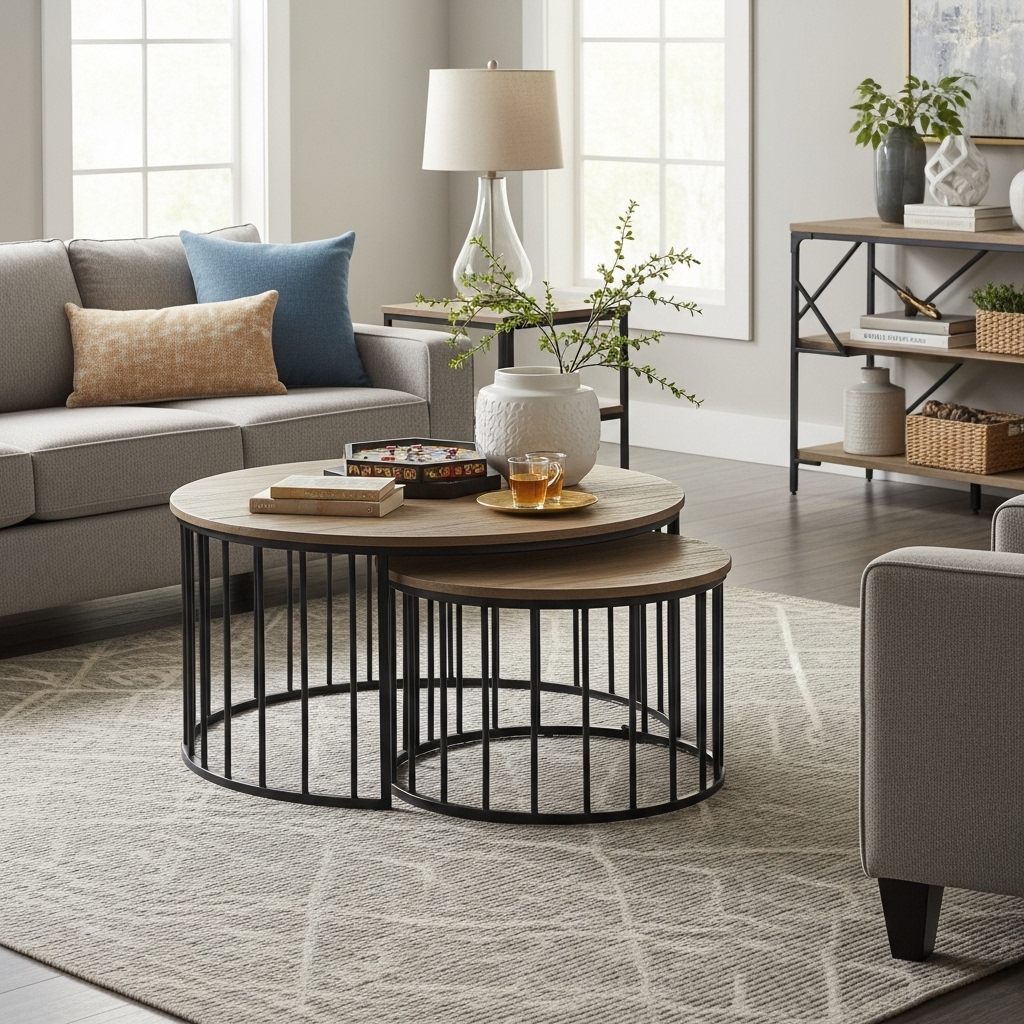
The traditional oversized coffee table is being challenged by the flexibility of nested sets. This style usually involves two or three tables of varying heights and diameters that can be tucked together or spread out across the room.
It’s a response to how we actually use our homes today; sometimes you need a wide surface for board games, and other times you need a satellite table moved closer to an armchair for a drink. Usually, these sets mix materials, such as a taller metal-framed table paired with a lower, larger wooden one.
This layering adds vertical interest and depth to the center of the seating area. If you’re hosting a gathering, being able to peel off a small section of your coffee table and move it to the other side of the sectional is a functional luxury that single-piece tables can’t match.
5. Sculptural Glass and Translucent Layers
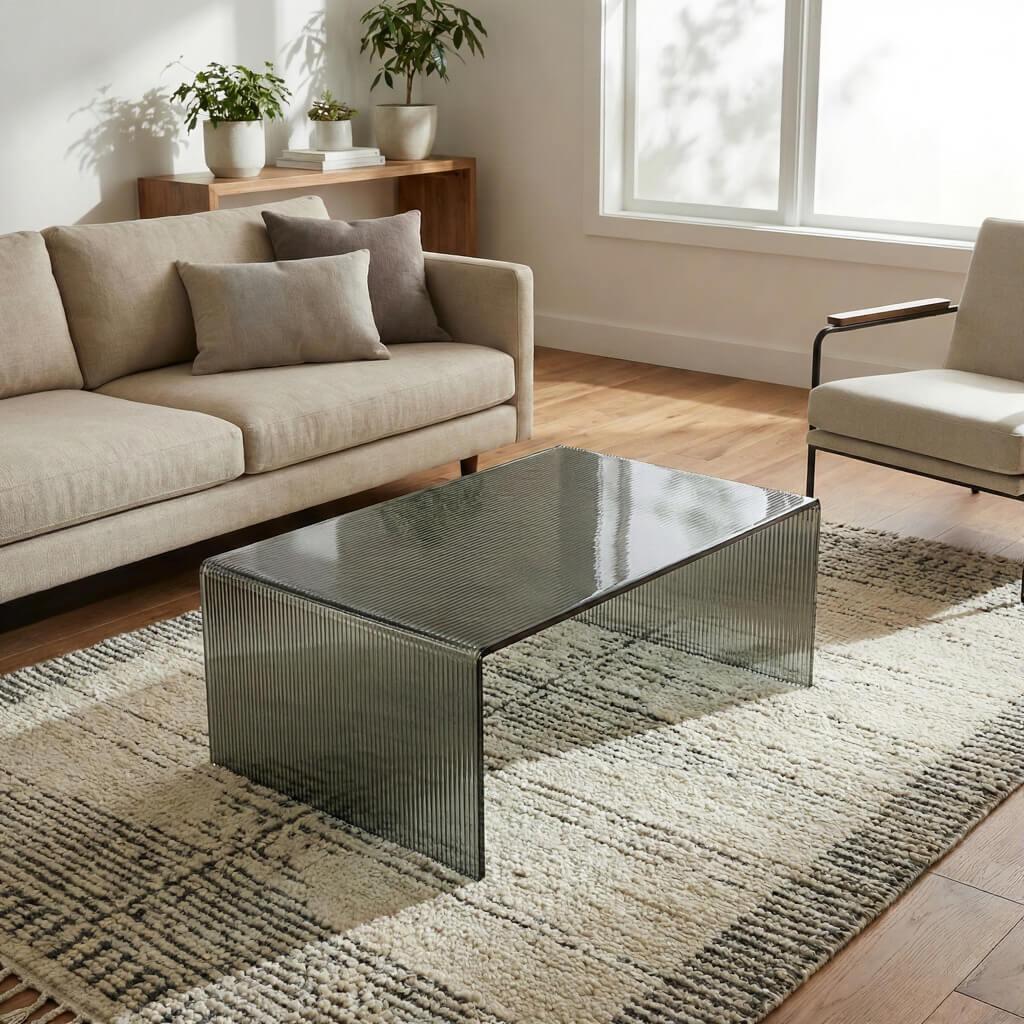
Glass is making a massive comeback, but not in the fragile, gold-rimmed way of the eighties. Modern glass coffee tables are bold, thick, and often tinted. We are seeing smoked greys, amber hues, and even textured “fluted” glass that obscures whatever is sitting on the lower shelf.
These pieces are perfect for small living rooms because they provide a functional surface without taking up any visual “real estate.” A thick, poured-glass table with a chunky base looks like a frozen block of water.
It plays with light, casting soft shadows on the rug below and allowing the patterns of your floor covering to remain visible. It’s a sophisticated choice for those who want their furniture to feel light and airy while still maintaining a sharp, architectural edge that defines a modern aesthetic.
6. Mixed Materiality and Industrial Refinement
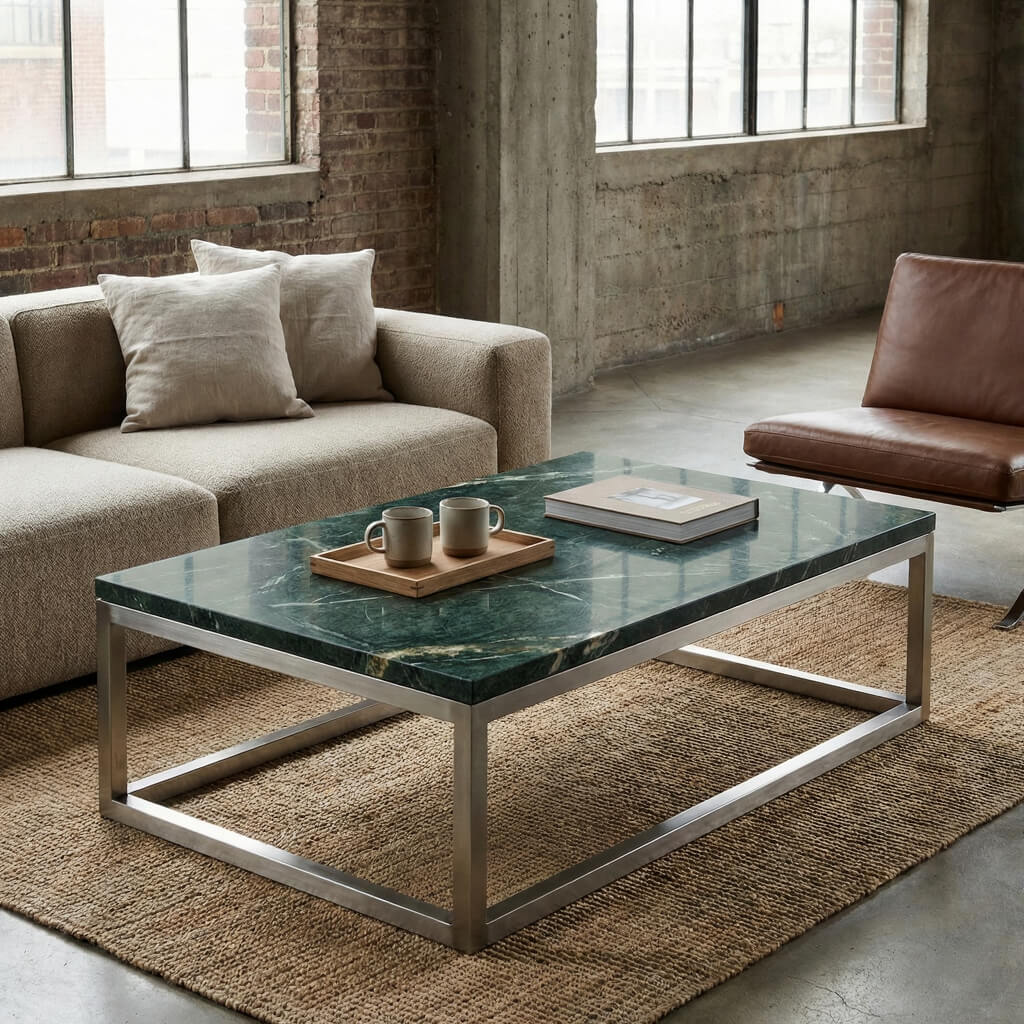
The most interesting modern rooms often feature furniture that refuses to stick to one script. Coffee tables combining cold metals with warm stones or woods are trending because they feel custom-made. Picture a brushed stainless steel frame supporting a thick slab of green forest marble.
The tension between the industrial precision of the metal and the wild, unpredictable nature of the stone creates a compelling focal point. This style works particularly well in urban lofts or homes with exposed architectural elements like brick or concrete.
By mixing materials, the table acts as a bridge between various textures in the room. It’s a tactile experience; the cold touch of steel against the matte finish of a wooden tray creates a sensory contrast that makes a living space feel more dynamic and less like a showroom set.
7. Low-Slung Profiles for a Lounge Atmosphere
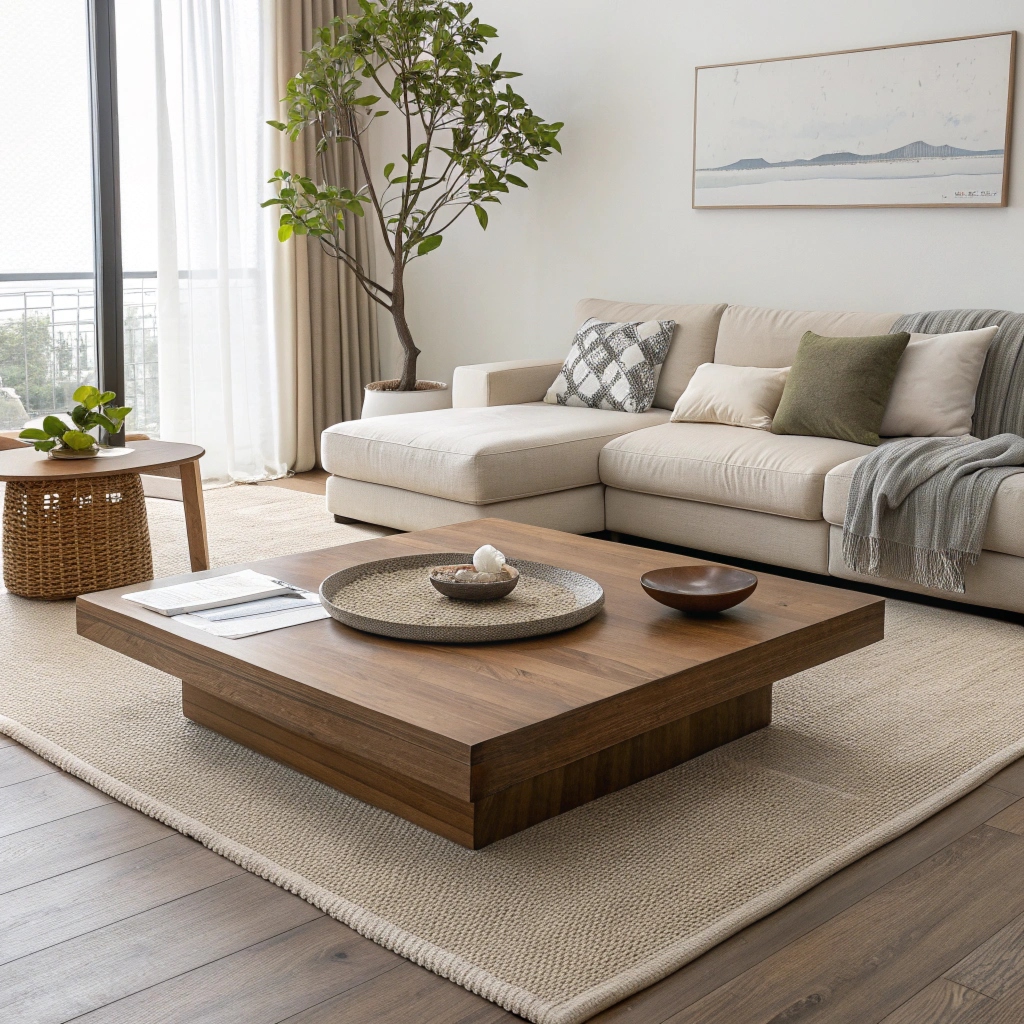
Influenced by Japanese and Mediterranean minimalism, the “low-profile” coffee table is a staple of the modern lounge. These tables often sit just 10 to 12 inches off the ground, significantly lower than the standard 16 to 18 inches.
The goal is to create a grounded, relaxed environment where the furniture encourages you to sink back and stay a while. When your seating is also low and deep, a high table feels intrusive. A low-slung wooden platform or a wide, squat stone disc keeps the sightlines open across the room.
It changes the energy of the space from a formal sitting room to a true sanctuary. Just be sure to consider the ergonomics; these tables are best suited for those who prioritize a sleek, “zen” look over the ease of reaching for a coffee cup from a high-backed chair.
8. Handcrafted Plaster and Terracotta Textures
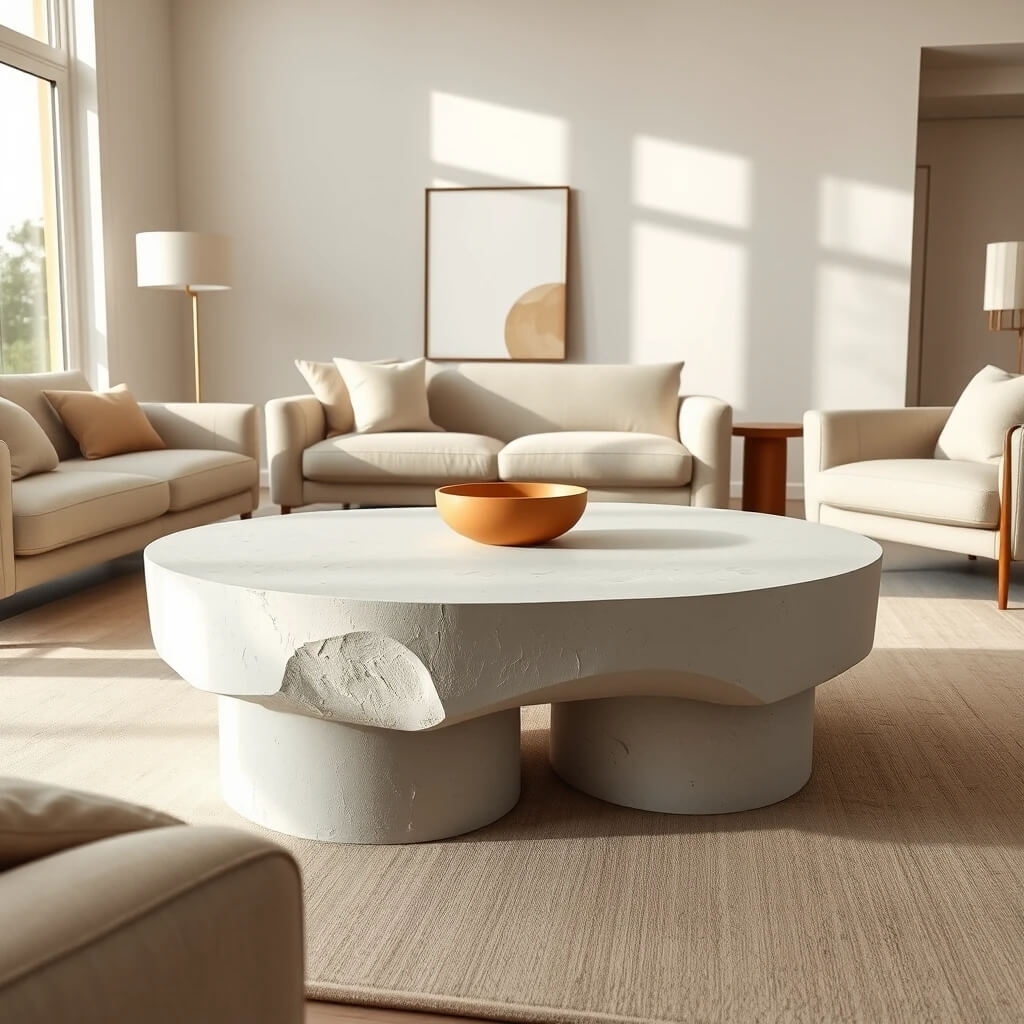
There is a growing desire for the “hand of the maker” to be visible in home decor. Plaster-coated coffee tables, often in crisp white or earthy sand tones, offer a chalky, matte texture that feels incredibly modern yet ancient.
These pieces often feature thick, cylindrical legs and a seamless finish, looking as though they were sculpted directly out of the gallery walls. The beauty of a plaster or terracotta-finished table lies in its imperfection.
The way the light catches the slight variations in the hand-applied finish adds a layer of soul to the room. It’s a far cry from the mass-produced, high-gloss finishes of the past.
In a room filled with soft textiles, the dry, tactile nature of a plaster table provides a necessary counterpoint that feels both fresh and timeless.
9. The Return of the Oversized Square
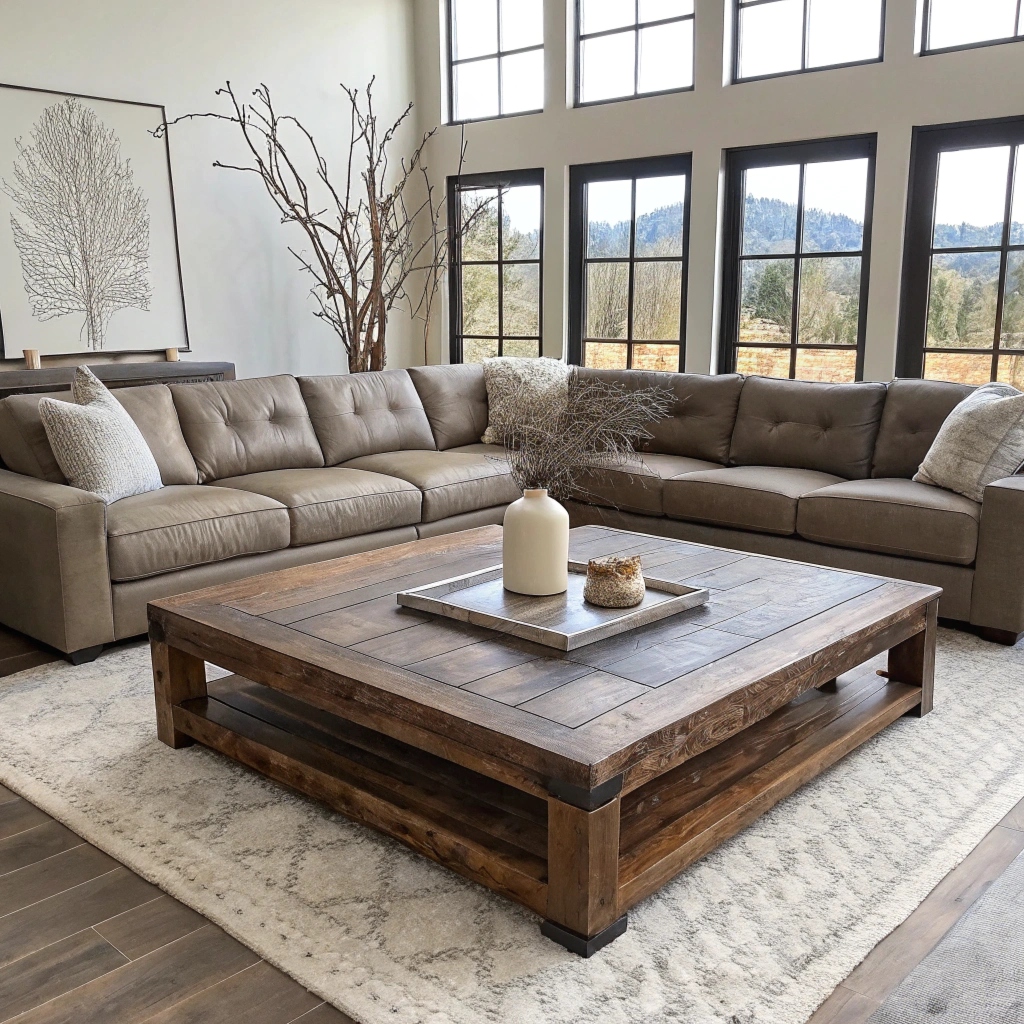
While rounds and ovals are popular for flow, the oversized square coffee table is the king of the large sectional sofa. A massive 48-inch square table provides a sense of symmetry and order that smaller pieces can’t achieve.
It’s a bold choice that demands a large footprint, making it the definitive “anchor” of a spacious, open-concept living area. A large square table allows for multiple “zones” of styling.
You can have a stack of books in one corner, a tray for remotes in another, and still have plenty of room for a vase of branches in the center.
In materials like reclaimed wood or leather-wrapped frames, these tables feel substantial and masculine, offering a sturdy foundation for a busy family room where everyone gathers at once.
10. Fluted Details and Ribbed Surfaces
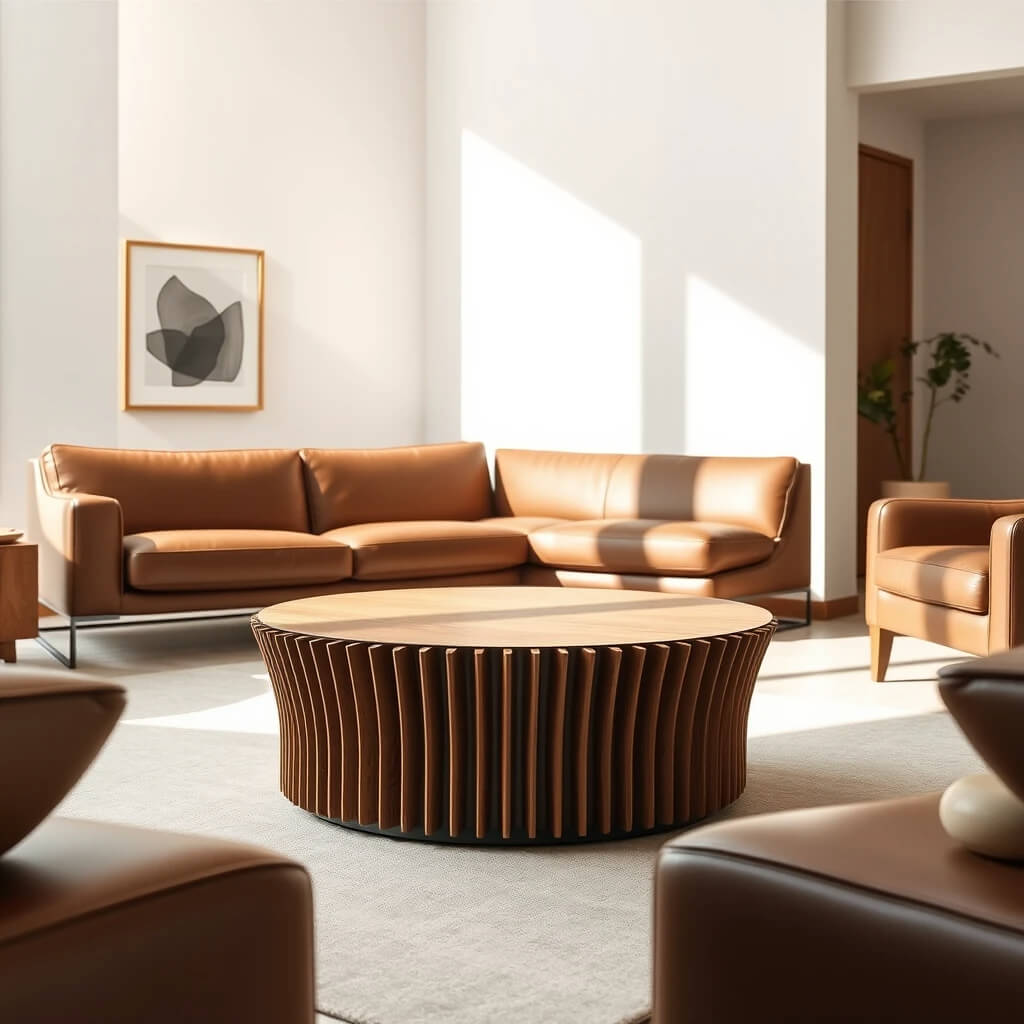
Texture is the new color in modern interior design. Coffee tables featuring fluted wood or ribbed metal bases add a rhythmic, architectural quality to the living room. This vertical detailing creates a play of light and shadow that changes throughout the day, making the piece feel alive.
It’s a subtle way to add “pattern” without using busy prints or bold colors. Usually, these fluted tables are circular, which allows the ribbed texture to wrap around the piece continuously.
In a room with many smooth surfaces – think leather sofas and flat-painted walls; the repetitive lines of a fluted base provide a much-needed sensory break. It’s a detail that invites you to reach out and touch the furniture, reinforcing the idea that a modern home should be a tactile experience.
11. Sustainable and Reclaimed Storytelling
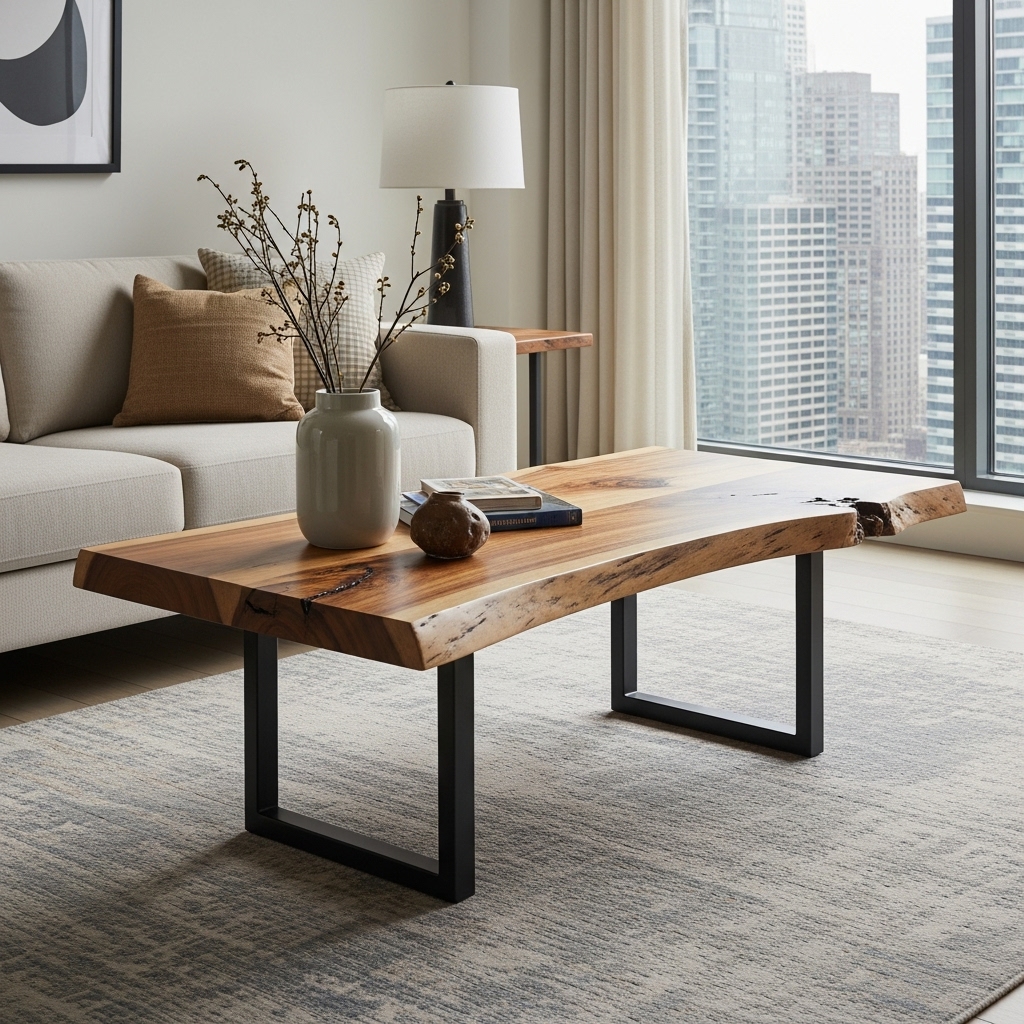
Modern luxury is increasingly being defined by sustainability. Coffee tables made from reclaimed beams, fallen trees, or recycled composites are trending because they carry an inherent narrative.
A “live edge” table that follows the natural curve of the tree trunk brings a piece of the forest into a high-rise apartment, grounding the technology-heavy lives we lead. These pieces aren’t just eco-friendly; they are unique.
No two grains or knots are exactly the same. When you choose a table made from salvaged elm or recycled plastic terrazzo, you are adding a layer of authenticity to your home. It’s about moving away from “fast furniture” and investing in a piece that feels like it has a past and will last far into the future.
12. Bold Color and Lacquered High-Gloss
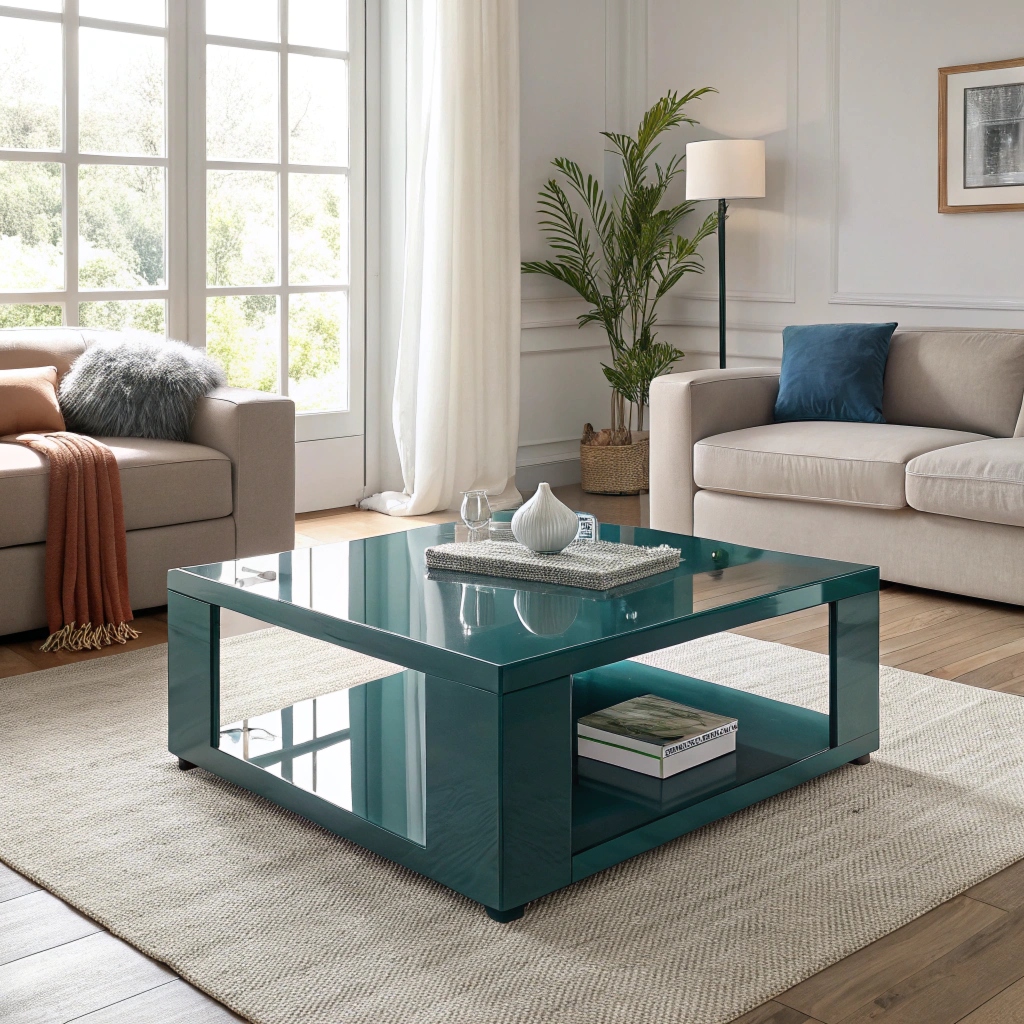
On the opposite end of the natural spectrum, we are seeing a rise in high-gloss, lacquered coffee tables in bold, unexpected colors like cobalt blue, deep burgundy, or forest green. This trend is for the homeowner who wants their coffee table to be the undisputed star of the show.
A glossy finish reflects the room’s lighting, adding a sense of energy and “pop” to the space. The key to making this work in a modern living room is to keep the shape simple. A minimalist cube or a basic Parsons-style table in a vibrant lacquer feels like a piece of Pop Art.
It’s an easy way to inject personality into a neutral apartment. When the sun hits a glossy red table, it glows, casting a warm hue onto the surrounding furniture and instantly lifting the mood of the entire room.
13. Multi-Functional Storage Hidden in Plain Sight
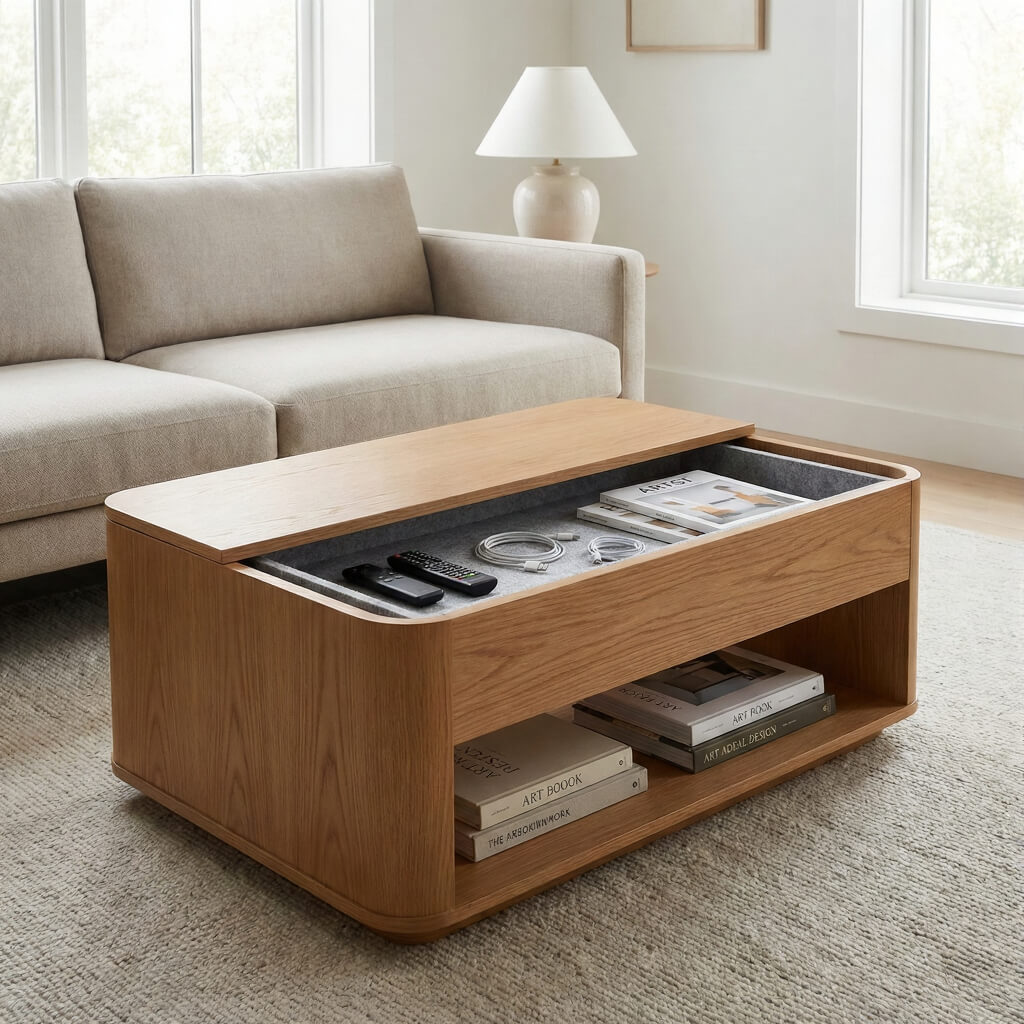
As modern homes become more compact, the demand for furniture that “works harder” has never been higher. However, the new generation of storage coffee tables doesn’t look like a trunk or a toy box.
Instead, we see sleek designs where the top slides open to reveal felt-lined compartments, or where the base includes discreet, integrated shelving for art books. This style is about maintaining a clutter-free environment.
You can hide the remote controls, chargers, and magazines inside a beautiful oak cylinder that looks like a solid sculpture. It’s the ultimate “stealth” design – providing all the utility of a storage unit with none of the visual heaviness.
For those who value a clean, minimalist aesthetic but live a busy, high-tech life, these pieces are a game-changer.
14. The Elegance of Slim Iron and Wireframes
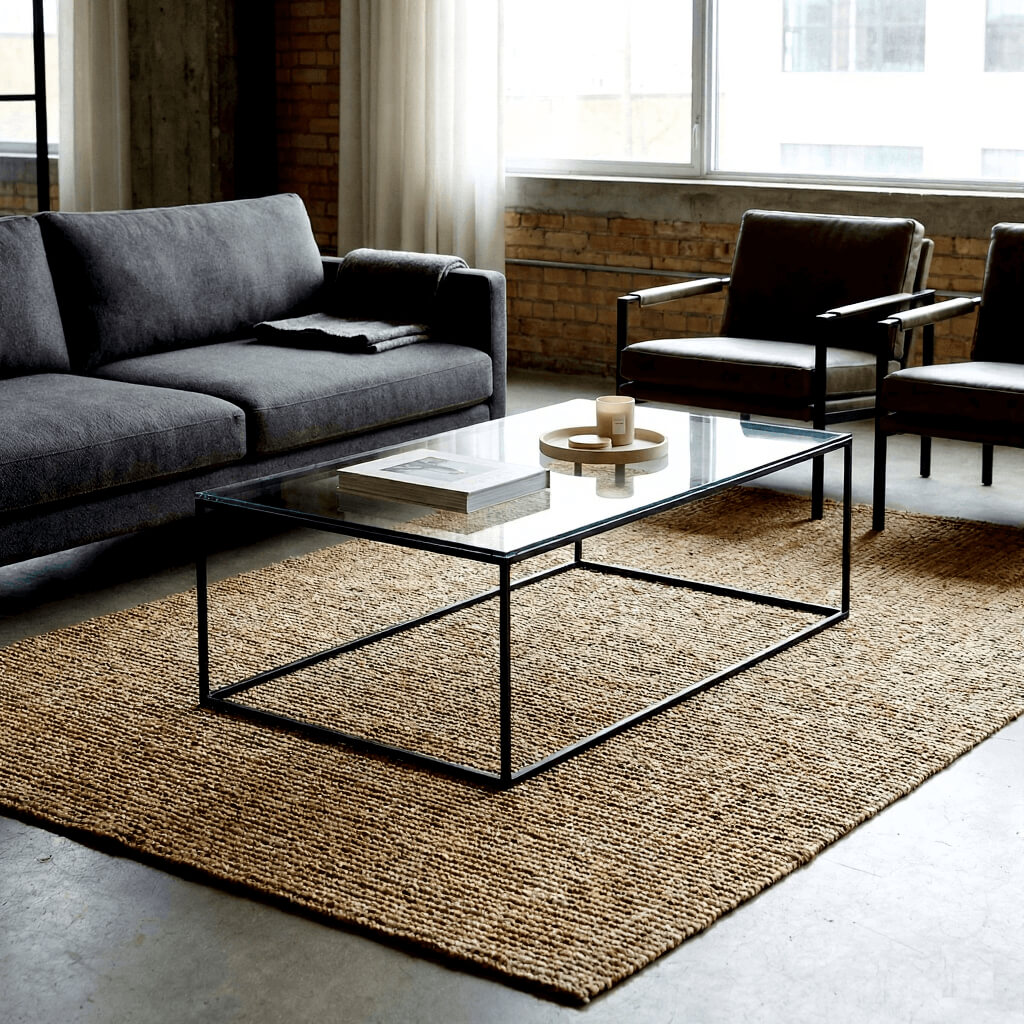
For a look that is truly timeless and architectural, slim metal frames remain a staple of modern design. These tables often feature very thin black iron or brass legs supporting a glass or thin stone top. The “wireframe” look is all about transparency and negative space.
It’s the perfect choice for showing off a beautiful rug or making a cramped seating area feel significantly more open. There is a certain “pencil-sketch” quality to these tables. They don’t block the view of the sofa or the floor, acting more like a delicate frame for the objects placed on top.
In an industrial-modern setting, a matte black iron frame looks sharp and disciplined. It’s a refined, understated approach to furniture that relies on perfect proportions rather than bulk to make an impact.
15. Pedestal Bases and Circular Flow
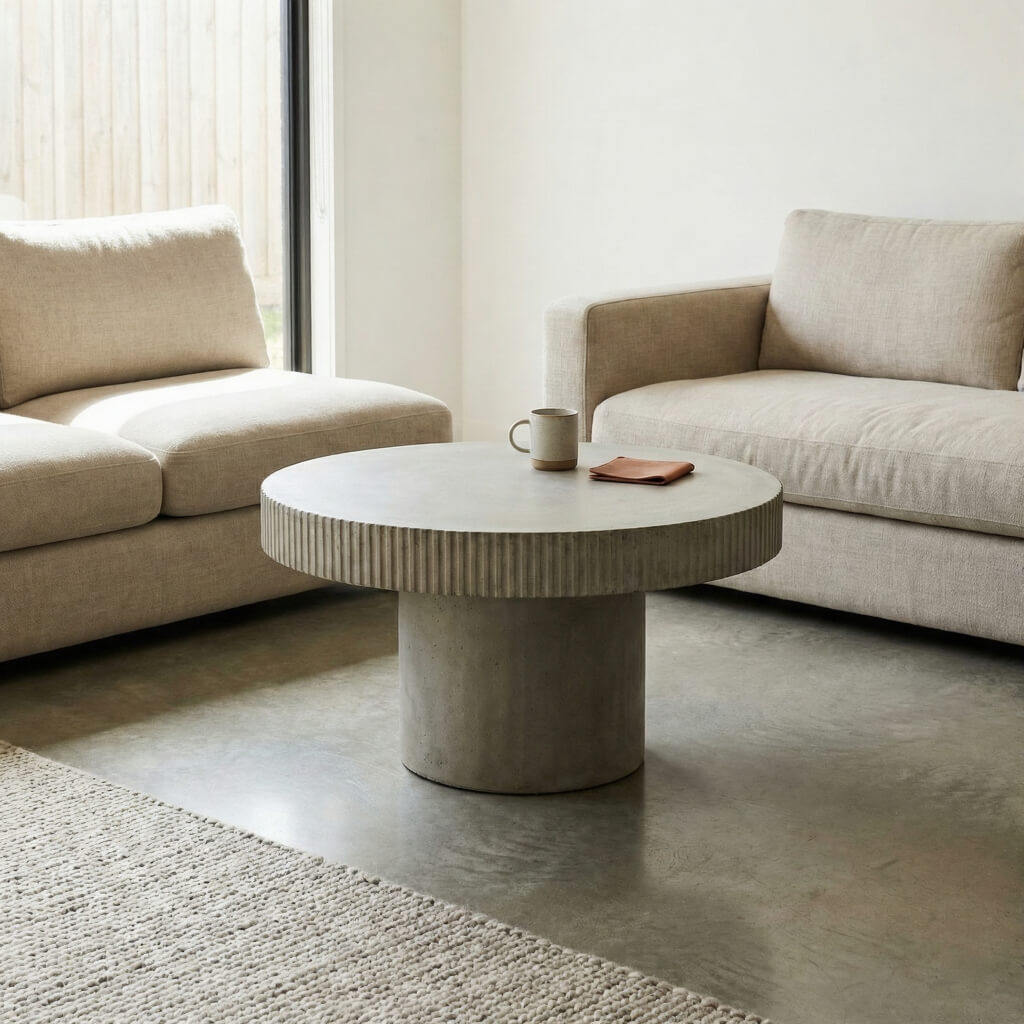
The pedestal coffee table – a single central leg supporting a round top, is a masterclass in functional flow. Because there are no legs at the corners, it’s much easier to navigate around the table in tight quarters.
This style, popularized by mid-century icons, has been updated with heavier materials like ribbed concrete or thick-cut timber for a more contemporary feel. A pedestal base creates a sense of “lift,” making the tabletop feel like it’s hovering.
This is particularly effective in rooms with heavy, skirted upholstery, as it breaks up the visual density near the floor.
Whether it’s a small tulip-style table for a cozy nook or a massive concrete disc for a grand living room, the pedestal design remains one of the most practical and aesthetically pleasing ways to center a seating arrangement.
Frequently Asked Questions
Q1. What is the most durable material for a modern coffee table?
For high-traffic homes, natural stone (like granite or quartzite) and solid hardwoods (like oak or walnut) are the most resilient. Stone is heat-resistant but can be porous, while solid wood can be refinished over time if it sustains scratches. If you have children, a high-quality wood table with rounded edges often provides the best balance of safety and longevity.
Q2. How do I choose the right size coffee table for my sofa?
A good rule of thumb is that your coffee table should be about two-thirds the length of your sofa. For height, it should be within 1–2 inches of your sofa’s seat cushions. You also want to leave about 14 to 18 inches of space between the table and the sofa to allow for comfortable legroom and easy movement.
Q3. Are round or rectangular coffee tables better for small rooms?
Round or oval coffee tables are generally better for small spaces. They lack sharp corners, which makes the room easier to navigate and creates a softer visual flow. Additionally, the lack of edges allows you to squeeze in an extra floor cushion or ottoman if you have guests, without the furniture feeling like an obstacle.
Q4. Can I mix different wood tones between my coffee table and floor?
Absolutely. Mixing wood tones adds depth and character to a room. The key is to look for a common “undertone”—for example, pairing a cool-toned grey floor with a dark espresso table. If your floors are very light, a darker wood table can provide a beautiful contrast that anchors the seating area and prevents the room from looking too monochromatic.
Conclusion
Selecting a coffee table is ultimately an exercise in defining how you want to live in your space. Whether you lean toward the cold, architectural beauty of a stone plinth or the warm, irregular charm of an organic wooden shape, the right choice is the one that balances your aesthetic goals with your daily habits.
By focusing on materials that resonate with you and shapes that complement your room’s flow, you can turn a simple piece of furniture into a lasting design statement.